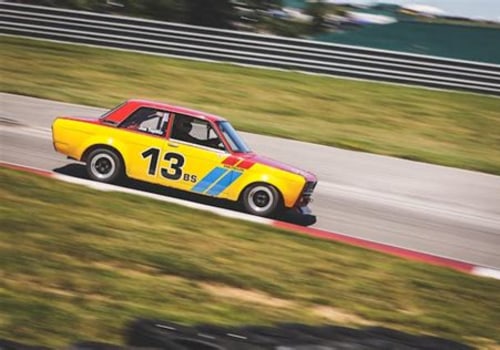
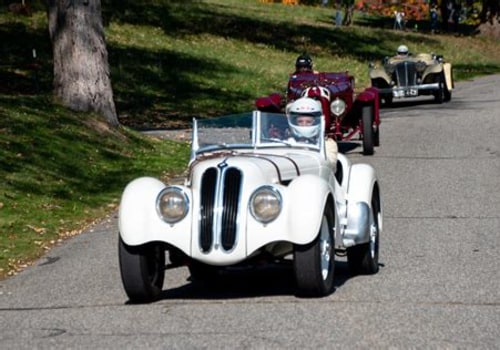
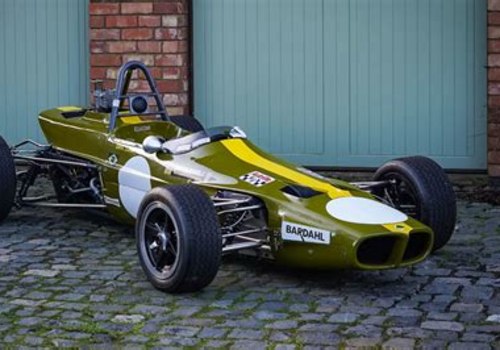
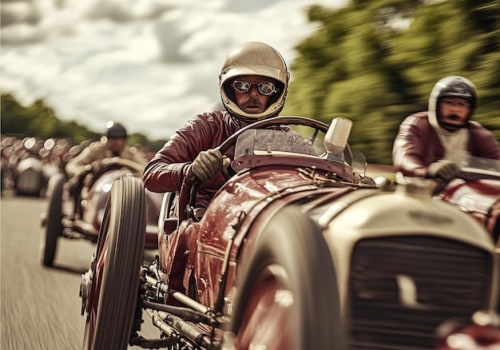
Vintage racing events bring together classic automobiles, passionate collectors, and motorsport enthusiasts who appreciate historic vehicle engineering and competitive traditions. Racing teams frequently travel between circuits, exhibitions, and motorsport venues, transporting valuable vehicles and specialized equipment. Unlike modern race cars, vintage automobiles often contain aging mechanical components and rare replacement parts that require careful handling. Transportation challenges can create unexpected delays and potentially damage irreplaceable vehicles. Reliable roadside assistance plays an important role in helping racing teams manage emergencies, maintain transportation schedules, and protect valuable automotive investments throughout their journeys.
Addressing Mechanical Challenges During Transportation
Vintage racing vehicles require specialized maintenance because their engines, transmissions, cooling systems, and electrical components may differ significantly from modern automotive designs. Even carefully restored vehicles can experience mechanical difficulties during transportation or preparation for competitions.
Transport trucks and trailers carrying classic race cars may also encounter tire failures, battery problems, overheating, or other unexpected breakdowns.
Professional roadside technicians can assess common transportation problems and determine whether immediate repairs are possible. Prompt assistance helps prevent minor mechanical issues from causing lengthy delays or additional damage.
Providing Specialized Towing and Vehicle Recovery
Transporting vintage race cars requires particular attention because these vehicles may feature delicate bodywork, limited ground clearance, and historically significant components. Improper towing methods can damage suspension systems, exhaust components, or valuable exterior finishes.
Dependable assistance providers such as Road Angel Towing and Roadside Service can be useful contacts when unexpected roadside emergencies interrupt motorsport transportation. Racing teams should verify that their chosen providers have appropriate equipment and experience handling specialized vehicles.
Enclosed trailers, flatbed recovery vehicles, and suitable loading equipment can help protect classic automobiles during transportation emergencies.
Minimizing Delays Between Motorsport Venues
Vintage racing teams often participate in multiple events throughout a racing season. These competitions involve scheduled vehicle inspections, practice sessions, qualifying rounds, and exhibitions.
Unexpected transportation breakdowns can interfere with event preparations and create additional expenses for accommodation, equipment rentals, and replacement transportation.
Reliable roadside assistance helps teams respond efficiently to mechanical emergencies while maintaining communication with event organizers.
Establishing alternative transportation arrangements can further reduce disruptions when significant repairs become necessary.
Protecting Valuable Vehicles and Racing Equipment
Historic racing automobiles frequently represent substantial financial and sentimental investments. Many feature rare components that are expensive or difficult to replace.
Proper cargo securement, trailer inspections, and careful handling are essential for protecting these vehicles during long-distance journeys.
Professional recovery support can also reduce risks when transport vehicles become disabled in unfamiliar locations.
Strengthening Preventive Maintenance and Emergency Preparedness
Preventive maintenance remains essential for dependable motorsport transportation. Teams should inspect transport vehicles, trailer connections, tires, braking systems, and electrical components before departure.
Maintaining emergency contacts, spare equipment, and contingency plans improves preparedness for unexpected situations.
Supporting Successful Vintage Racing Experiences
Reliable roadside assistance complements careful transportation planning by helping vintage racing teams manage unexpected mechanical challenges.
Combining preventive maintenance, appropriate recovery equipment, and dependable emergency support protects historic automobiles while reducing transportation disruptions.
Ultimately, effective roadside preparedness allows racing teams to concentrate on preserving automotive heritage, participating in competitions, and enjoying memorable motorsport experiences.