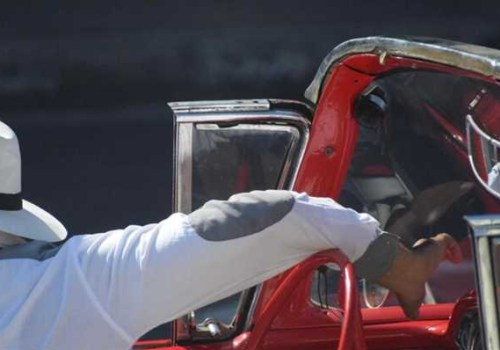
Vintage car racing is not just a sport; it’s a celebration of automotive history, craftsmanship, and the thrill of competition. Enthusiasts from all walks of life are drawn to the allure of these classic machines, each with its own story and character. The roar of a well-tuned engine, the gleam of polished chrome, and the nostalgia of bygone eras create an atmosphere that is both exhilarating and unique. However, while the charm of vintage racing captivates many, it also presents a series of challenges that drivers must navigate. One of the primary challenges in vintage car racing is the inherent unpredictability of older vehicles.
Unlike modern cars equipped with advanced technology and safety features, vintage cars often lack the reliability and performance consistency that drivers expect. Mechanical failures can occur unexpectedly, leading to potential hazards on the track. Additionally, the limited availability of replacement parts for these classic models can complicate maintenance and repairs, making it crucial for drivers to have a deep understanding of their vehicle's mechanics. Moreover, challenges in vintage car racing extend beyond mechanical issues. Drivers must also contend with varying track conditions and the diverse skill levels of their competitors.
Each race presents a unique set of circumstances that can affect performance, from weather changes to track surface variations. This unpredictability requires not only skill but also adaptability and strategic thinking. As drivers push their vintage machines to the limit, they must balance speed with caution, ensuring they respect both their vehicle's capabilities and the safety of themselves and others on the track.
Mechanical Challenges in Vintage Car Racing
Vintage car racing presents a unique set of mechanical challenges that can significantly impact a driver’s performance on the track. The age of these vehicles often means that they are equipped with outdated technology and components, which can lead to various mechanical issues.One of the primary concerns for drivers is the availability of replacement parts.Many vintage cars were produced in limited quantities, and as a result, finding specific components can be a daunting task. This scarcity not only drives up costs but also complicates the maintenance process. Drivers must often rely on specialized suppliers or even custom fabrication to source the necessary parts.
Maintenance Requirements
Regular vintage car maintenance is crucial for ensuring optimal performance during races. Unlike modern racing vehicles, vintage cars require more frequent checks and repairs due to their older mechanical systems.Drivers must be well-versed in the intricacies of their vehicles, understanding how to perform routine tasks such as:
- Oil changes: Essential for keeping the engine running smoothly.
- Tire inspections: Vintage tires may not have the same durability as modern options.
- Brake system checks: Ensuring that brakes are responsive is critical for safety.
Safety Concerns in Vintage Car Racing
When it comes to vintage car racing, safety is a paramount concern that cannot be overlooked. Unlike modern racing vehicles, many vintage cars were designed without the advanced safety features that are standard today.This discrepancy poses significant challenges for drivers who are passionate about participating in these nostalgic events.
Outdated Safety Features
- Many vintage cars lack essential safety components such as roll cages, which protect drivers during rollovers.
- Seat belts in older models may not meet current safety standards, increasing the risk of injury in the event of an accident.
- Braking systems in vintage cars often do not provide the same level of performance as modern systems, making it harder to stop quickly in emergencies.
- Helmet: A high-quality helmet designed for racing can significantly reduce the risk of head injuries.
- Fire-resistant suits: These suits protect drivers from fire hazards, which are more prevalent in older vehicles due to outdated fuel systems.
- HANS devices: Head and Neck Support (HANS) devices help prevent head and neck injuries during collisions.
- The unpredictability of older cars can lead to mechanical failures that compromise safety.
- Drivers must also contend with varying track conditions that may not have been designed with vintage racing in mind.
- The emotional attachment to these classic cars can sometimes cloud judgment, leading drivers to take unnecessary risks.
Regulatory and Compliance Issues
In the world of vintage car racing, drivers face a myriad of regulatory and compliance issues that can significantly impact their racing experience. Understanding these regulations is crucial for ensuring not only a fair competition but also the safety of all participants.One of the primary challenges is adhering to the specific vintage racing rules set forth by various racing organizations.These rules often dictate everything from vehicle specifications to safety equipment requirements. For instance, organizations like the Historic Sports Car Club (HSCC) and the Vintage Sports Car Club (VSCC) have distinct guidelines that must be followed, which can vary widely depending on the type of event and the age of the vehicle.
- Vehicle Specifications: Each organization has its own set of criteria regarding what constitutes a vintage car. This includes age limits, modifications allowed, and authenticity standards.
- Safety Regulations: Compliance with safety regulations is non-negotiable. Drivers must ensure their vehicles are equipped with modern safety features while still maintaining vintage aesthetics.
- Environmental Compliance: Many regions have strict emissions regulations that vintage cars must meet, which can require additional modifications or even limit participation in certain events.
Depending on where a race is held, drivers may need to navigate different state or municipal regulations regarding vehicle registration, insurance, and noise ordinances. This can lead to confusion and potential penalties if not properly addressed.To successfully navigate these challenges, drivers should:
- Stay Informed: Regularly check for updates on regulations from both local authorities and racing organizations.
- Engage with Fellow Racers: Networking with other vintage racers can provide insights into compliance best practices and shared experiences.
- Consult Experts: When in doubt, seeking advice from professionals who specialize in vintage racing can help clarify complex regulations.
Skill and Experience Requirements for Drivers
Participating in vintage car racing requires a unique set of skills and a wealth of experience that goes beyond what is typically needed in modern motorsport. Drivers must not only be adept at handling classic vehicles but also possess a deep understanding of their mechanics and idiosyncrasies.Essential Skills for Vintage Racing
- Technical Knowledge: A solid grasp of vintage car mechanics is crucial. Drivers should be familiar with the specific characteristics of their vehicle, including its braking system, steering response, and engine behavior.
- Precision Driving: Vintage cars often lack the advanced technology found in contemporary vehicles, making precision driving essential.
Drivers must master the art of throttle control and braking to navigate tight corners and maintain speed.
- Adaptability: Each vintage car has its own quirks. Drivers need to adapt their driving style to suit the unique handling and performance traits of their specific model.
- Racecraft: Understanding race strategy, including when to overtake or defend a position, is vital. This skill often comes from experience on the track.
The Importance of Experience
Experience plays a pivotal role in vintage car racing. New drivers may find themselves overwhelmed by the challenges posed by older vehicles, which can behave unpredictably compared to modern cars.Gaining experience through practice sessions and participating in lower-stakes events can help build confidence and skill.
Training for Vintage Car Racing
Formal training programs specifically designed for vintage racing can provide invaluable insights into handling these classic machines. Many organizations offer workshops that cover:- Driving Techniques: Learning how to effectively manage a vintage car's unique handling characteristics.
- Mechanical Understanding: Gaining knowledge about the maintenance and repair of vintage vehicles to ensure they perform optimally during races.
- Safety Protocols: Understanding the safety measures necessary when racing older cars, which may not have modern safety features.
Financial Challenges of Vintage Car Racing
Participating in vintage car racing can be an exhilarating experience, but it also comes with a host of financial challenges that potential racers must navigate. Understanding these costs is crucial for anyone looking to enter this thrilling world.One of the primary expenses is the initial purchase price of a vintage car.Depending on the model and condition, prices can range from a few thousand dollars to well over six figures. This initial investment is just the beginning, as maintaining these classic vehicles can be equally costly.
Maintenance and Upkeep
Vintage cars often require specialized parts and skilled labor for repairs, which can lead to significant ongoing expenses. Regular maintenance, including oil changes, tire replacements, and brake servicing, is essential to keep these cars in racing condition. Additionally, sourcing authentic parts can be challenging and expensive, especially for rare models.Competition Costs
Once a driver has secured a vintage car, they must also consider the costs associated with competing in races.These can include:
- Entry Fees: Many racing events charge entry fees that can vary widely based on the prestige of the event.
- Transport Costs: Getting the car to and from race locations often requires a trailer or specialized transport services.
- Insurance: Vintage cars typically require specialized insurance coverage that can be more expensive than standard auto insurance.
Community and Support Networks in Vintage Car Racing
In the world of vintage car racing, the significance of community and support networks cannot be overstated. These connections provide invaluable resources, emotional support, and a sense of belonging that can help drivers navigate the unique challenges they face.Vintage car racing communities
often consist of passionate individuals who share a common love for classic automobiles.These communities can be found both online and offline, offering platforms for racers to exchange knowledge, tips, and experiences. Engaging with fellow enthusiasts allows drivers to learn from one another, whether it’s about car maintenance, racing techniques, or event preparation.Support networks play a crucial role in helping racers overcome obstacles. Here are some key aspects of these networks:
- Technical Assistance: Many clubs and organizations offer workshops and technical sessions where members can gain hands-on experience and advice on car restoration and performance enhancements.
- Moral Support: Racing can be stressful, especially when faced with mechanical failures or disappointing results. Having a supportive community helps drivers stay motivated and focused on their goals.
- Networking Opportunities: Clubs often organize events that allow racers to meet sponsors, industry professionals, and other enthusiasts, which can lead to valuable partnerships and opportunities.
These clubs often host events such as track days, social gatherings, and competitions that strengthen bonds among members. Additionally, they provide a platform for sharing resources like tools, parts, and even transportation for cars to events.In conclusion, the vintage car racing community is an essential element that helps drivers tackle the various challenges they encounter. By leveraging support networks and engaging with fellow racers, drivers can enhance their skills, find solutions to problems, and enjoy a richer racing experience.
Conclusion: Embracing the Challenges of Vintage Car Racing
In conclusion, vintage car racing presents a unique set of challenges that can test the mettle of even the most seasoned drivers. From the intricacies of handling classic vehicles to the unpredictability of race conditions, each challenge contributes to the rich tapestry of this exhilarating sport. One of the most significant hurdles is the maintenance and reliability of vintage cars.Unlike modern vehicles, these classics often require meticulous care and attention to detail. Drivers must be well-versed in their car's mechanics, understanding how to troubleshoot issues that may arise during a race. Additionally, competition in vintage car racing can be fierce. Drivers not only face off against each other but also contend with the limitations of their vehicles compared to contemporary racing technology. This aspect demands a deep understanding of racing strategies and an ability to adapt quickly on the track. Moreover, weather conditions can significantly impact performance.
Vintage cars may not handle as well in adverse weather compared to modern counterparts, requiring drivers to adjust their techniques and strategies accordingly. Despite these challenges, many drivers find that overcoming them is part of what makes vintage car racing so rewarding. The camaraderie among enthusiasts, the thrill of competition, and the joy of driving a piece of automotive history create an unparalleled experience. Ultimately, embracing these challenges not only enhances a driver’s skills but also deepens their appreciation for the sport. As they navigate through obstacles, they forge lasting memories and connections within the vibrant community of vintage car racing.