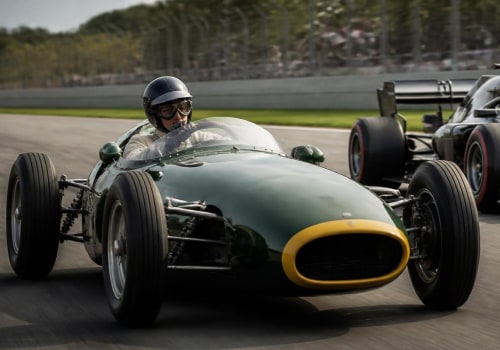
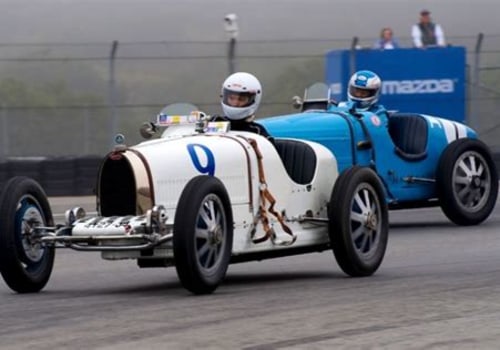
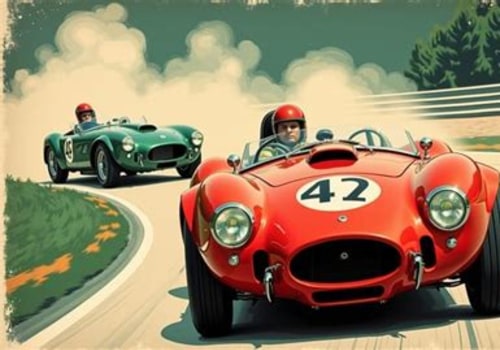
The roots of vintage car racing can be traced back to the early 20th century, a time when the automobile was still a novel invention capturing the imagination of enthusiasts and the general public alike. As cars became more accessible, a burgeoning interest in speed and competition emerged, leading to the first organized races. These early events were often informal gatherings where car owners would showcase their vehicles, but they quickly evolved into more structured competitions that attracted larger audiences. One of the pivotal moments in the history of vintage racing occurred in 1906 with the inaugural French Grand Prix, which set a precedent for future racing events. This race not only highlighted the capabilities of early automobiles but also ignited a passion for motorsport that would resonate through generations.
By the 1920s and 1930s, vintage car racing began to take shape as a distinct category, with dedicated events such as the Mille Miglia in Italy and the Goodwood Revival in England celebrating classic cars and their storied pasts. The post-World War II era marked a significant turning point for vintage car racing. As soldiers returned home, many brought with them a newfound appreciation for automobiles, leading to an increase in car clubs and organized racing events. The nostalgia for pre-war vehicles fueled interest in preserving these machines, and enthusiasts began to restore and race vintage cars, creating a vibrant community centered around shared passion. This period laid the groundwork for what we now recognize as modern vintage car racing, where history, craftsmanship, and competition converge.
The Rise in Popularity During the 20th Century
The popularity of vintage car racing saw a significant rise during the 20th century, driven by a combination of nostalgia, technological advancements, and the growing interest in automotive history.As the automobile industry evolved, so did the appreciation for classic cars, leading to a resurgence in vintage racing events.In the early decades of the century, events like the Indianapolis 500 and the Le Mans 24 Hours showcased not only speed but also the engineering marvels of their time. These races laid the groundwork for what would become a thriving community of vintage racing enthusiasts. The post-World War II era marked a turning point; as soldiers returned home, many sought out hobbies that connected them to their past, and vintage cars became a symbol of freedom and adventure.
Notable Figures and Events
Key figures such as Enzo Ferrari and Carroll Shelby played pivotal roles in popularizing vintage car racing. Their contributions to automotive design and performance inspired countless enthusiasts to restore and race classic models.Events like the Mille Miglia, which began in 1927, became iconic, attracting participants from around the globe who were eager to showcase their vintage vehicles.
The Growth of Vintage Racing
The 1970s and 1980s saw an explosion in vintage racing events, with organizations like the Historic Sports Car Club (HSCC) and the Vintage Sports Car Club (VSCC) emerging to cater to this growing interest. These clubs not only organized races but also fostered a sense of community among collectors and racers alike. The introduction of regulations that allowed for safe participation in vintage races further fueled this growth.By the end of the century, vintage car racing had established itself as a beloved pastime, with events drawing large crowds and media attention. This historical perspective is crucial for understanding how vintage car racing has evolved into a vibrant segment of motorsport today, continuing to attract new generations of enthusiasts who appreciate both the thrill of competition and the rich heritage of automotive history.Key Factors Influencing Popularity Changes
The evolution of vintage car racing has been significantly influenced by a variety of factors that reflect broader cultural, economic, and technological trends.Understanding these influences provides insight into the sport's changing popularity over the years.Cultural Shifts: As society has evolved, so too have the interests and values of car enthusiasts. The rise of nostalgia in popular culture has played a crucial role in rekindling interest in vintage car racing. Events that celebrate classic cars often attract not only seasoned fans but also younger generations who are drawn to the aesthetic and history of these vehicles. This cultural appreciation has been bolstered by media portrayals in films and television, which romanticize the golden age of motorsport.Economic Conditions: The financial landscape also impacts the popularity of vintage car racing.
During economic booms, disposable income increases, allowing more individuals to invest in classic cars and participate in racing events. Conversely, during economic downturns, participation may decline as enthusiasts prioritize essential expenditures over hobbies. However, the rise of online marketplaces has made it easier for enthusiasts to buy and sell vintage cars, keeping interest alive even during tougher economic times.Technological Advancements: The integration of technology into vintage car racing has also transformed the sport. Modern safety features and performance enhancements allow for a more thrilling experience while preserving the charm of classic vehicles.
Additionally, advancements in digital marketing have enabled race organizers to reach wider audiences, promoting events through social media and online platforms. This increased visibility has attracted new fans and participants to the world of vintage car racing.In summary, the popularity of vintage car racing is shaped by a complex interplay of cultural trends, economic factors, and technological innovations. As these elements continue to evolve, they will undoubtedly influence the future trajectory of this beloved motorsport.
The Role of Media and Technology in Vintage Car Racing
The evolution of vintage car racing has been significantly influenced by advancements in media and technology. In the past, coverage of vintage races was limited to local newspapers and word of mouth, which restricted the sport's reach and appeal.However, with the rise of digital media, vintage car racing has gained unprecedented visibility.
Media Impact on Vintage Car Racing
- Television broadcasts have brought vintage races into living rooms across the country, showcasing the beauty and excitement of classic cars.
- Online streaming platforms allow enthusiasts from around the globe to watch races live, fostering a larger community of fans.
- Documentaries and feature films about vintage cars have sparked interest among new audiences, highlighting the rich history and craftsmanship behind these vehicles.
Technology in Vintage Racing
- Technological advancements have improved safety measures in vintage racing, making it more appealing to participants and spectators alike.
- Innovations in car restoration techniques have allowed for better preservation of classic vehicles, ensuring they remain competitive on the track.
- The use of drones and high-definition cameras provides stunning aerial views and detailed coverage of races, enhancing the viewing experience.
Current Trends in Vintage Car Racing
The landscape of vintage car racing has evolved significantly in recent years, reflecting a growing interest among enthusiasts and newcomers alike.This resurgence can be attributed to several key trends that are shaping the current state of the sport.
Modern Vintage Racing Events
- One of the most notable trends is the rise of organized events that cater specifically to vintage cars. Events like the Goodwood Revival in the UK and the Monterey Motorsports Reunion in California have become iconic, attracting thousands of spectators and participants each year.
- These events not only celebrate the history of racing but also provide a platform for owners to showcase their meticulously restored vehicles, fostering a sense of community among vintage car aficionados.
Demographics of Participants
- The demographics of participants in vintage car racing have also shifted. While older generations have traditionally dominated this space, there is a noticeable influx of younger racers who are eager to engage with classic automobiles. This shift is crucial for the sustainability of the sport.
- Many younger participants are drawn to the nostalgia and craftsmanship associated with vintage cars, often sharing their experiences on social media platforms, which further amplifies interest in these events.
The Popularity of Vintage Cars Today
The popularity of vintage cars has surged, with many collectors viewing them as both a passion and an investment.
The increasing value of classic models has led to a more competitive atmosphere in racing events, as owners strive to maintain and enhance their vehicles' performance while preserving their historical integrity.In conclusion, the current trends in vintage car racing highlight a vibrant community that is adapting to modern influences while honoring its rich heritage. As more enthusiasts join the ranks, the future of vintage car racing looks promising, ensuring that this thrilling sport continues to captivate audiences for years to come.
The Future of Vintage Car Racing
The future of vintage car racing is poised for transformation as it adapts to the changing landscape of automotive culture and environmental consciousness. As younger generations become more involved in motorsports, their preferences and values will significantly influence the direction of vintage racing.One of the most pressing factors shaping the future of vintage car racing is the growing emphasis on sustainability. With climate change becoming an increasingly urgent issue, event organizers are exploring ways to reduce the carbon footprint of racing events.This could involve:
- Incorporating electric or hybrid vehicles into vintage racing categories.
- Utilizing biofuels or alternative energy sources for traditional combustion engines.
- Implementing stricter regulations on emissions for participating vehicles.
Workshops, exhibitions, and interactive experiences could be integrated into race weekends, allowing attendees to learn about the history and mechanics of vintage cars.Ultimately, the future of vintage car racing will likely be a blend of tradition and innovation. By embracing sustainability and engaging younger audiences through technology and education, vintage car racing can continue to thrive in an ever-evolving automotive landscape.
Frequently Asked Questions About Vintage Car Racing
As the world of vintage car racing continues to grow, many enthusiasts and newcomers alike have questions about this thrilling sport. Below are some frequently asked questions that can help clarify common misconceptions and provide valuable insights.What defines a vintage car in racing?
A vintage car is typically defined as a vehicle that is at least 20 to 30 years old, depending on the specific racing organization. These cars often represent a significant era in automotive history, showcasing unique designs and engineering that differ greatly from modern vehicles.Is vintage car racing safe?
While vintage car racing does come with inherent risks, many organizations prioritize safety by enforcing strict regulations.Drivers are required to wear safety gear, and cars must meet specific safety standards. Additionally, events often take place on closed tracks, minimizing the risk of accidents.
Can anyone participate in vintage car racing?
Participation in vintage car racing typically requires a valid racing license and membership in a recognized organization. Drivers must also ensure their vehicles meet the necessary specifications for the event they wish to enter. However, many clubs offer novice programs to help newcomers get started.What are some common misconceptions about vintage cars?
- Myth: Vintage cars are unreliable.
- Fact: While older cars may require more maintenance, many vintage vehicles are well-engineered and can be quite reliable when properly cared for.
- Myth: Vintage car racing is only for wealthy individuals.
- Fact: While some vintage cars can be expensive, there are many affordable options available for those interested in entering the sport.
Whether you're a seasoned racer or just starting out, understanding the nuances of this sport can enhance your experience and appreciation for these classic machines.
Conclusion: The Enduring Allure of Vintage Car Racing
As we reflect on the evolution of vintage car racing, it becomes clear that its popularity has not only endured but has also transformed in remarkable ways. From its humble beginnings as a niche hobby for enthusiasts to a celebrated global phenomenon, vintage car racing has captured the hearts of many.The resurgence of interest in classic automobiles, coupled with the rise of social media and online communities, has played a pivotal role in revitalizing this sport. Today, vintage car racing events attract not just seasoned racers but also a new generation of fans eager to experience the thrill of these timeless machines.Key Factors Contributing to Its Enduring Appeal
- Community and Camaraderie: The vintage car racing community is known for its welcoming atmosphere, where enthusiasts share their passion and knowledge, fostering lasting friendships.
- Preservation of History: Each race serves as a living museum, showcasing the engineering marvels of the past and allowing participants and spectators alike to appreciate automotive history.
- Adrenaline and Excitement: The thrill of racing classic cars on historic tracks offers an unparalleled experience that modern motorsports often cannot replicate.
As we look to the future, it is evident that this beloved pastime will continue to thrive, inspiring new generations to appreciate the beauty and excitement of racing classic automobiles.