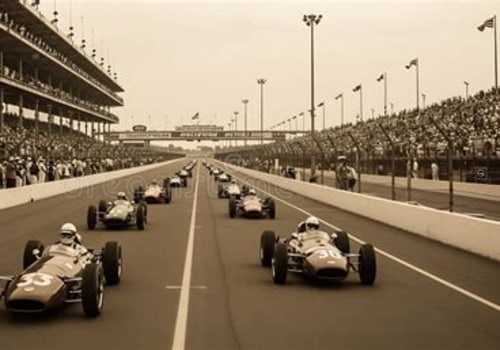
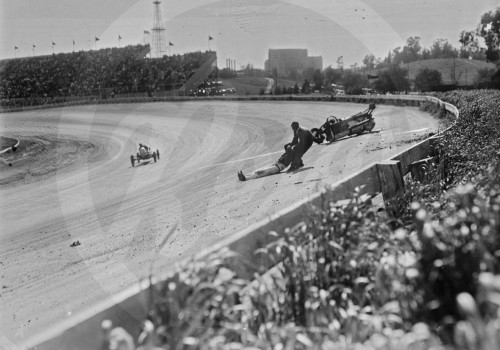
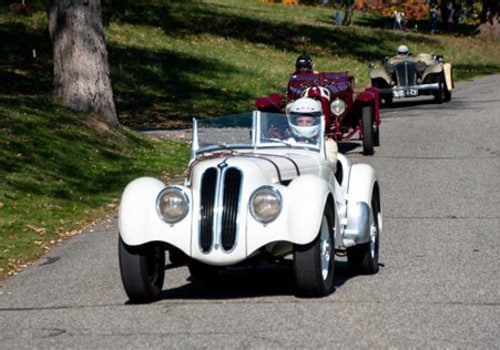
Vintage car racing is more than just a motorsport; it is a celebration of automotive history and engineering excellence. Enthusiasts and collectors alike are drawn to the charm and nostalgia of classic vehicles, which evoke memories of a bygone era. These races not only showcase the beauty and craftsmanship of vintage cars but also provide a thrilling experience for both participants and spectators. The roar of engines, the smell of gasoline, and the sight of beautifully restored cars racing on the track create an atmosphere that is hard to replicate. The history of vintage car racing dates back to the early 20th century when automobile manufacturers began to compete in speed trials and endurance races.
As these events gained popularity, they evolved into organized competitions that celebrated the engineering prowess of their time. Today, vintage car racing has become a global phenomenon, with events held in various countries, attracting participants who are passionate about preserving automotive heritage. One of the intriguing aspects of vintage car racing is the length of races, which can vary significantly depending on the event and the type of cars involved. Understanding these lengths not only adds to the excitement but also highlights the endurance required by both drivers and their machines. As we delve deeper into this topic, we will explore what defines a typical vintage car race length and how it impacts the overall racing experience.
What Defines a Vintage Car Race?
Vintage car racing is a thrilling motorsport that celebrates the beauty and engineering of classic automobiles.To understand what defines a vintage car race, it is essential to first grasp the classification of vintage cars themselves. Generally, vintage cars are defined as those manufactured between 1919 and 1930, while classic cars typically refer to vehicles produced from 1931 to 1979. This distinction is crucial as it sets the stage for the types of races these vehicles participate in.In the realm of vintage car racing, there are several types of events that cater to different classifications and styles of racing:
- Road Races: These races take place on closed public roads or racetracks, allowing drivers to showcase their skills and the performance of their vintage vehicles.
- Hill Climbs: In this type of race, participants drive up a steep incline, testing both the power of their cars and the skill of the driver.
- Endurance Races: These events challenge teams to maintain speed and reliability over long distances, often lasting several hours or even days.
- Concours d'Elegance: While not a race in the traditional sense, this event showcases vintage cars based on their aesthetics and historical significance, often culminating in awards for various categories.
Average Length of Vintage Car Races
When it comes to vintage car racing, the average length of a race can vary significantly based on several factors, including the type of event, the venue, and the specific regulations governing the race.Generally, vintage car races are designed to celebrate the history and engineering of classic automobiles, and as such, they often feature unique formats that differ from modern racing.
Typical Race Distances
- Most vintage car races cover distances ranging from 50 to 200 miles .
- Shorter events, such as sprints or heats, may be around 10 to 30 miles .
- Endurance races can extend up to 500 miles , often requiring teams to strategize on driver changes and pit stops.
- The duration of a vintage car race typically lasts between 30 minutes to 2 hours .
- For longer endurance races, participants may race for several hours, with some events lasting up to 24 hours .
Factors Influencing Race Length
When it comes to vintage car racing, the length of a race can vary significantly based on several key factors. Understanding these elements is crucial for both participants and spectators alike, as they directly influence the overall experience and strategy involved in the race.Track Conditions
The condition of the track plays a vital role in determining race length.A well-maintained track can facilitate faster lap times, potentially leading to shorter races. Conversely, if the track is uneven or has poor grip due to weather conditions, such as rain or extreme heat, it may require adjustments to the race format or even lead to delays. Organizers often assess track conditions before the event to ensure safety and optimal performance.
Weather
Weather conditions are another significant factor that can affect the duration of a vintage car race. Rain can lead to slippery surfaces, necessitating slower speeds and longer race times.Additionally, extreme temperatures can impact vehicle performance and driver endurance, prompting organizers to modify race lengths or formats accordingly. For instance, races held in hotter climates may be shortened to prevent overheating issues.
Race Formats
The specific format of the race also influences its length. Some vintage car races are designed as sprints, featuring shorter distances that emphasize speed and quick turns. Others may adopt endurance formats, where cars compete over longer distances or time periods, testing both vehicle durability and driver stamina.Understanding these formats helps participants prepare adequately for the challenges they will face.In summary, factors such as track conditions, weather, and race formats all play critical roles in determining the average length of a vintage car race. By considering these elements, enthusiasts can better appreciate the complexities involved in organizing and participating in these thrilling events.
Popular Vintage Car Racing Events and Their Lengths
Vintage car racing is not just a sport; it’s a celebration of automotive history and engineering excellence. Various events around the world showcase these classic machines, each with its own unique characteristics and race lengths. Here are some of the most popular vintage car racing events and their respective lengths:- Goodwood Revival : Held annually in West Sussex, England, this event features races that typically last between 20 to 30 minutes.
The Revival is renowned for its period-correct attire and classic cars from the 1940s to the 1960s.
- Monterey Historic Automobile Races : Taking place in California, this event spans over three days, with individual races lasting around 30 minutes. It attracts a wide array of vintage cars, from pre-war models to more modern classics.
- Le Mans Classic : This biennial event in France celebrates the legendary 24 Hours of Le Mans. While the classic race itself lasts 24 hours, the vintage races during the event are typically shorter, ranging from 30 to 45 minutes.
- Silverstone Classic : Known as the largest classic motor racing festival in the world, this event features races that usually last between 20 to 40 minutes. It showcases a diverse range of vintage cars across multiple categories.
- Historic Grand Prix Zandvoort : In the Netherlands, this event features races that last approximately 25 minutes.
It highlights cars that raced in Formula One and other prestigious series from the past.
Safety Regulations and Their Impact on Race Length
In the world of vintage car racing, safety regulations play a crucial role in determining not only the format of the races but also their overall length. As the sport has evolved, so too have the measures put in place to protect drivers, spectators, and support staff. These regulations are designed to minimize risks associated with high-speed racing, particularly in vehicles that may not have the modern safety features found in contemporary cars.One significant impact of safety regulations on race duration is the implementation of mandatory safety equipment.For instance, drivers are often required to wear helmets, fire-resistant suits, and harnesses. These requirements can lead to longer pre-race preparations and inspections, which can extend the overall time before a race begins.
Impact on Race Format
Additionally, many vintage car races now include specific protocols for track conditions and vehicle eligibility. Races may be divided into heats or qualifying rounds to ensure that only the safest and most competitive vehicles participate. This segmentation can lead to a longer event schedule, as multiple heats may be necessary to determine a winner.- Track Safety Inspections: Regular inspections ensure that tracks meet safety standards, which can affect how races are organized.
- Emergency Response Plans: Races must have comprehensive plans in place for emergencies, which can add time to race day logistics.
- Driver Briefings: Pre-race briefings on safety protocols can also extend the time before a race starts.
While this is undoubtedly beneficial for driver safety, it can also result in slower lap times and potentially longer race durations as drivers navigate with increased caution.In conclusion, while vintage car racing remains an exhilarating sport steeped in history, the emphasis on safety has undeniably influenced its structure and length. As regulations continue to evolve, they will likely shape not only how races are conducted but also how long they last, ensuring that both tradition and safety coexist on the racetrack.
FAQs About Vintage Car Racing Lengths
When it comes to vintage car racing, many enthusiasts and newcomers alike often have questions regarding the typical lengths of these races. Understanding the duration and distance can enhance the overall experience of both participants and spectators.What is the average length of a vintage car race?
The average length of a vintage car race can vary significantly based on the event and the specific regulations governing it. Generally, most vintage races range from 30 minutes to 2 hours.However, some endurance events may last even longer, sometimes exceeding 24 hours.
How are race lengths determined?
Race lengths are typically determined by several factors:- Type of Event: Different types of races, such as sprints, endurance races, or time trials, have varying lengths.
- Track Layout: The configuration and length of the track can influence how long a race will last.
- Vehicle Class: Different classes of vintage cars may have specific regulations that dictate race duration.
Are there any notable vintage car races with unique lengths?
Yes, several prestigious events stand out:- The Mille Miglia: This historic race covers approximately 1,000 miles, taking place over several days.
- The Goodwood Revival: Featuring various races, some events can last up to 1 hour, showcasing classic cars in a competitive setting.
Conclusion: The Essence of Vintage Car Racing Lengths
In conclusion, the average length of a vintage car race is influenced by a variety of factors, including the type of event, the specific regulations governing the race, and the historical context of the vehicles involved. Typically, these races can range from 50 to 200 miles, with some events designed to test endurance and others focusing on speed and skill over shorter distances.Several key points emerge from our exploration:- Race Type: Different types of vintage car races, such as sprints, endurance races, and classic rallies, have distinct lengths that cater to their unique formats.
- Vehicle Specifications: The design and capabilities of vintage cars also play a crucial role in determining race lengths. Cars built for speed may participate in shorter races, while those designed for endurance can handle longer distances.
- Historical Significance: Many vintage races are held on historic tracks or routes that add to the overall experience, often influencing the length based on tradition.
As enthusiasts continue to celebrate these classic vehicles, the diversity in race lengths ensures that there is something for everyone in the world of vintage car racing.