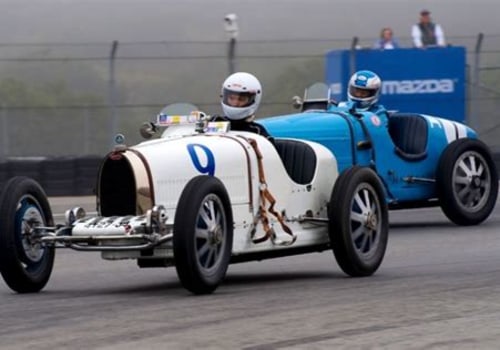
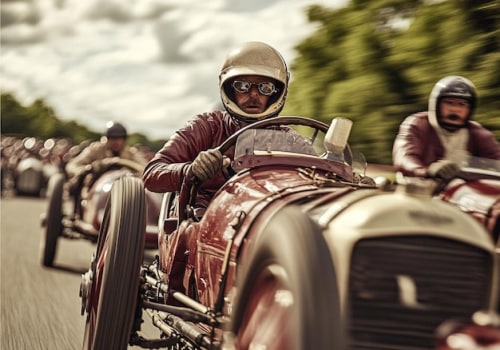
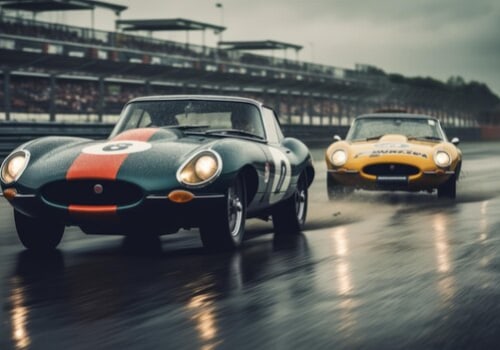
The history of vintage car racing is a fascinating journey that traces back to the early 20th century, a time when the automobile was still a novel invention. The origins of car racing can be linked to the very first automobile competitions, which were often informal and held on public roads. One of the earliest recorded races took place in 1895, when a group of daring enthusiasts raced from Paris to Bordeaux, covering over 700 kilometers. This event not only showcased the capabilities of early automobiles but also ignited a passion for speed and competition that would evolve into organized racing. As the automotive industry grew, so did the interest in racing.
By the 1900s, events like the Paris-Madrid race and the Indianapolis 500 began to take shape, setting the stage for what we now recognize as vintage car racing. These races attracted not only skilled drivers but also manufacturers eager to demonstrate their engineering prowess. Figures such as Louis Renault and Henry Ford became synonymous with early racing, pushing the boundaries of speed and innovation. The establishment of formal racing organizations in the 1920s and 1930s further solidified the sport's popularity. Events like the Mille Miglia in Italy and the Le Mans 24 Hours became iconic, drawing crowds and media attention.
These races not only highlighted the performance of vintage cars but also fostered a sense of community among enthusiasts who shared a love for these mechanical marvels. As we delve deeper into the history of vintage car racing, it becomes clear that these early moments laid the groundwork for a rich tradition that continues to captivate audiences today.
Iconic Races That Defined the Era
Throughout the history of vintage car racing, several iconic races have emerged, each leaving an indelible mark on the sport and its enthusiasts. These events not only showcased the engineering prowess of their time but also captured the imagination of fans around the world.The Mille Miglia
One of the most celebrated vintage car races is the Mille Miglia, which first took place in 1927. This grueling 1,000-mile race across Italy became a proving ground for manufacturers like Ferrari and Maserati. The event was known for its challenging routes through picturesque landscapes, making it a favorite among drivers and spectators alike.The Mille Miglia's legacy continues today, with modern iterations that honor its rich history.
Le Mans 24 Hours
The Le Mans 24 Hours, established in 1923, is another cornerstone of vintage car racing. This endurance race tests not only the speed but also the durability of vehicles over a full day and night. Iconic cars such as the Ford GT40 and Porsche 917 have made their mark here, contributing to the event's legendary status. The race has evolved into a showcase for both classic and modern racing technology, drawing fans from around the globe.The Goodwood Revival
In more recent times, the Goodwood Revival, launched in 1998, has become a highlight for vintage car enthusiasts.This event celebrates the golden age of motorsport by featuring classic cars from the 1940s to the 1960s. Participants dress in period attire, creating an immersive experience that transports attendees back in time. The Revival not only honors historical races but also fosters a community passionate about preserving automotive heritage.
- Mille Miglia: A historic Italian race known for its scenic routes and competitive spirit.
- Le Mans 24 Hours: An endurance race that has become synonymous with innovation and speed.
- Goodwood Revival: A celebration of vintage racing culture that attracts enthusiasts worldwide.
Legendary Drivers of Vintage Car Racing
Vintage car racing has been graced by numerous legendary drivers whose skills and charisma have left an indelible mark on the sport. These individuals not only showcased their driving prowess but also contributed to the rich history of racing.Sir Stirling Moss is often regarded as one of the greatest drivers in the history of motorsport.Competing in the 1950s and 1960s, Moss was known for his exceptional talent behind the wheel of vintage cars, particularly with teams like Mercedes-Benz and Maserati. His remarkable achievements include winning over 200 races, although he famously never clinched a World Championship title, which only adds to his legendary status.Juan Manuel Fangio , another iconic figure, dominated the early years of Formula One racing. With five World Championships to his name, Fangio's mastery of vintage cars during the 1950s set a benchmark for future generations. His ability to adapt to different car manufacturers, including Alfa Romeo and Ferrari, showcased his versatility and skill.Dan Gurney , an American racing driver, made significant contributions to vintage car racing in the 1960s.
Known for his innovative spirit, Gurney was not only a talented driver but also an engineer who created the famous Gurney flap, enhancing aerodynamics in racing cars. His victories in both Formula One and sports car racing solidified his legacy. Another notable figure is Jackie Stewart , a three-time World Champion who played a crucial role in promoting safety standards in racing. Stewart's advocacy for driver safety transformed the sport and made it more accessible for future racers. These famous vintage car drivers not only excelled on the track but also influenced the evolution of racing through their innovations and dedication. Their stories continue to inspire new generations of racers and enthusiasts alike.
Technological Advancements in Vintage Racing
The world of vintage car racing has always been a fascinating blend of nostalgia and innovation.Over the decades, technological advancements have played a crucial role in shaping the performance and safety of racing cars, even those that are considered vintage today.One of the most significant advancements in vintage racing technology is the introduction of lightweight materials. Early race cars were primarily constructed from steel, which made them heavy and less agile. However, as technology progressed, manufacturers began to experiment with aluminum and fiberglass. These materials not only reduced weight but also improved aerodynamics, allowing for faster lap times and better handling.
Engine Innovations
The evolution of engine technology has also been pivotal in the realm of vintage car racing.The transition from carbureted engines to fuel injection systems marked a turning point. Fuel injection provided more precise control over fuel delivery, enhancing both performance and efficiency. This change allowed vintage racers to achieve higher speeds while maintaining better fuel economy during long races.
Safety Enhancements
As the sport evolved, so did the emphasis on safety. The introduction of roll cages, improved seat belts, and fire-resistant suits has significantly reduced the risks associated with racing.These advancements not only protect drivers but also enhance the overall integrity of vintage car racing.Moreover, the integration of technology such as telemetry systems has transformed how teams approach races. By collecting data on various performance metrics, teams can make real-time adjustments to optimize their strategies. This data-driven approach has become increasingly important in maintaining competitive edges in vintage events.In conclusion, the journey of vintage car racing is marked by continuous technological evolution. From lightweight materials to advanced engine designs and enhanced safety measures, these innovations have not only preserved the charm of classic cars but have also elevated the sport to new heights.
Cultural Impact of Vintage Car Racing
The cultural significance of vintage car racing extends far beyond the racetrack, influencing various aspects of society and popular culture.This motorsport has become a symbol of nostalgia, craftsmanship, and the golden age of automotive engineering. As enthusiasts gather at events worldwide, they celebrate not just the cars but the stories and memories they evoke.One notable aspect of vintage car racing is its portrayal in popular culture. Films like "Le Mans" and "Rush" have romanticized the sport, showcasing the thrill and danger associated with high-speed racing. These cinematic representations have helped to cement vintage car racing in the public consciousness, inspiring new generations to appreciate classic automobiles.
Impact on Society
The impact of vintage car racing on society is multifaceted.It fosters a sense of community among enthusiasts who share a passion for these classic machines. Events such as the Goodwood Revival and Pebble Beach Concours d'Elegance not only attract participants but also draw large crowds, contributing to local economies and tourism.
- Preservation of History: Vintage car racing plays a crucial role in preserving automotive history. By maintaining and restoring classic cars, enthusiasts ensure that future generations can appreciate the design and engineering feats of the past.
- Environmental Awareness: As modern racing evolves towards sustainability, vintage car racing has sparked discussions about the environmental impact of motorsports. This dialogue encourages a balance between preserving history and embracing eco-friendly practices.
- Innovation Inspiration: The techniques and technologies developed in vintage racing often influence contemporary automotive design, leading to innovations that enhance performance and safety in modern vehicles.
As this sport continues to thrive, it will undoubtedly inspire future generations to appreciate the artistry and history behind these remarkable machines.
The Revival of Vintage Car Racing Today
The world of vintage car racing has experienced a remarkable resurgence in recent years, captivating both enthusiasts and new fans alike. This revival can be attributed to several factors that have breathed new life into the sport.Modern Vintage Car Racing Events
- Many prestigious events, such as the Goodwood Revival and the Monterey Classic Car Week, have become must-attend gatherings for vintage car aficionados. These events not only showcase stunning vehicles but also celebrate the rich history of racing.
- Racetracks around the world are increasingly hosting dedicated vintage racing weekends, allowing participants to relive the golden age of motorsport while adhering to modern safety standards.
Resurgence of Interest
- The rise of social media has played a significant role in promoting vintage car racing. Platforms like Instagram and YouTube allow enthusiasts to share their experiences, showcasing everything from restoration projects to thrilling race footage.
- Documentaries and films focusing on classic cars and their storied pasts have sparked interest among younger generations, encouraging them to participate in vintage racing.
Current Trends in Vintage Racing
- There is a growing trend towards electric conversions of classic cars, merging vintage aesthetics with modern technology.
This innovation appeals to environmentally conscious racers while preserving the charm of classic vehicles.
- The community aspect of vintage racing has also evolved, with clubs and organizations forming around shared interests. These groups often host events that foster camaraderie among participants, enhancing the overall experience.
Frequently Asked Questions About Vintage Car Racing
Vintage car racing is a thrilling sport that attracts enthusiasts from all walks of life. Here are some frequently asked questions about vintage racing that can help both newcomers and seasoned fans.What defines a vintage car in racing?
A vintage car is typically defined as a vehicle that is at least 20 to 30 years old, depending on the specific regulations of the racing organization.These cars often represent significant historical value and are celebrated for their unique designs and engineering.
What are the most popular vintage car races?
- The Goodwood Revival - Held annually in England, this event showcases classic cars and motorcycles from the 1940s to the 1960s.
- The Pebble Beach Concours d'Elegance - While primarily a car show, it features vintage racing events that highlight rare and historic vehicles.
- The Mille Miglia - An iconic Italian road race that celebrates classic cars, covering a route of 1,000 miles through Italy.
What should I know before participating in vintage car racing?
If you're considering entering the world of vintage car racing, here are some essential tips:- Understand the rules: Each racing event has its own set of regulations regarding vehicle eligibility, safety requirements, and race formats. Familiarize yourself with these before entering.
- Choose the right car: Select a vehicle that not only fits your budget but also aligns with your racing goals. Some cars are better suited for certain types of races than others.
- Invest in safety gear: Safety should always be your top priority. Ensure you have the appropriate gear, including helmets, fire suits, and harnesses.
- Join a community: Engaging with fellow vintage racing enthusiasts can provide valuable insights and support.
Look for local clubs or online forums to connect with others.