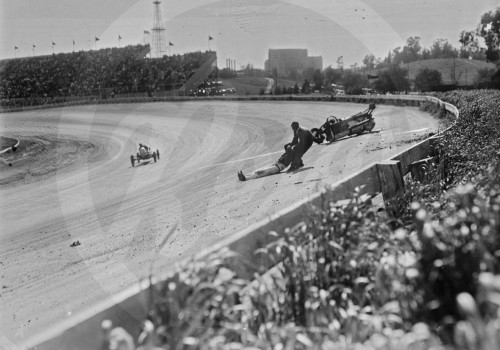
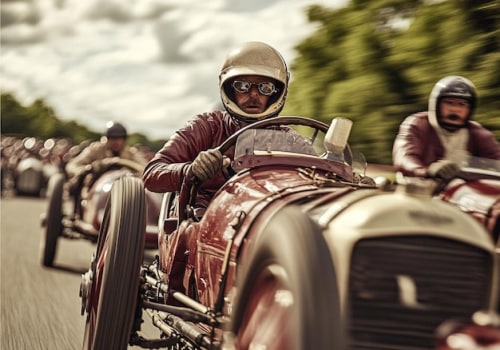
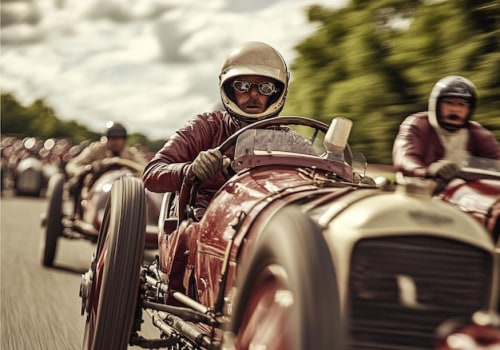
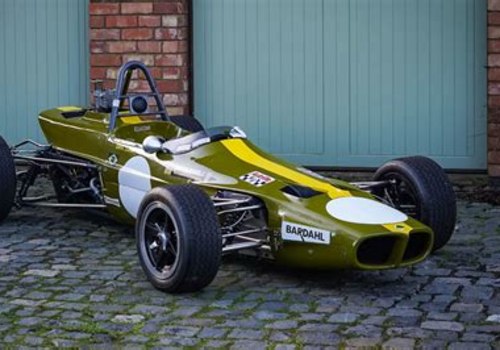
Vintage car racing is more than just a sport; it is a celebration of automotive history and engineering excellence. Enthusiasts from all walks of life gather to witness these classic machines, each with its own unique story, roar to life on the racetrack. The appeal of vintage racing lies not only in the thrill of competition but also in the nostalgia it evokes, reminding us of a time when cars were crafted with passion and artistry. As these vehicles navigate the twists and turns of the track, they transport spectators back to an era where speed and style were paramount.The roots of vintage car racing can be traced back to the early 20th century when automobile manufacturers began to showcase their innovations through competitive events.
Over the decades, this form of racing has evolved, yet it remains deeply connected to its origins. Today, vintage racing events attract participants who are dedicated to preserving the legacy of these remarkable automobiles. From pre-war classics to iconic models of the 1960s and 70s, each race is a testament to the enduring spirit of automotive culture.As we delve deeper into the world of vintage car racing, it becomes essential to understand the rules and regulations that govern this exhilarating sport. These guidelines ensure fair competition while preserving the integrity and safety of both drivers and vehicles.
Whether you are a seasoned racer or a curious newcomer, grasping these regulations will enhance your appreciation for the skill and strategy involved in vintage racing.
Overview of Vintage Car Racing Regulations
Vintage car racing is not just about speed and nostalgia; it is also governed by a set of rules and regulations designed to ensure safety and fairness. Understanding these regulations is crucial for participants and enthusiasts alike.Eligibility Criteria for Vehicles
- Vehicles must typically be manufactured before a certain year, often set around 1972, to qualify as vintage.
- Cars must adhere to specific class regulations, which can vary by event or organization.
- Modifications are usually limited; many organizations require that cars remain as close to their original specifications as possible.
Safety Standards
- All participants must wear appropriate safety gear, including helmets, gloves, and fire-resistant suits.
- Cars are required to have safety features such as roll cages, seat belts, and fire extinguishers.
- Regular inspections are mandated to ensure that vehicles meet safety standards before they are allowed on the track.
General Racing Guidelines
- Races are often conducted in a time-trial format or in heats, depending on the event structure.
- Drivers must adhere to specific racing lines and conduct themselves in a sportsmanlike manner during events.
- Pit stops and refueling procedures are strictly regulated to maintain safety and fairness among competitors.
Vehicle Eligibility Criteria
In the world of vintage car racing, vehicle eligibility is a crucial aspect that ensures the authenticity and integrity of the sport. To participate, cars must meet specific criteria that reflect their historical significance and technical specifications.Age Requirements
Typically, a car must be at least 25 years old to qualify as a vintage vehicle.This age requirement helps maintain the spirit of vintage racing, allowing only those cars that have stood the test of time to compete. Some organizations may have different age cutoffs, so it’s essential for participants to check the specific rules of the racing series they intend to enter.
Modifications and Authenticity
Another critical factor in vintage car eligibility is the extent of modifications allowed. Most vintage racing organizations emphasize maintaining the car's original specifications. This means that while some safety modifications may be permitted—such as updated brakes or safety harnesses—major alterations to the engine or bodywork are generally prohibited.The goal is to preserve the car's historical integrity while ensuring driver safety.
Eligible Vintage Cars
The list of eligible vintage cars can vary by organization, but generally includes models produced before a certain year, often around 1975. Popular makes and models often seen on the track include:- Ford Mustang
- Porsche 911
- Chevrolet Corvette
- Austin Healey
- Mazda RX-7
Safety Regulations in Vintage Car Racing
In the world of vintage car racing, safety is paramount. Participants must adhere to a strict set of safety regulations designed to protect both drivers and spectators. These regulations encompass various aspects, including required safety gear and vehicle modifications.Safety Equipment Requirements
- Helmets: All drivers are required to wear a certified racing helmet that meets the latest safety standards.
Full-face helmets are often recommended for maximum protection.
- Fire Suits: A flame-resistant racing suit is mandatory. This suit should cover the entire body and be made from materials that can withstand high temperatures.
- Gloves and Shoes: Drivers must wear fire-resistant gloves and shoes that provide adequate grip and protection.
- Harnesses: A multi-point safety harness is essential for securing the driver in the seat, minimizing movement during high-speed maneuvers.
Vehicle Modifications for Safety
In addition to personal safety gear, vintage cars must undergo specific modifications to comply with vintage racing safety standards. These modifications may include:
- Cage Installation: A roll cage is often required to protect the driver in case of a rollover or collision.
- Fuel Cell: Upgrading to a fuel cell instead of a standard gas tank can significantly reduce the risk of fire in the event of an accident.
- Tires: Tires must be suitable for racing conditions, providing optimal grip and durability.
- Braking Systems: Enhanced braking systems are crucial for ensuring quick stops and maintaining control during races.
Race Format and Conduct Rules
In vintage car racing, the race format is meticulously structured to ensure both safety and competitive fairness.Typically, a race weekend consists of several key components: practice sessions, qualifying rounds, and the main race event.
Practice Sessions
Before the actual race, drivers participate in practice sessions. These sessions allow teams to fine-tune their vehicles and familiarize themselves with the track. During practice, drivers can assess their car's performance and make necessary adjustments. It is crucial for teams to maximize this time, as it can significantly impact their qualifying times.Qualifying Rounds
Following practice, qualifying rounds determine the starting positions for the main race.Each driver aims to achieve the fastest lap time possible. The results from these rounds are critical; they not only dictate the grid positions but also set the tone for the race strategy. Drivers must adhere to strict conduct rules during qualifying, including maintaining a safe distance from others and respecting track limits.
Race Day Conduct Rules
On race day, conduct rules are strictly enforced to ensure a fair and safe environment for all participants. Here are some essential rules:- Driver Briefing: All drivers must attend a pre-race briefing where officials outline specific rules and safety protocols.
- Grid Positioning: Drivers must line up in their designated starting positions as determined by qualifying results.
- Safety Gear: Compliance with safety gear regulations is mandatory; this includes helmets, gloves, and fire-resistant suits.
- Flag Signals: Understanding and responding to flag signals is crucial.
For instance, yellow flags indicate caution, while red flags signal a stop in racing due to hazardous conditions.
- Pit Stops: Teams must follow specific procedures during pit stops, including speed limits in the pit lane and proper signaling for tire changes or repairs.
Penalties and Disqualifications
In the world of vintage car racing, adherence to rules is paramount for ensuring fair competition and safety. Violations can lead to a range of penalties, which are crucial for maintaining the integrity of the sport.Common Penalties in Vintage Racing
- Time Penalties: Drivers may incur time penalties for minor infractions, such as exceeding track limits or improper pit stops. These penalties are added to the driver's total race time.
- Monetary Fines: Some organizations impose fines for rule violations, which can vary based on the severity of the infraction.
- Point Deductions: In series that utilize a points system, drivers may lose points for infractions, impacting their standings in the championship.
Disqualification Rules
A disqualification is a serious consequence that can occur under specific circumstances:- Technical Non-Compliance: If a car fails to meet the technical specifications outlined by the racing organization, it may be disqualified.
This includes modifications that are not allowed for vintage vehicles.
- Unsportsmanlike Conduct: Actions deemed unsportsmanlike, such as aggressive driving or intentional collisions, can lead to immediate disqualification.
- Failure to Comply with Safety Regulations: Safety is a top priority in vintage car racing. Failure to adhere to safety regulations, such as not wearing proper safety gear or having inadequate vehicle safety features, can result in disqualification.
Common FAQs about Vintage Car Racing Regulations
When it comes to vintage car racing, enthusiasts often have numerous questions regarding the rules and regulations that govern this thrilling sport. Below are some of the most frequently asked questions that can help clarify common uncertainties.What defines a vintage car in racing?
A vintage car is typically defined as a vehicle that was manufactured between 1919 and 1930.However, different racing organizations may have varying definitions, so it's essential to check the specific guidelines of the event you plan to enter.
Are there specific safety regulations for vintage car racing?
Yes, safety is paramount in vintage car racing. Most organizations require drivers to wear helmets, fire-resistant suits, and gloves. Additionally, cars must be equipped with safety features such as roll cages, seat belts, and fire extinguishers. Always consult the specific event's safety regulations for detailed requirements.Can I modify my vintage car for racing?
Modifications are often allowed but must adhere to the rules set by the racing organization.Common modifications include upgrading brakes and suspension systems. However, changes that significantly alter the car's original specifications may not be permitted. Always verify with the event organizers before making modifications.
What types of events are available for vintage car racing?
- Road Racing: Competitive races on closed circuits.
- Hill Climbs: Timed events where cars race up a hill.
- Endurance Races: Long-distance races that test both driver and vehicle durability.
How do I find vintage car racing events?
You can find vintage car racing events through various channels:- Online Forums: Join communities dedicated to vintage racing.
- Social Media: Follow organizations and groups that promote vintage racing.
- Local Car Clubs: Many clubs host or participate in vintage racing events.
Conclusion: The Importance of Adhering to Vintage Racing Rules
In conclusion, understanding and adhering to the rules and regulations of vintage car racing is crucial for ensuring both safety and fair competition.The unique charm of vintage racing lies not only in the classic cars but also in the spirit of camaraderie and respect among participants. By following established guidelines, racers can enjoy a thrilling experience while minimizing risks.Key points to remember include:
- Safety Regulations: Compliance with safety standards is non-negotiable. This includes wearing appropriate gear, ensuring vehicles are equipped with necessary safety features, and conducting pre-race inspections.
- Vehicle Eligibility: Each racing event has specific criteria regarding the age, make, and model of cars allowed to participate. Understanding these requirements helps maintain the integrity of vintage racing.
- Race Conduct: Fair play is essential.
Participants must respect fellow racers and adhere to race protocols to foster a competitive yet friendly environment.
- Technical Regulations: Familiarity with technical specifications ensures that all vehicles are compliant with the rules governing modifications and performance enhancements.