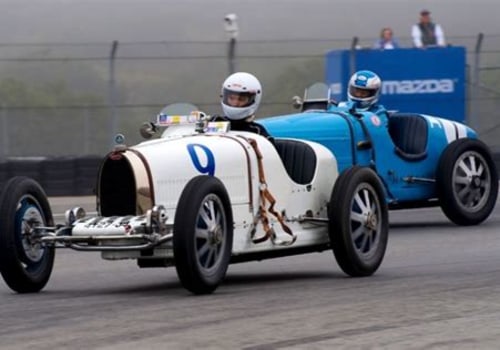
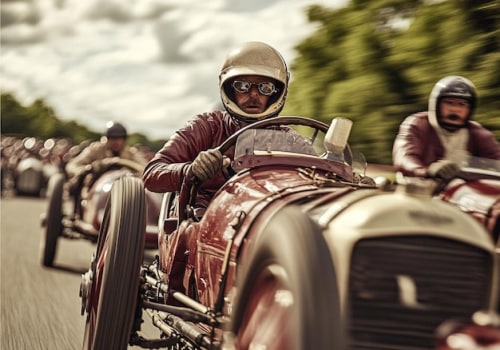
Vintage car racing is more than just a motorsport; it is a celebration of automotive history and engineering excellence. This thrilling sport features classic cars, typically manufactured before 1975, competing on various tracks and circuits around the world. The allure of vintage car racing lies not only in the nostalgia it evokes but also in the craftsmanship and design of these remarkable vehicles. Each race tells a story, showcasing the evolution of automotive technology and the passion of those who restore and maintain these iconic machines. The roots of vintage car racing can be traced back to the early 20th century when automobile enthusiasts began organizing competitions to test their vehicles' speed and reliability.
Over the decades, this pastime evolved into a formalized sport, with dedicated events and clubs emerging to promote the preservation of classic cars. Today, vintage car racing is recognized as a vital part of motorsport culture, attracting participants and spectators who appreciate the rich heritage and camaraderie that comes with it. As we delve deeper into the world of vintage car racing, it becomes clear that this sport is not just about speed; it embodies a community that values history, craftsmanship, and competition. Understanding its significance sets the stage for exploring the crucial role that sponsors play in sustaining this vibrant scene. Sponsors not only provide financial support but also help preserve the legacy of these classic vehicles, ensuring that future generations can enjoy the thrill of vintage car racing.
The Importance of Sponsorship in Motorsports
Sponsorship plays a crucial role in the world of vintage car racing, serving as a lifeline for teams and events alike.Without the financial backing provided by sponsors, many racing teams would struggle to cover the costs associated with maintaining and competing their vintage vehicles. This support is not just limited to monetary contributions; it often extends to logistical assistance, including access to specialized equipment and facilities.One of the primary ways sponsorship works in racing is through branding opportunities. Sponsors gain visibility by having their logos displayed on cars, team uniforms, and promotional materials. This exposure can significantly enhance a brand's recognition among a passionate audience that appreciates the nostalgia and craftsmanship of vintage cars.
In return, sponsors help teams offset expenses related to:
- Vehicle maintenance: Vintage cars require meticulous upkeep, which can be costly.
- Travel expenses: Competing in various events often involves significant travel costs.
- Event participation fees: Many vintage racing events charge entry fees that can add up quickly.
- Marketing and promotion: Teams need to promote their presence at events to attract fans and potential sponsors.
As the sport continues to grow, the relationship between sponsors and racing teams will remain vital for sustaining the passion and excitement that vintage car racing brings to enthusiasts around the world.
Types of Sponsors in Vintage Car Racing
In the world of vintage car racing, sponsors play a crucial role in supporting events, teams, and individual racers. These sponsors can be categorized into several types, each contributing uniquely to the sport.- Corporate Sponsors: These are typically large companies that see value in associating their brand with the prestige and excitement of vintage car racing. Corporate sponsors often provide significant financial backing, which can cover event costs, team expenses, and promotional activities. In return, they gain visibility through branding on cars, uniforms, and promotional materials.
Examples include automotive manufacturers, tire companies, and energy drink brands that target motorsport enthusiasts.
- Local Sponsors: Local businesses often step up to support vintage car racing events in their communities. These sponsors can range from auto repair shops to restaurants and hotels. By sponsoring local races, these businesses not only contribute to the event's success but also enhance their visibility among attendees. Local sponsorships can be more affordable than corporate deals and allow businesses to connect with potential customers directly.
- Individual Patrons: Some vintage car racers rely on individual patrons who are passionate about the sport.
These patrons may be former racers or enthusiasts who want to support their favorite drivers or teams. Individual sponsorships can take various forms, including financial contributions or providing resources like tools and equipment. This type of sponsorship fosters a personal connection between the racer and their supporters.
How Sponsors Influence Vintage Car Racing Events
Sponsors play a crucial role in the world of vintage car racing, significantly influencing the organization and execution of events.Their involvement extends beyond mere financial support; it encompasses various aspects that enhance the overall experience for participants and spectators alike.
Funding and Financial Support
- Sponsors provide essential funding that helps cover the costs associated with organizing vintage car racing events, including venue rentals, permits, and insurance.
- This financial backing allows event organizers to allocate resources towards improving the quality of the event, ensuring a better experience for both racers and fans.
Marketing and Promotion
- Through their marketing channels, sponsors help promote vintage car racing events to a broader audience. This includes advertising through social media, print media, and even television.
- Their established brand presence can attract more participants and spectators, ultimately increasing the event's visibility and success.
Logistical Support
- Sponsors often assist with logistical aspects such as transportation, equipment rental, and on-site services. This support is vital for ensuring that events run smoothly.
- By providing these resources, sponsors help alleviate some of the burdens on event organizers, allowing them to focus on creating an engaging experience.
Building Community and Engagement
- Sponsorships can foster a sense of community among participants and fans. Sponsors often host events or activities that engage attendees, creating a more vibrant atmosphere.
- This engagement not only enhances the event but also strengthens the relationship between sponsors and the vintage car racing community.
Their influence spans funding, marketing, logistics, and community engagement, making them key players in shaping the future of this thrilling motorsport.
Case Studies: Successful Sponsorships in Vintage Car Racing
In the world of vintage car racing, successful sponsorships can significantly enhance the visibility and viability of both teams and events. Here are a few notable case studies that illustrate the impact of sponsorship in this niche motorsport.1.The Goodwood Revival
The Goodwood Revival, held annually in the UK, is one of the most prestigious vintage car racing events. It attracts a plethora of sponsors, including luxury brands like Aston Martin and Jaguar. These companies not only provide financial support but also leverage their brand heritage to enhance the event's prestige.The partnership has resulted in increased ticket sales and a higher profile for both the event and the sponsors, showcasing how effective sponsorship can create a win-win scenario.
2.The Pebble Beach Concours d'Elegance
This iconic event combines vintage car racing with a classic car show, drawing in high-end sponsors such as Rolex and Mercedes-Benz. Their involvement has elevated the event's status, attracting affluent attendees and collectors. The sponsorships have led to enhanced marketing campaigns that highlight both the cars and the brands, demonstrating how strategic partnerships can amplify reach and engagement.3.Historic Sports Car Racing (HSR)
HSR has successfully partnered with various automotive brands, including Porsche and BMW, to sponsor specific races within their series. These partnerships often include promotional activities that engage fans, such as meet-and-greet sessions with drivers or exclusive merchandise.The result is a more vibrant racing atmosphere that benefits both the teams and sponsors by fostering community engagement.These case studies exemplify how effective sponsorships in vintage car racing can lead to mutual benefits, enhancing brand visibility while supporting the growth of this unique motorsport. By aligning with events that resonate with their target audience, sponsors can create lasting impressions that extend beyond the racetrack.
Challenges Faced by Sponsors in Vintage Car Racing
Sponsoring vintage car racing can be an exhilarating opportunity for brands, but it also comes with its own set of challenges and risks. Understanding these factors is crucial for sponsors looking to make a meaningful impact in this niche market.Market Fluctuations
The vintage car racing scene is often influenced by economic conditions. As disposable incomes fluctuate, so does the interest in luxury experiences like vintage racing events.Sponsors may find that during economic downturns, attendance at races decreases, leading to lower visibility for their brand. This unpredictability can make it difficult to justify sponsorship investments.
Brand Alignment
Another significant challenge is ensuring that the sponsor's brand aligns with the values and image of vintage car racing. The audience for vintage racing tends to be passionate and discerning, often valuing authenticity and heritage. If a sponsor's brand does not resonate with these values, it can lead to negative perceptions and backlash from the community.This misalignment can undermine the effectiveness of the sponsorship.
Risk of Damage to Brand Reputation
In addition to market fluctuations and brand alignment issues, sponsors also face the risk of potential damage to their reputation. Vintage car racing can involve high-speed events where accidents are a possibility. If a sponsored vehicle is involved in a serious incident, it could reflect poorly on the sponsor's brand, leading to public relations challenges that require careful management.Competition for Attention
The vintage car racing landscape is crowded with various sponsors vying for attention. This competition can dilute the impact of individual sponsorships, making it harder for brands to stand out.To combat this, sponsors must develop creative marketing strategies that not only promote their involvement but also engage the audience in meaningful ways.In conclusion, while sponsoring vintage car racing offers unique opportunities for brand exposure and engagement, it is essential for sponsors to navigate these challenges carefully. By understanding market dynamics, ensuring brand alignment, managing reputational risks, and standing out in a competitive environment, sponsors can maximize their investment in this thrilling motorsport arena.
The Future of Sponsorship in Vintage Car Racing
The landscape of sponsorship in vintage car racing is evolving rapidly, influenced by technological advancements and shifting audience demographics. As the motorsport industry adapts to these changes, sponsors are finding new ways to engage with fans and enhance their brand visibility.Emerging Trends in Sponsorship
One significant trend is the integration of digital technology into sponsorship strategies. Brands are increasingly leveraging social media platforms and online streaming services to reach a broader audience.This shift allows sponsors to create interactive experiences, such as live Q&A sessions with drivers or behind-the-scenes content that resonates with fans.Moreover, the rise of data analytics is transforming how sponsors measure their return on investment (ROI). By analyzing viewer engagement and demographic data, sponsors can tailor their campaigns to target specific audiences more effectively. This data-driven approach not only enhances the effectiveness of marketing efforts but also fosters a deeper connection between brands and vintage car racing enthusiasts.
Changing Audience Demographics
The demographics of vintage car racing fans are also shifting. Younger audiences are becoming increasingly interested in classic cars, driven by nostalgia and a desire for unique experiences.Sponsors are recognizing this trend and adapting their messaging to appeal to this new generation of fans. Collaborations with influencers and partnerships with lifestyle brands are becoming common strategies to attract younger viewers.
- Increased focus on sustainability: As environmental concerns grow, sponsors are looking for ways to align their brands with sustainable practices within the vintage car racing community.
- Diversity and inclusion: Brands are also prioritizing diversity in their sponsorships, supporting a wider range of events and participants to reflect the changing face of motorsport.
- Experiential marketing: Sponsors are investing in immersive experiences at events, allowing fans to engage directly with their products and services.
FAQs About Sponsors in Vintage Car Racing
When it comes to vintage car racing, sponsors play a crucial role in the success and sustainability of events and teams. Here are some frequently asked questions that shed light on their importance:- What do sponsors provide to vintage car racing teams?
Sponsors typically offer financial support, which can cover costs such as vehicle maintenance, travel expenses, and entry fees for races.Additionally, they may provide products or services that enhance the team's performance.
- How do sponsors benefit from their involvement in vintage car racing?
By sponsoring a team or event, companies gain exposure to a passionate audience. This can lead to increased brand recognition and loyalty among fans who appreciate the sport. Furthermore, sponsors often leverage their association with vintage car racing to enhance their corporate image. - Are there different types of sponsorships in vintage car racing?
Yes, sponsorships can vary widely. Some sponsors may opt for title sponsorships, where their name is prominently featured in event branding.Others might choose to sponsor specific teams or vehicles, providing them with visibility during races.
- How do teams choose their sponsors?
Teams often look for sponsors whose values align with their own and who have a genuine interest in vintage car racing. A good partnership can enhance both the team's performance and the sponsor's marketing efforts. - What impact do sponsors have on the growth of vintage car racing?
Sponsors contribute significantly to the growth of the sport by providing necessary funding for events and promoting them through their marketing channels. This financial backing allows for better organization of races and can attract more participants and spectators.