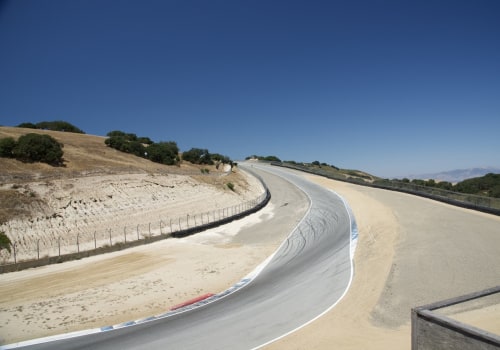
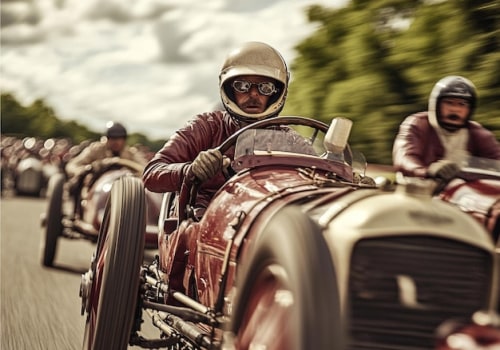
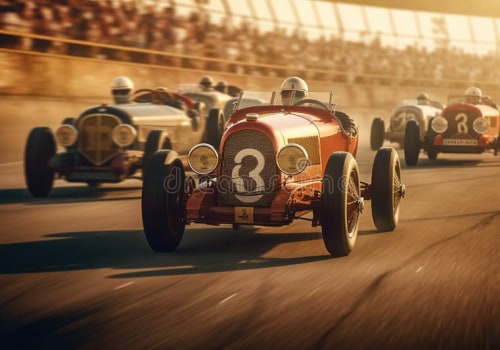
The world of vintage car racing is steeped in rich history, tracing its roots back to the early 20th century when automobiles first began to capture the public's imagination. The inaugural races were often informal gatherings, where enthusiasts would showcase their vehicles' speed and engineering prowess. As the sport gained popularity, organized events emerged, leading to the establishment of iconic races such as the Monte Carlo Rally and the Le Mans 24 Hours. These events not only highlighted the thrilling competition but also celebrated the craftsmanship of classic automobiles, setting the stage for what we now recognize as vintage car racing. Over the decades, vintage racing events have evolved significantly, reflecting changes in technology, safety standards, and cultural attitudes towards motorsport.
The introduction of stricter regulations and safety measures has transformed how these races are conducted, ensuring that while the thrill remains intact, participants are better protected. Furthermore, as automotive technology advanced, so did the vehicles themselves. Classic cars from different eras now compete in various categories, showcasing a diverse range of engineering marvels that appeal to both racers and spectators alike. Today, vintage car racing is not just a sport; it is a celebration of automotive heritage. Events around the globe attract enthusiasts who appreciate the nostalgia and craftsmanship of these classic machines.
As we look to the future, understanding this evolution is crucial. It allows us to appreciate not only where vintage car racing has been but also where it is headed—potentially merging with modern technology while preserving its historical essence.
Current Trends in Vintage Car Racing
The world of vintage car racing is experiencing a renaissance, driven by a blend of nostalgia and modern innovation. As enthusiasts seek to preserve the charm of classic automobiles, several current trends are shaping the landscape of this exhilarating sport.Popular Vintage Racing Events
- Goodwood Revival: This iconic event in the UK celebrates the golden age of motorsport, attracting thousands of spectators and participants who revel in the atmosphere of the 1940s and 1950s.
- Monterey Historic Automobile Races: Held in California, this event showcases a diverse range of vintage cars, from pre-war classics to 1970s racers, making it a must-attend for fans and collectors alike.
- Le Mans Classic: This biennial event pays homage to the legendary 24 Hours of Le Mans, featuring classic cars that have raced in the original endurance race.
Emerging Technologies
While vintage car racing is rooted in history, modern technology is playing a pivotal role in its evolution. Innovations such as advanced telemetry systems and data analytics are being integrated into classic cars, allowing drivers to enhance their performance while maintaining authenticity.
Additionally, electric powertrains are beginning to make their way into vintage racing, offering a sustainable alternative without compromising on speed or excitement.
Cultural Shifts
The culture surrounding vintage car racing is also evolving. Younger generations are increasingly drawn to the sport, fueled by social media and online communities that celebrate classic cars. This shift is fostering a more inclusive environment where enthusiasts share knowledge and experiences, bridging the gap between seasoned racers and newcomers.As these trends continue to unfold, the future of vintage car racing looks promising. With a blend of tradition and innovation, this sport not only honors its past but also embraces new possibilities for generations to come.
Technological Innovations Impacting Vintage Car Racing
The world of vintage car racing is undergoing a remarkable transformation, driven by technological innovations that are reshaping the landscape of this beloved motorsport.As enthusiasts seek to preserve the charm of classic vehicles while adapting to modern demands, several key advancements are making their mark.
Electric Conversions
One of the most significant trends in vintage car racing is the rise of electric conversions. Many vintage car owners are opting to replace traditional internal combustion engines with electric powertrains. This shift not only reduces emissions but also enhances performance, offering instant torque and smoother acceleration. Notable examples include classic models being retrofitted with electric motors, allowing them to compete in races while maintaining their vintage aesthetics.Advanced Safety Features
Safety has always been a priority in racing, and the integration of advanced safety features into vintage cars is becoming increasingly common.Innovations such as modern roll cages, improved braking systems, and advanced fire suppression systems are being incorporated into classic vehicles. These enhancements ensure that drivers can enjoy the thrill of vintage car racing while minimizing risks associated with high-speed competition.
Data Analytics and Performance Monitoring
The use of data analytics in vintage car racing is another exciting development. Teams are now utilizing telemetry systems to monitor vehicle performance in real-time. This technology allows for precise adjustments to be made during races, optimizing speed and handling.By analyzing data from previous races, teams can make informed decisions about tuning and strategy, giving them a competitive edge.
Sustainability Initiatives
As environmental concerns grow, sustainability initiatives are becoming integral to the future of vintage car racing. Organizers are exploring ways to reduce the carbon footprint of events through eco-friendly practices, such as using renewable energy sources at race venues and promoting electric vehicle categories. This shift not only appeals to a broader audience but also ensures that vintage racing can thrive in an increasingly eco-conscious world.In conclusion, the future of vintage car racing is bright, thanks to these technological innovations. By embracing electric conversions, advanced safety features, data analytics, and sustainability initiatives, the sport is poised to evolve while honoring its rich heritage.Challenges Facing Vintage Car Racing Today
The world of vintage car racing is not without its challenges, and understanding these issues is crucial for the future of the sport.As enthusiasts and participants strive to keep the passion alive, several key factors threaten the sustainability and growth of vintage racing.
Financial Sustainability
One of the most pressing challenges is the financial sustainability of vintage car racing events. The costs associated with maintaining classic vehicles, securing parts, and participating in races can be prohibitively high. Many racers find it difficult to justify these expenses, especially when faced with rising entry fees and dwindling sponsorship opportunities. This financial strain can lead to a decline in participation, which ultimately threatens the vibrancy of the sport.Regulatory Issues
Another significant hurdle is the evolving landscape of regulatory issues.As safety standards become more stringent, vintage racers must adapt their vehicles to comply with modern regulations. This can involve costly modifications that may detract from the authenticity of the cars. Additionally, some racing venues are imposing restrictions on older vehicles due to noise and emissions concerns, further complicating participation.
Environmental Concerns
Sustainability in vintage racing is also a growing concern. With increasing awareness of environmental issues, many racing organizations are being pressured to adopt greener practices.This includes exploring alternative fuels or electric options for classic cars, which can be a contentious topic among purists who value the traditional aspects of vintage racing. Balancing environmental responsibility with the heritage of these vehicles presents a unique challenge for organizers and participants alike.In conclusion, while vintage car racing continues to captivate enthusiasts around the world, it faces significant challenges that must be addressed to ensure its future. By tackling financial sustainability, regulatory compliance, and environmental concerns head-on, the community can work towards a more viable and exciting future for this beloved motorsport.
The Role of Community and Enthusiasts in Shaping the Future
The vintage car racing community plays a pivotal role in preserving the rich history and excitement of this beloved motorsport. Enthusiasts, collectors, and racers come together to form a vibrant network that not only shares a passion for classic automobiles but also actively participates in shaping the future of the sport.Grassroots Movements
- Grassroots movements within the vintage car racing scene are essential for fostering new talent and encouraging participation.
Local clubs and organizations often host events that allow newcomers to experience the thrill of racing without the high costs associated with professional circuits.
- These grassroots initiatives help to cultivate a sense of belonging among participants, making it easier for them to share knowledge, resources, and experiences. This communal spirit is vital for sustaining interest in vintage racing.
The Role of Enthusiasts
- Enthusiasts are not just spectators; they are active contributors to the vintage car racing ecosystem. Many dedicate their time to restoring classic cars, ensuring that these vehicles remain competitive and relevant in modern racing.
- Moreover, enthusiasts often engage in advocacy efforts to promote policies that support vintage racing events, ensuring that tracks remain accessible and that regulations favor the preservation of classic cars.
By embracing innovation while honoring tradition, the community can ensure that vintage racing remains an exciting and cherished pastime for generations to come.
The Future Landscape of Vintage Car Racing
The future of vintage car racing is poised for exciting transformations as it adapts to the evolving landscape of motorsport. With a growing interest in sustainability and technology, several trends are emerging that could redefine how enthusiasts engage with this beloved pastime.Embracing Technology
As technology continues to advance, vintage car racing is likely to see an integration of modern innovations. This includes the use of data analytics to enhance performance and safety. Racers may utilize telemetry systems to monitor vehicle dynamics, allowing for real-time adjustments that can improve race outcomes while preserving the authenticity of the vintage experience.Sustainability Initiatives
With increasing awareness around environmental issues, the future of vintage car racing may also embrace sustainability.Events could implement eco-friendly practices, such as using biofuels or electric conversions for classic cars. This shift not only aligns with global sustainability goals but also attracts a new generation of racers who are passionate about preserving both history and the environment.
Community Engagement and Inclusivity
The vintage car racing community is expected to grow more inclusive, welcoming a diverse range of participants. Organizations may focus on outreach programs aimed at younger audiences, encouraging them to appreciate the craftsmanship and history behind vintage vehicles. This could lead to an increase in events tailored for novice racers, fostering a sense of community and shared passion.Global Expansion
As interest in vintage car racing expands globally, we can anticipate more international events that celebrate this motorsport.Countries with rich automotive histories may host races that attract participants from around the world, creating a vibrant exchange of culture and competition.In conclusion, the future landscape of vintage car racing is bright, characterized by technological advancements, sustainability efforts, community engagement, and global expansion. These developments promise to keep the spirit of vintage racing alive while ensuring it remains relevant in an ever-changing world.
FAQs About Vintage Car Racing's Future
As the world of vintage car racing continues to evolve, many enthusiasts have questions about its future. Here are some frequently asked questions that shed light on what lies ahead for this beloved motorsport.Will vintage car racing remain popular?
Yes, the popularity of vintage car racing is expected to grow. As more people become interested in classic cars and their history, events showcasing these vehicles will likely attract larger audiences.Additionally, the rise of social media and online communities has made it easier for enthusiasts to connect and share their passion.
What trends are emerging in vintage car racing?
- Increased participation: More drivers are entering the sport, including younger generations who appreciate the craftsmanship and nostalgia of vintage cars.
- Technological advancements: While vintage cars are rooted in history, modern technology is being used to enhance safety and performance without compromising authenticity.
- Sustainability efforts: There is a growing focus on eco-friendly practices within the racing community, such as using sustainable fuels and promoting responsible event management.
How is technology impacting vintage car racing?
Technology plays a dual role in vintage car racing. On one hand, it helps preserve the integrity of classic vehicles through advanced restoration techniques. On the other hand, it enhances the racing experience with improved safety measures and data analytics for performance optimization. This balance ensures that while the cars remain true to their roots, they can compete safely and effectively.What can fans expect from future vintage car events?
Fans can look forward to more diverse events that cater to various interests within the vintage car community.This includes themed races, exhibitions featuring rare models, and interactive experiences that allow spectators to engage with the history of these vehicles. Additionally, collaborations with automotive museums and educational institutions may provide deeper insights into the significance of vintage cars in automotive history.In conclusion, the future of vintage car racing looks promising, with a blend of tradition and innovation that will continue to captivate both participants and fans alike.