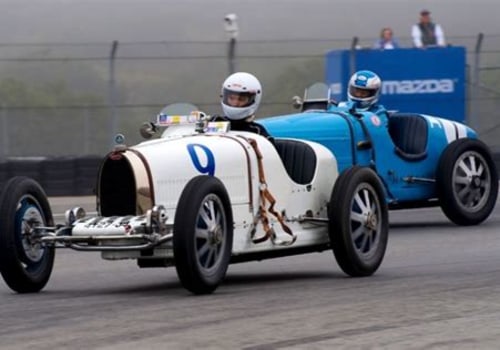
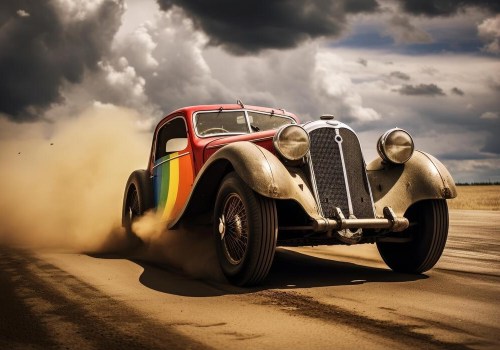
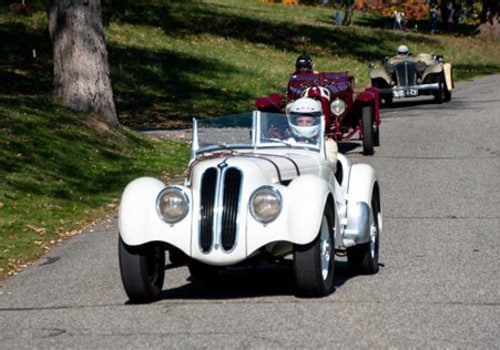
Vintage car racing is not just a sport; it is a celebration of automotive history and engineering excellence. This thrilling motorsport involves racing classic cars that are typically over 30 years old, showcasing their unique designs and the craftsmanship of a bygone era. The allure of vintage car racing lies in its ability to transport both drivers and spectators back in time, allowing them to experience the nostalgia and excitement of racing as it was in the early to mid-20th century. The roots of vintage car racing can be traced back to the early days of motorsport, when enthusiasts began to gather for informal races on public roads. As the sport evolved, organized events emerged, leading to the establishment of various racing clubs and associations dedicated to preserving these classic vehicles.
Today, vintage car racing is governed by strict regulations that ensure fair competition while maintaining the integrity and authenticity of the cars. This rich history not only adds depth to the sport but also emphasizes the importance of training for drivers who wish to compete. Training for vintage car racing is essential due to the unique challenges posed by these older vehicles. Unlike modern race cars equipped with advanced technology and safety features, vintage cars require a different skill set and understanding of their mechanical nuances. Drivers must familiarize themselves with the handling characteristics, braking systems, and power delivery of their specific models.
Moreover, mastering the art of driving these classic machines demands a deep respect for their history and an appreciation for the craftsmanship that went into their creation. As we delve deeper into the world of vintage car racing, it becomes clear that preparation is key. From understanding the historical significance of their vehicles to honing their driving skills on various tracks, drivers must engage in comprehensive training regimens that reflect both their passion for motorsport and their commitment to preserving automotive heritage.
The Importance of Physical Fitness for Drivers
Vintage car racing is not just about the thrill of speed and the beauty of classic automobiles; it also demands a high level of physical fitness from drivers. The unique challenges presented by these races require participants to be in peak condition, as the physical demands can be quite intense.One of the primary reasons for this is the endurance required during long races. Drivers often spend hours behind the wheel, navigating tight turns and maintaining focus while dealing with the heat generated by both the engine and the enclosed cockpit.This prolonged exposure can lead to fatigue, which can impair reaction times and decision-making abilities.
Key Aspects of Driver Fitness Training
- Cardiovascular Endurance: Engaging in activities such as running, cycling, or swimming can significantly improve a driver’s stamina. A strong cardiovascular system helps maintain energy levels throughout the race.
- Strength Training: Building core strength is essential for maintaining control of the vehicle. Exercises that target the abdominal and back muscles can enhance stability and reduce fatigue.
- Flexibility: Stretching routines and yoga can improve flexibility, allowing drivers to maneuver comfortably within their cars and react swiftly to changing conditions on the track.
- Mental Conditioning: Physical fitness is closely tied to mental acuity. Incorporating mental exercises, such as visualization techniques or meditation, can help drivers stay focused and calm under pressure.
As vintage car racing continues to grow in popularity, understanding the importance of driver fitness training will be crucial for those looking to compete successfully.
Mental Preparation and Focus Techniques
In the world of vintage car racing, mental preparation is just as crucial as physical training. Drivers must cultivate a strong mindset to navigate the unique challenges presented by these classic vehicles and the high-pressure environment of a race. Here are some key strategies for enhancing mental focus and resilience:Visualization Techniques
One effective method is visualization. Drivers often spend time imagining themselves on the track, picturing every turn, acceleration, and braking point.This mental rehearsal helps to create a sense of familiarity with the course, allowing drivers to react instinctively during the actual race.
Mindfulness and Breathing Exercises
Incorporating mindfulness practices can significantly improve concentration. Simple breathing exercises can help calm nerves and enhance focus. For instance, taking deep breaths before entering the car can center a driver’s thoughts and reduce anxiety.Setting Goals
Establishing clear, achievable goals is another vital aspect of mental preparation. Drivers should set both short-term and long-term objectives, such as improving lap times or mastering specific techniques.This goal-oriented approach not only provides motivation but also helps in tracking progress over time.
Developing a Pre-Race Routine
A consistent pre-race routine can also aid in mental preparation. This routine might include specific warm-up exercises, listening to music, or engaging in light conversation with team members. The predictability of a routine can help reduce stress and create a focused mindset.Psychological Training
Finally, many drivers benefit from working with sports psychologists who specialize in psychological training for racers. These professionals can provide tailored strategies to enhance mental toughness, improve focus under pressure, and develop coping mechanisms for dealing with the inevitable stresses of racing.By integrating these mental preparation techniques into their training regimen, vintage car racers can enhance their performance on the track, ensuring they are not only physically prepared but also mentally sharp when it counts the most.Understanding Your Vintage Car: Mechanics and Maintenance
To excel in vintage car racing, understanding the mechanics of your vintage car is crucial.These vehicles, often built decades ago, have unique engineering that differs significantly from modern cars. Familiarizing yourself with the specific components and systems of your vintage car can enhance both performance and safety on the track.
Vintage car mechanics
encompass various aspects, including the engine, transmission, suspension, and braking systems. Each of these components requires a different approach to maintenance and tuning:- Engine: Regularly check oil levels and quality, as older engines may consume oil differently. Tune-ups should include checking spark plugs, ignition timing, and carburetor settings to ensure optimal performance.
- Transmission: Vintage cars often have manual transmissions that require specific fluid types.
Ensure that the clutch is functioning properly and that there are no leaks in the system.
- Suspension: Inspect shock absorbers and springs for wear. A well-maintained suspension system is vital for handling during races.
- Braking System: Vintage brakes may not perform like modern disc brakes. Regularly inspect brake pads, lines, and fluid levels to ensure they are race-ready.
- Tire Selection: Choose tires that are appropriate for the track conditions.
Vintage racing often requires specialized tires that provide better grip and handling.
- Weight Distribution: Adjusting weight distribution can significantly impact performance. Consider relocating components or using lightweight materials to enhance speed and handling.
- Cooling Systems: Ensure that your cooling system is efficient to prevent overheating during races. This may involve flushing the radiator or upgrading components.
Track Familiarization and Practice Routines
For drivers participating in vintage car racing, mastering the intricacies of each track is crucial for success.Track familiarization
involves understanding the layout, elevation changes, and unique characteristics of the racing surface.This knowledge allows drivers to anticipate challenges and optimize their performance.One effective way to achieve this is through track walks. Before hitting the asphalt, drivers can walk the course to identify key features such as apexes, braking zones, and potential overtaking spots. This practice not only enhances their spatial awareness but also helps in developing a mental map of the track.
Practice Routines for Drivers
Once familiar with the track, establishing a structured practice routine is essential. Here are some strategies that drivers can implement:- Consistent Timing: Regular practice sessions help drivers build muscle memory and improve their lap times.
- Data Analysis: Utilizing telemetry data from practice runs allows drivers to analyze their performance and make necessary adjustments.
- Focus on Specific Sections: Concentrating on challenging corners or sections during practice can lead to significant improvements.
- Simulated Race Conditions: Practicing under race-like conditions, including tire wear and fuel load, prepares drivers for the actual event.
These events often allow drivers to practice on various tracks, enhancing their adaptability and skill set.Ultimately, a combination of thorough track familiarization and disciplined practice routines will equip vintage car racers with the tools they need to excel in their races. By investing time in these areas, drivers can significantly enhance their performance and enjoy the thrill of vintage car racing even more.
Joining a Racing Team or Club: Benefits and Opportunities
Joining a racing team or club dedicated to vintage car racing can significantly enhance a driver's experience and performance on the track. These organizations provide a wealth of resources, knowledge, and camaraderie that are invaluable for both novice and experienced racers.Benefits of Joining a Racing Club
- Access to Expertise: Being part of a racing team allows drivers to learn from seasoned professionals who have extensive experience in vintage car racing. This mentorship can help new drivers avoid common pitfalls and accelerate their learning curve.
- Shared Resources: Racing teams often share tools, equipment, and even cars, which can significantly reduce the costs associated with participating in races.
This collaboration fosters a sense of community and support among members.
- Structured Training: Many clubs offer structured training programs that include practice sessions, workshops, and seminars focused on various aspects of racing, from driving techniques to car maintenance.
- Increased Track Time: Being part of a team often means more opportunities to practice on the track. Regular practice is crucial for honing skills and building confidence behind the wheel.
Networking Opportunities
The vintage car racing community is rich with passionate individuals who share a love for classic automobiles. Joining a racing club opens doors to networking opportunities that can lead to:
- Collaborative Projects: Members often collaborate on restoration projects or share tips on improving car performance, which can enhance both personal skills and the overall quality of the vehicles.
- Sponsorships: Networking within a club can lead to potential sponsorship opportunities. Many businesses are eager to support racers who are part of established teams with proven track records.
- Friendships and Community: The bonds formed within racing teams often extend beyond the track.
These friendships can provide emotional support during the highs and lows of racing.
Participating in Vintage Car Racing Events: What to Expect
Participating in vintage car racing events is an exhilarating experience that combines the thrill of competition with a deep appreciation for automotive history. As a driver, understanding what to expect during these events can significantly enhance your performance and enjoyment.Before the race, drivers should engage in thorough preparation. This includes:- Vehicle Inspection: Ensure your vintage car is in optimal condition. Check the engine, brakes, tires, and safety equipment.
Vintage cars often require more maintenance than modern vehicles, so a detailed inspection is crucial.
- Practice Runs: Familiarize yourself with the track. Many events offer practice sessions where you can get a feel for the course layout and identify any challenging sections.
- Understanding Regulations: Each vintage racing event may have specific rules regarding vehicle modifications, safety gear, and race formats. Review these regulations carefully to ensure compliance.
- Driver Briefing: Attend the pre-race meeting where officials will outline the day’s schedule, safety protocols, and any last-minute changes.
- Pit Stops: Be prepared for strategic pit stops during the race.
Knowing when to refuel or make adjustments can be critical to your success.
- Weather Conditions: Vintage races often take place in varying weather conditions. Be ready to adapt your driving style based on whether it’s sunny or rainy.
Common Challenges Faced by Vintage Car Racers
Vintage car racing presents a unique set of challenges that can test even the most seasoned drivers. Understanding these difficulties is crucial for anyone looking to excel in this thrilling sport.One of the primary challenges faced by vintage car racers is the mechanical reliability of their vehicles.Many vintage cars are decades old and may not have the same level of engineering as modern racing cars. This can lead to unexpected breakdowns during training or races. To mitigate this risk, racers often invest time in thorough pre-race inspections and regular maintenance, ensuring that every component is in optimal condition.Another significant obstacle is the learning curve associated with driving older models. Vintage cars often have different handling characteristics compared to contemporary vehicles, requiring drivers to adapt their techniques.
This can include mastering the art of braking and cornering with less advanced technology. To overcome this, many racers participate in practice sessions specifically designed for vintage cars, allowing them to familiarize themselves with their vehicle's quirks.
Environmental factors
also play a crucial role in vintage car racing. Weather conditions can greatly affect track performance, and older tires may not provide the same grip as modern alternatives. Racers must learn to adjust their driving style based on these conditions, which can be particularly challenging during unpredictable weather events.Lastly, competition itself can be daunting.
Vintage car races often attract skilled drivers who are passionate about the sport, making it essential for participants to stay sharp and competitive. Engaging in local racing clubs or attending workshops can provide valuable insights and strategies from experienced racers, helping newcomers navigate the competitive landscape.In summary, while vintage car racing is fraught with challenges—from mechanical reliability to adapting driving techniques—understanding these obstacles and employing effective strategies can significantly enhance a racer's performance and enjoyment of the sport.
FAQs About Training for Vintage Car Racing
Training for vintage car racing involves a unique set of skills and knowledge that differ from modern racing. Here are some frequently asked questions regarding the training process:- What types of cars are used in vintage racing?
Vintage racing typically features cars manufactured before 1972. These vehicles often require specialized handling techniques due to their distinct engineering and design. - How do drivers prepare physically for vintage car racing?
Physical fitness is crucial. Drivers often engage in strength training, cardiovascular workouts, and flexibility exercises to enhance their endurance and reaction times during races. - Is simulator training beneficial for vintage car racing?
Yes, simulators can help drivers familiarize themselves with the unique handling characteristics of vintage cars.They allow for practice in a controlled environment, helping to improve skills without the risks associated with real-world driving.
- What should drivers know about the rules and regulations?
Understanding the specific rules of the vintage racing series they are participating in is essential. This includes knowledge of safety equipment requirements, race formats, and vehicle eligibility. - How important is track experience?
Track experience is invaluable. Familiarity with the racing circuit allows drivers to develop strategies for overtaking, braking points, and understanding track conditions, which can significantly impact performance.