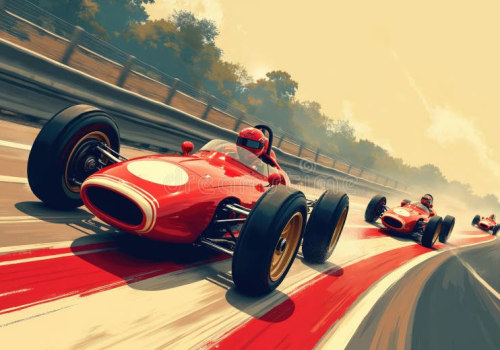
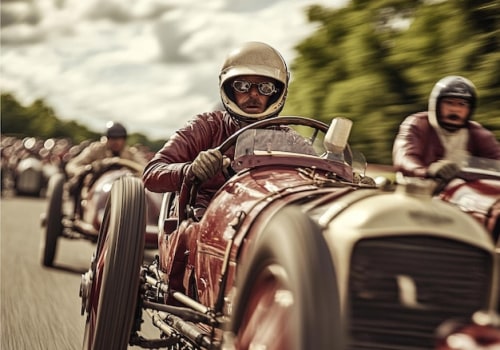
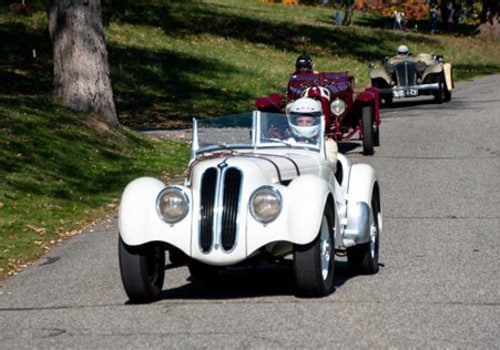
Vintage car racing is more than just a motorsport; it is a celebration of automotive history and engineering excellence. This thrilling sport involves racing cars that are typically over 30 years old, allowing enthusiasts to relive the golden age of automotive design and performance. The allure of vintage car racing lies not only in the roar of classic engines but also in the stories behind each vehicle, many of which have rich histories that date back to the early 20th century.The roots of vintage car racing can be traced back to the post-World War II era when car enthusiasts began to restore and race classic vehicles. Events like the Pebble Beach Concours d'Elegance and the Goodwood Revival have played pivotal roles in popularizing this niche sport, drawing crowds who appreciate the craftsmanship and nostalgia associated with these timeless machines.
As a result, vintage car racing has evolved into a global phenomenon, attracting participants and spectators from all walks of life.Understanding the significance of vintage car racing requires an appreciation for its cultural impact. It serves as a bridge connecting generations of car lovers, fostering a community that values preservation and competition. The strategies employed in this unique racing environment are often influenced by the specific characteristics of each vehicle, as well as the historical context in which they were built. As we delve deeper into this fascinating world, we will explore various strategies that racers utilize to navigate the challenges presented by these classic cars, ensuring that their legacy continues on the track.
Key Strategies for Success in Vintage Car Racing
Success in vintage car racing hinges on a combination of meticulous preparation, strategic vehicle selection, and effective race day tactics.Understanding these key strategies can significantly enhance a racer's performance on the track.
Preparation
is paramount. Before the race, drivers should invest time in:
- Vehicle Maintenance: Regularly inspect and maintain the car to ensure it operates at peak performance. This includes checking the engine, brakes, tires, and suspension.
- Practice Runs: Familiarize yourself with the track layout through practice sessions. This helps in understanding the nuances of the course, such as turns and elevation changes.
- Data Analysis: Utilize telemetry data from previous races to identify areas for improvement.
Analyzing lap times and performance metrics can provide insights into how to optimize driving techniques.
Vehicle Selection
is another critical factor. Choosing the right vintage car can make a significant difference in racing outcomes. Considerations include:
- Weight-to-Power Ratio: Lighter cars with powerful engines often perform better on the track. Assessing this ratio can help in selecting a competitive vehicle.
- Aerodynamics: Cars designed with better aerodynamic features tend to have improved speed and handling.
Look for models that excel in these areas.
- Historical Performance: Research past performances of specific models in vintage races to gauge their competitiveness.
Race Day Tactics
are equally important for achieving success. Key strategies include:
- Starting Position: A good starting position can set the tone for the race. Aim for a front-row start to avoid congestion during the initial laps.
- Pacing Yourself: Vintage cars may not have the same endurance as modern vehicles. Manage your speed and energy throughout the race to avoid mechanical failures.
- Adapting to Conditions: Be prepared to adjust your driving style based on weather conditions or track changes.
Flexibility can be a decisive factor in securing a win.
Vehicle Preparation and Maintenance
When it comes to vintage car racing, the significance of vehicle preparation and maintenance cannot be overstated. A well-prepared car not only enhances performance but also ensures the safety of the driver. Here are some critical aspects to consider:- Engine Tuning: The heart of any racing vehicle is its engine. Regular tuning is essential to ensure optimal performance.
This includes checking the ignition timing, fuel mixture, and overall engine health. Vintage engines may require specific adjustments to run efficiently, so consulting with a specialist familiar with your car's make and model is advisable.
- Tire Selection: Choosing the right tires can significantly impact your racing experience. Vintage cars often require tires that not only fit their aesthetic but also provide the necessary grip and durability for racing conditions. Considerations such as tire compound, tread pattern, and size should align with the specific demands of the track.
- Safety Checks: Safety should always be a priority in vintage car racing.
Conduct thorough inspections of critical components such as brakes, suspension, and steering systems. Ensure that all safety equipment, including seat belts and helmets, meets current standards. Regularly checking for rust or wear on chassis components can prevent catastrophic failures during a race.
- Weight Distribution: Proper weight distribution can enhance handling and stability on the track. Adjustments may include relocating components or adding ballast to achieve an optimal balance.
This is particularly important in vintage cars where design may not prioritize modern racing dynamics.
Understanding Race Tracks and Conditions
In the world of vintage car racing, understanding the nuances of race tracks and prevailing conditions is crucial for success. Each track presents unique challenges that can significantly influence racing strategies.Types of Race Tracks
There are several types of race tracks commonly used in vintage car racing, each requiring different approaches:- Road Courses: These tracks feature a combination of turns, elevation changes, and straightaways. Racers must master cornering techniques and braking points to maintain speed.
- Oval Tracks: Typically used for high-speed racing, oval tracks demand a focus on maintaining momentum and strategic positioning to overtake competitors.
- Street Circuits: Often set in urban environments, these tracks require precision driving due to tight corners and varying surfaces.
Adapting to sudden changes in track conditions is essential.
Weather Conditions
The weather can dramatically affect vintage car racing. Rain, for instance, can create slippery conditions that require racers to adjust their driving style:- Dry Conditions: In dry weather, racers can push their cars to the limit, focusing on speed and aggressive overtaking maneuvers.
- Wet Conditions: When it rains, traction becomes a concern. Drivers must be more cautious with acceleration and braking, often opting for smoother inputs to avoid skidding.
- Temperature Variations: Hot weather can lead to overheating engines, while cooler temperatures may affect tire performance. Understanding how temperature impacts vehicle dynamics is key.
Mastery of these elements not only improves lap times but also contributes to a safer racing experience.
Driving Techniques Specific to Vintage Cars
Driving vintage cars in a racing environment requires a unique set of driving techniques that differ significantly from modern vehicles. Understanding these techniques is crucial for achieving optimal performance on the track.Cornering Techniques
When it comes to cornering, vintage cars often have less grip and different weight distributions compared to contemporary models. Here are some essential tips:- Slow In, Fast Out: Enter corners at a reduced speed to maintain control, then accelerate out smoothly. This technique helps in managing the car's balance.
- Use of Throttle: Vintage cars respond differently to throttle inputs.
Gradually applying the throttle while exiting a corner can prevent oversteer.
- Look Ahead: Always focus on the exit of the corner rather than the apex. This helps in planning your line and maintaining speed.
Braking Techniques
Braking in vintage racing is another critical skill. Due to older braking systems, drivers must adapt their approach:- Threshold Braking: Learn to brake just before the wheels lock up. This technique maximizes stopping power without losing control.
- Brake Balance: Understand how your car's weight shifts during braking.
Adjust your braking points based on how your car responds.
- Downshifting: Use downshifting effectively to help slow the car while maintaining engine RPMs, which can aid in acceleration out of corners.
Acceleration Techniques
The way you accelerate in a vintage car can significantly impact your lap times:- Smooth Inputs: Vintage engines may not handle abrupt throttle changes well. Smooth and gradual acceleration is key to maintaining traction.
- Power Band Awareness: Familiarize yourself with the engine's power band. Knowing when to shift gears can enhance acceleration and overall performance.
- Avoid Wheel Spin: Be cautious with throttle application to prevent wheel spin, especially in rear-wheel-drive models common in vintage racing.
Team Dynamics and Communication in Racing
In the world of vintage car racing, the synergy between drivers and their teams is crucial for achieving optimal performance on the track.Effective teamwork in racing can be the difference between a podium finish and a disappointing outcome. Each member of the team, from the driver to the pit crew, plays a vital role in ensuring that every aspect of the race is executed flawlessly.
Communication
is at the heart of successful racing teams. Clear and concise exchanges between drivers and their crews can lead to better decision-making during critical moments. For instance, drivers rely on their pit crews for real-time updates about track conditions, competitor strategies, and vehicle performance.
This information allows them to adjust their driving style and strategy accordingly.
- Pre-Race Briefings: Before each race, teams often hold meetings to discuss strategies, roles, and expectations. This ensures that everyone is on the same page and understands their responsibilities.
- In-Race Communication: Utilizing radios, drivers maintain constant contact with their crew during the race. This allows for immediate feedback on tire wear, fuel levels, and any necessary adjustments.
- Pit Crew Strategies: The efficiency of a pit stop can make or break a race. Teams practice pit stops extensively to minimize time lost during tire changes or refueling.
A well-coordinated pit crew can execute these tasks in mere seconds, showcasing the importance of teamwork.
Common Challenges Faced in Vintage Car Racing
Vintage car racing is an exhilarating sport that attracts enthusiasts from all walks of life.However, it is not without its challenges. Understanding these obstacles can significantly enhance a racer's preparedness and performance.
Mechanical Failures
One of the most common issues faced by vintage racers is mechanical failure. Given the age of these vehicles, components may be more prone to wear and tear. Racers often encounter problems such as:- Engine malfunctions: Older engines may struggle with overheating or misfiring, which can lead to race-day disappointments.
- Transmission issues: Vintage cars often have unique transmission systems that can be difficult to repair or replace.
- Brake failures: The braking systems in older cars may not perform as reliably as modern counterparts, posing safety risks.
Competition
The competitive landscape in vintage car racing can also present significant challenges.Racers must contend with:
- Skilled opponents: Many vintage racers are seasoned professionals who have honed their skills over years of experience.
- Diverse vehicle types: Competing against a variety of makes and models can require different strategies and adaptations.
- Track conditions: Vintage races often take place on varied terrains, which can affect vehicle performance and handling.
Regulatory Compliance
Navigating the rules and regulations specific to vintage car racing can also be a challenge. Each racing event may have its own set of guidelines regarding:- Vehicle modifications: Certain modifications may be prohibited, requiring racers to ensure their cars meet specific standards.
- Safety equipment: Compliance with safety regulations is crucial, and failure to adhere can result in disqualification.
FAQs About Vintage Car Racing Strategies
When it comes to vintage car racing, enthusiasts often have numerous questions about the strategies that can enhance their performance on the track. Here are some frequently asked questions that can help both new and experienced racers.What are the key strategies for success in vintage car racing?
Success in vintage car racing often hinges on a combination of vehicle preparation, driver skill, and race strategy.Here are some essential strategies:
- Vehicle Maintenance: Regularly check and maintain your car's engine, brakes, and tires to ensure optimal performance.
- Weight Management: Reducing unnecessary weight can improve speed and handling. Consider removing non-essential parts or using lightweight materials.
- Tire Selection: Choose tires that suit the specific conditions of the track. Different compounds can affect grip and durability.
- Practice: Spend time on the track to familiarize yourself with its layout and develop your driving skills.
What tips do you have for new vintage racers?
If you're new to vintage car racing, here are some tips to help you get started:- Join a Community: Engage with local racing clubs or online forums to learn from experienced racers.
- Understand the Rules: Familiarize yourself with the regulations governing vintage racing to avoid penalties.
- Start Slow: Don’t push your limits too quickly. Focus on mastering your vehicle and gradually increase your speed.
- Analyze Your Performance: After each race, review your performance data to identify areas for improvement.
Remember, every racer was once a beginner, so take your time to learn and grow in this thrilling sport.
Conclusion: Key Takeaways on Vintage Car Racing Strategies
In summary, vintage car racing is not just about the thrill of speed; it encompasses a variety of strategies that can significantly impact performance on the track. Understanding these strategies can enhance both the enjoyment and competitiveness of participating in vintage races.Key Strategies Recap
- Vehicle Preparation: Ensuring that your vintage car is in optimal condition is crucial. Regular maintenance, tuning, and using period-correct parts can make a significant difference in performance.
- Driving Techniques: Mastering techniques such as smooth steering, braking, and throttle control can help maintain speed and stability. Experienced drivers often emphasize the importance of learning how to handle the unique characteristics of vintage cars.
- Race Strategy: Developing a race strategy that includes understanding track conditions, weather, and competitor behavior can provide a competitive edge.
Knowing when to push your limits and when to conserve energy is vital.
- Team Collaboration: Working closely with a knowledgeable team can enhance your racing experience. From mechanics to spotters, having a reliable support system allows for better decision-making during races.