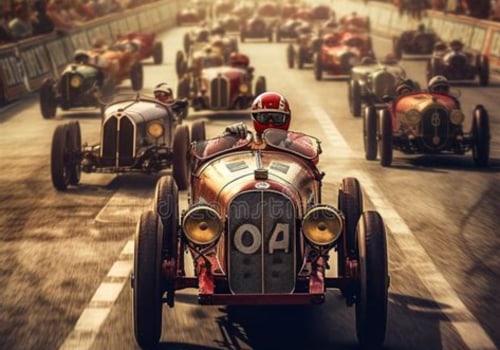
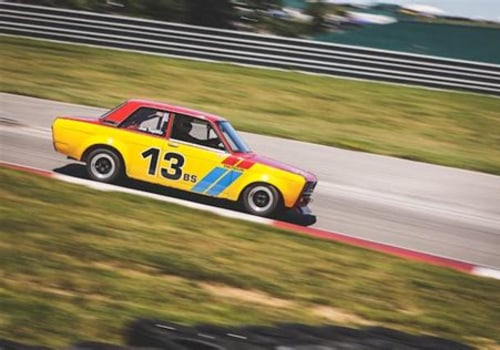
Vintage car racing is more than just a thrilling motorsport; it is a celebration of automotive history and craftsmanship. This unique form of racing features classic cars, typically manufactured before 1975, that have been meticulously restored or maintained to preserve their original charm and performance. The allure of vintage car racing lies not only in the roar of engines and the sleek lines of these historic vehicles but also in the stories they tell about the evolution of automotive technology and design. The roots of vintage car racing can be traced back to the early 20th century when automobile enthusiasts began organizing informal races to showcase their prized possessions. Over the decades, these gatherings evolved into formal events, with dedicated organizations establishing rules and classifications to ensure fair competition.
Today, vintage car racing events attract participants and spectators from all walks of life, creating a vibrant community that cherishes the nostalgia and excitement associated with these classic machines. As we delve deeper into the impact of vintage car racing on local communities, it becomes clear that these events serve as more than just a platform for competition. They foster a sense of camaraderie among participants and fans alike, while also boosting local economies through tourism and related activities. Understanding the significance of vintage car racing allows us to appreciate its role in preserving automotive heritage and its positive influence on community engagement.
Economic Benefits of Vintage Car Races
Vintage car racing is not just a thrilling spectacle for enthusiasts; it also serves as a significant catalyst for local economies. The influx of participants and spectators during these events can lead to substantial economic benefits for the host community.One of the most immediate impacts is the boost in tourism.Vintage car races attract visitors from various regions, often leading to increased bookings in local hotels, motels, and vacation rentals. These visitors typically spend on dining, entertainment, and shopping, which directly benefits local businesses.
- Local Business Benefits: Restaurants and cafes experience a surge in customers, while shops selling memorabilia or automotive parts see increased foot traffic. This spike in demand can lead to higher sales and even the hiring of additional staff to accommodate the influx.
- Job Creation: Beyond immediate sales boosts, vintage car races can create long-term job opportunities. Event organizers often require local vendors for food, merchandise, and services, fostering partnerships that can last beyond the race weekend.
Local governments may invest in infrastructure improvements or marketing campaigns to promote future events, further solidifying the economic impact of vintage car racing.In summary, vintage car racing not only entertains but also enriches local economies through tourism, increased business for local vendors, and job creation. As communities embrace these events, they unlock new avenues for growth and sustainability.
Cultural Significance of Vintage Car Racing
Vintage car racing is more than just a thrilling spectacle; it serves as a vital cultural touchstone for many communities. The events surrounding these races often bring together individuals from diverse backgrounds, united by a shared passion for automotive history and engineering excellence.One of the most significant impacts of vintage car racing is its ability to foster a strong community identity. Local enthusiasts often form clubs and organizations dedicated to preserving the history and culture of classic automobiles.These groups not only participate in races but also host events, workshops, and exhibitions that educate the public about the significance of vintage cars. This collective effort helps to create a sense of belonging among members, reinforcing local ties and traditions.Moreover, vintage car racing plays a crucial role in heritage preservation. Many communities use these events as opportunities to showcase their historical landmarks and promote local businesses. For instance, race weekends often attract tourists who contribute to the local economy by dining at restaurants, staying in hotels, and shopping at local stores.
This influx of visitors can lead to increased funding for community projects aimed at preserving local heritage.Additionally, the stories behind each vintage car often reflect the broader narrative of the community's history. Owners frequently share tales of restoration efforts, family legacies, and personal connections to specific models or brands. These narratives enrich the cultural fabric of the community, allowing residents to connect with their past while celebrating their shared passion for automobiles.In conclusion, vintage car racing is not merely an event; it is a celebration of community identity and a powerful tool for cultural preservation. By bringing people together and highlighting local heritage, these races contribute significantly to the social and economic vitality of their host communities.
Community Engagement and Participation
Vintage car racing is not just a thrilling spectacle for enthusiasts; it also serves as a catalyst for community engagement and participation.Local residents often find themselves drawn into the excitement, whether through volunteering, attending events, or participating in related activities.
Volunteer Opportunities
- Many vintage car racing events rely heavily on volunteers to help with logistics, setup, and crowd management. This provides an excellent opportunity for community members to get involved and contribute to the success of the event.
- Volunteering at these races can also foster a sense of camaraderie among participants, as they work together towards a common goal—creating an unforgettable experience for both racers and spectators.
Local Events and Festivals
- Vintage car races often coincide with local festivals, attracting visitors from outside the area. This influx can boost local businesses, from restaurants to hotels, creating a vibrant atmosphere that benefits everyone.
- Community members frequently attend these events not only to watch the races but also to enjoy related activities such as car shows, live music, and food vendors. These gatherings strengthen community ties and promote local culture.
Engagement Through Education
- Many vintage car racing events include educational components, such as workshops or demonstrations on car restoration and maintenance.
This allows community members to learn valuable skills while deepening their appreciation for vintage automobiles.
- Schools and local organizations may also partner with racing events to provide students with hands-on experiences in automotive technology, fostering interest in STEM fields.
Environmental Considerations of Vintage Car Racing
As the popularity of vintage car racing continues to grow, so do the environmental concerns associated with this thrilling motorsport. While these events celebrate automotive history and craftsmanship, they also raise questions about their environmental impact.One of the primary concerns is the emissions produced by older vehicles. Many vintage cars were built before modern emissions standards were established, leading to higher levels of pollutants being released into the atmosphere during races.However, enthusiasts and organizers are increasingly aware of these issues and are taking steps to mitigate them.
Sustainability in Racing
To address environmental concerns, some vintage racing organizations are implementing sustainable practices. These include:- Use of alternative fuels: Some racers are experimenting with biofuels or other eco-friendly alternatives that can reduce carbon footprints.
- Carbon offset programs: Many racing events now offer participants the option to contribute to carbon offset initiatives, helping to balance out emissions generated during races.
- Recycling and waste management: Organizers are adopting better waste management practices at events, ensuring that materials are recycled and disposed of responsibly.
By embracing innovative practices and fostering a culture of responsibility, vintage racing can continue to thrive without compromising the health of our planet.
Challenges Faced by Vintage Car Racing Events
Organizing vintage car racing events can be an exhilarating endeavor, but it is not without its challenges. One of the primary hurdles faced by organizers is navigating the complex web of regulatory issues. Local governments often impose strict regulations regarding noise levels, safety standards, and environmental impact. These regulations can vary significantly from one municipality to another, making it essential for organizers to conduct thorough research and engage with local authorities early in the planning process.In addition to regulatory challenges, organizers must also contend with potential community opposition.While many residents may appreciate the excitement and tourism that vintage car races bring, others may express concerns about noise pollution, traffic congestion, and safety risks. To mitigate these issues, it is crucial for organizers to foster open communication with the community. Hosting informational meetings and providing platforms for residents to voice their concerns can help build trust and support.Moreover, securing sponsorships and funding can be another significant challenge. Many vintage car racing events rely on local businesses for financial support, but convincing them of the event's value can be difficult.
Organizers must present a compelling case that highlights the potential economic benefits, such as increased foot traffic and sales during race weekends.Finally, logistical challenges such as securing appropriate venues and ensuring adequate infrastructure are vital considerations. Vintage car races often require large open spaces with specific track layouts, which may not always be readily available. Additionally, organizers must ensure that there are sufficient facilities for participants and spectators alike, including parking, restrooms, and food vendors.In summary, while vintage car racing events can significantly benefit local communities, they come with a unique set of challenges that require careful planning and community engagement to overcome.
FAQs About Vintage Car Racing and Community Impact
Vintage car racing is not just a thrilling spectacle; it also plays a significant role in enhancing local communities. Here are some frequently asked questions that delve into the community impact of these events:What are the economic benefits of vintage car racing for local communities?
Vintage car races can significantly boost the local economy.When these events take place, they attract visitors from various regions, leading to increased spending in local businesses such as hotels, restaurants, and shops.
Local tourism
often sees a spike, as attendees may extend their stay to explore the area.How does vintage car racing promote community engagement?
These races often serve as a gathering point for car enthusiasts and families alike. They foster a sense of community by bringing people together who share a passion for classic automobiles. Many events include activities such as:- Car shows featuring local restorers and collectors
- Workshops on vintage car maintenance and restoration
- Charity events that support local causes
What are the environmental impacts of vintage car racing?
While some may argue that vintage car racing contributes to pollution, many events are increasingly adopting sustainable practices.Organizers often implement measures such as:
- Using biofuels or alternative energy sources
- Encouraging carpooling among attendees
- Promoting recycling and waste reduction at events
Why should locals attend vintage car races?
Attending vintage car races offers numerous benefits for locals, including:- Entertainment: Enjoy thrilling races and admire beautifully restored vehicles.
- Networking: Meet fellow enthusiasts and industry professionals.
- Cultural appreciation: Learn about automotive history and craftsmanship.
Conclusion: The Lasting Legacy of Vintage Car Racing on Communities
In conclusion, the impact of vintage car racing on local communities is profound and multifaceted. As we have explored, these events not only celebrate automotive history but also foster a sense of community pride and engagement. The influx of visitors during racing events stimulates local economies, providing a boost to small businesses such as restaurants, hotels, and shops.Moreover, vintage car races often serve as a platform for community bonding. Families and friends gather to enjoy the thrill of the races, creating lasting memories and traditions.This shared experience can strengthen local ties and encourage collaboration among residents.Additionally, many vintage car racing events are committed to supporting local charities and initiatives. By partnering with non-profit organizations, these races can raise significant funds for important causes, further embedding themselves into the fabric of the community.Furthermore, the preservation of classic cars promotes an appreciation for automotive history and engineering. Local enthusiasts often engage in workshops and educational programs that inspire younger generations to learn about mechanics and design.In summary, vintage car racing is more than just a thrilling spectacle; it is a catalyst for economic growth, community engagement, charitable support, and educational opportunities. As communities continue to embrace these events, they not only honor the past but also pave the way for a vibrant future.