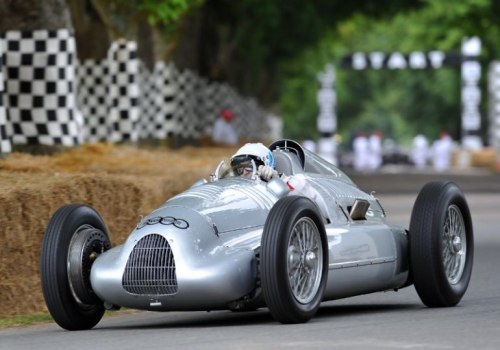
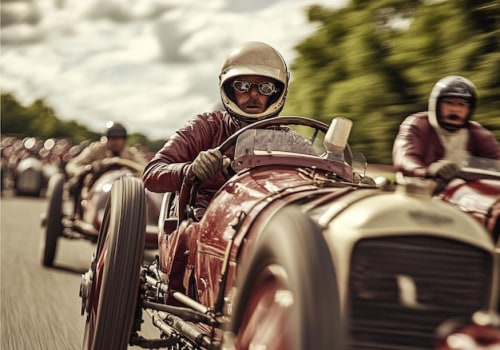
Vintage car racing is a thrilling motorsport that celebrates the beauty and engineering of classic automobiles, typically those manufactured before 1972. This unique form of racing not only showcases the performance capabilities of these historic vehicles but also serves as a nostalgic journey through automotive history. Enthusiasts and collectors alike are drawn to vintage car racing for its blend of competition, craftsmanship, and camaraderie among participants who share a passion for preserving the legacy of these remarkable machines. The definition of vintage car racing extends beyond mere competition; it embodies a lifestyle and a community dedicated to the appreciation of automotive heritage. Races are often held on iconic tracks and scenic road courses, where drivers navigate their vintage cars with skill and precision, all while adhering to regulations that ensure safety and authenticity. This adherence to historical accuracy not only enhances the racing experience but also educates spectators about the evolution of automotive design and technology. As we delve deeper into the world of vintage car racing, we will explore its significance in preserving automotive history, the various types of events that take place, and the passionate individuals who dedicate their time and resources to this exhilarating sport.
Whether you are a seasoned racer or a curious newcomer, understanding the essence of vintage car racing will enrich your appreciation for these timeless vehicles and the stories they tell.
The History of Vintage Car Racing
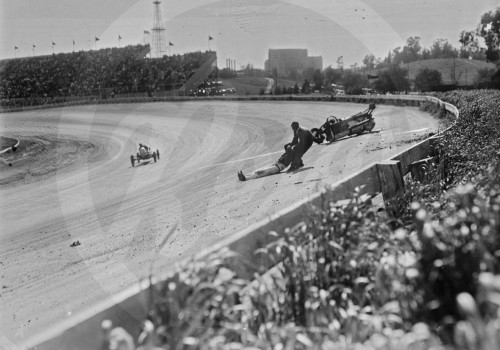
Vintage car racing has a rich and storied history that dates back to the early 20th century, when automobiles began to gain popularity. The origins of this thrilling sport can be traced to the first organized races, which were held on public roads and tracks, showcasing the speed and engineering prowess of early automobiles.One of the earliest recorded events was the Paris-Rouen race in 1894, often considered the first automobile competition. This event set the stage for future races and ignited public interest in motor racing. As technology advanced, so did the vehicles, leading to more structured competitions.The Evolution of Vintage Car Racing
By the 1920s and 1930s, vintage car racing began to take shape as a distinct category, with enthusiasts gathering to celebrate classic cars.Events like the Mille Miglia, which started in 1927, became iconic, attracting participants from around the world. These races not only tested speed but also endurance and skill, as drivers navigated challenging routes.
- 1950s-1960s: The post-war era saw a surge in interest for vintage cars, with many manufacturers producing models that would later become classics.
- 1970s: The establishment of dedicated vintage racing organizations helped formalize the sport, creating rules and classifications for different eras of vehicles.
- 1980s-Present: Vintage car racing has grown into a global phenomenon, with events held worldwide that celebrate both the cars and their history.
Types of Vintage Cars in Racing
Vintage car racing is a thrilling sport that showcases a variety of classic automobiles, each with its own unique characteristics and history. Understanding the different types of vintage cars used in racing can enhance the appreciation for this exciting pastime.- Pre-War Cars: These vehicles, built before World War II, are often characterized by their elegant designs and engineering innovations.
Models like the Bugatti Type 35 and Alfa Romeo 8C are celebrated for their speed and style, making them popular choices in vintage racing events.
- Post-War Classics: Cars manufactured from the late 1940s to the early 1960s fall into this category. They represent a significant evolution in automotive technology and design. Iconic models such as the Jaguar XK120 and Porsche 356 are frequently seen on the racetrack, showcasing their performance capabilities.
- Sports Cars: Vintage sports cars, like the Cobra and Lotus Elan, are designed for high performance and agility. Their lightweight frames and powerful engines make them favorites among racers who seek speed and maneuverability.
- Touring Cars: These vehicles are built for endurance and comfort, often featuring larger bodies and more spacious interiors.
Classic touring cars such as the Austin Healey 3000 have a rich history in racing, participating in events like the Mille Miglia.
- Formula Cars: Vintage formula cars, including models from the Formula Junior series, represent the pinnacle of racing technology from their respective eras. These open-wheel cars are known for their speed and precision on the track.
Major Vintage Car Racing Events
Vintage car racing is not just a sport; it’s a celebration of automotive history and engineering excellence.Across the globe, several major events showcase these classic machines, drawing enthusiasts and spectators alike.
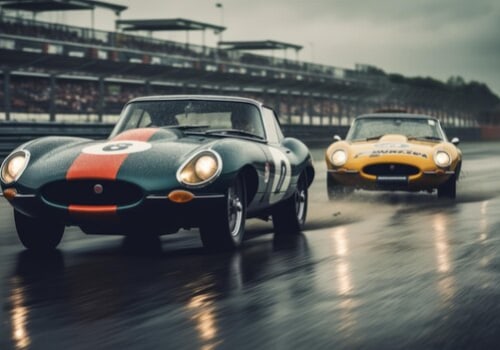
- The Goodwood Revival - Held annually in West Sussex, England, this event is a time capsule that transports visitors back to the golden age of motorsport. Featuring races from the 1940s to the 1960s, the Goodwood Revival is renowned for its strict adherence to period dress and its stunning collection of vintage cars. The atmosphere is electric as drivers compete in iconic models like the Jaguar E-Type and Ferrari 250.
- Monaco Historic Grand Prix - This prestigious event takes place every two years in the heart of Monaco. It features a variety of classic racing cars that have competed in the original Monaco Grand Prix.
The narrow streets and challenging corners provide a thrilling backdrop for both participants and fans, making it one of the most sought-after vintage racing experiences.
- Le Mans Classic - Celebrating the legendary 24 Hours of Le Mans, this event occurs every two years and showcases classic cars that have participated in the race throughout its history. With over 8,500 classic cars on display and numerous races across different categories, Le Mans Classic offers an immersive experience for vintage car aficionados.
- Pebble Beach Concours d'Elegance - While primarily known as a car show, this prestigious event in California also features vintage racing events. The Concours showcases some of the rarest and most beautifully restored cars in existence, with a focus on their racing heritage. The combination of elegance and speed makes it a must-visit for any vintage car enthusiast.
Whether you’re a participant or a spectator, attending these major vintage car racing events offers an unforgettable experience filled with nostalgia and excitement.
The Community and Culture of Vintage Car Racing
The world of vintage car racing is not just about the cars; it’s also about the vibrant community that surrounds this exhilarating sport. Enthusiasts from all walks of life come together, united by their passion for classic automobiles and the thrill of competition. This camaraderie fosters a unique culture that is both welcoming and engaging.Many vintage car racing enthusiasts join clubs that focus on specific makes or models, allowing them to connect with like-minded individuals. These clubs often organize events, track days, and social gatherings where members can share their experiences, knowledge, and love for vintage cars.Some popular clubs include:
- The Vintage Sports Car Club - Known for its rich history and diverse membership.
- The Classic Car Club - Focuses on preserving and racing classic vehicles.
- The Historic Racing Association - Dedicated to promoting historic motorsport.
This dedication not only enhances the racing experience but also ensures that future generations can appreciate these automotive masterpieces.Ultimately, the community aspect of vintage car racing enriches the experience for everyone involved. Whether you are a seasoned racer or a newcomer, there is always a place for you in this passionate community. The bonds formed through shared experiences create lasting memories and a sense of belonging that is truly special.
Safety Considerations in Vintage Car Racing
Participating in vintage car racing can be an exhilarating experience, but it also comes with its own set of safety considerations. Ensuring the safety of both drivers and spectators is paramount, and there are several key measures that participants should take into account.Essential Safety Equipment
- Helmets: A high-quality, certified racing helmet is essential.
Look for helmets that meet the latest safety standards to protect against head injuries.
- Fire Suits: Wearing a fire-resistant suit can significantly reduce the risk of burns in the event of an accident. Ensure that the suit fits well and is made from appropriate materials.
- Gloves and Shoes: Fire-resistant gloves and shoes are also crucial. They provide better grip and control while protecting against heat and flames.
- Roll Cages: A well-constructed roll cage can protect drivers in case of a rollover. Ensure that your vintage car is equipped with a roll cage that meets racing regulations.
- Seat Belts: Modern 5-point harnesses are recommended for vintage cars to keep drivers securely in place during high-speed maneuvers.
Pre-Race Safety Checks
Before hitting the track, conduct thorough pre-race inspections of your vehicle.This includes checking:
- Tire condition and pressure
- Brakes functionality
- Fluid levels (oil, coolant, etc.)
- Electrical systems
On-Track Safety Tips
While racing, always maintain situational awareness. Here are some tips to enhance safety on the track:- Stay Alert: Keep an eye on other racers and be aware of your surroundings at all times.
- Avoid Aggressive Maneuvers: While competition is fierce, reckless driving can lead to accidents. Drive within your limits.
- Communicate: Use hand signals or radio communication to inform other racers of your intentions, especially when overtaking.
FAQs About Vintage Car Racing
When it comes to vintage car racing, enthusiasts often have a plethora of questions.Here are some of the most frequently asked questions that can help clarify common misconceptions and provide deeper insights into this thrilling motorsport.
What defines a vintage car?
A vintage car is typically defined as a vehicle that was manufactured between 1919 and 1930. However, the term can vary based on different organizations and racing events. In the context of vintage car racing, cars from the 1930s to the early 1970s are often included, depending on the specific rules of the event.Is vintage car racing safe?
While vintage car racing does involve inherent risks, many organizations prioritize safety by enforcing strict regulations. Drivers are required to wear safety gear, and cars must meet specific safety standards.Additionally, tracks often have safety features in place to minimize risks during races.
Can anyone participate in vintage car racing?
Participation in vintage car racing typically requires owning a qualifying vehicle and obtaining a racing license. Many events also require drivers to have prior racing experience or to complete a training program. This ensures that all participants are adequately prepared for the challenges of racing.What are common misconceptions about vintage car racing?
- Myth: Vintage cars are slow and not competitive.
- Fact: Many vintage cars are highly competitive and can reach impressive speeds, showcasing both skill and engineering from their era.
- Myth: Vintage car racing is only for wealthy individuals.
- Fact: While some participants invest significantly in their vehicles, there are many affordable options for entry-level racers.
Conclusion: The Enduring Appeal of Vintage Car Racing
In conclusion, vintage car racing stands as a testament to the rich history and enduring passion for automobiles that transcends generations. Throughout this article, we have explored the origins of vintage car racing, its unique appeal, and the vibrant community that surrounds it.The combination of nostalgia, craftsmanship, and competition creates an atmosphere that is both exhilarating and deeply rooted in tradition.The allure of vintage car racing lies not only in the thrill of the race but also in the stories behind each vehicle. Every car has a history, a legacy that enthusiasts cherish and celebrate. This connection to the past fosters a sense of camaraderie among racers and fans alike, as they share their experiences and knowledge about these remarkable machines.
- Preservation of History: Vintage car racing plays a crucial role in preserving automotive history. By maintaining and racing these classic vehicles, enthusiasts ensure that future generations can appreciate the engineering marvels of yesteryear.
- Community Engagement: The vintage car racing community is welcoming and passionate.
Events often bring together people from diverse backgrounds who share a common love for classic cars, fostering friendships and collaborations.
- Skill Development: For many participants, vintage car racing is not just about speed; it’s also about honing driving skills and understanding vehicle dynamics. This pursuit of excellence adds another layer of excitement to the sport.