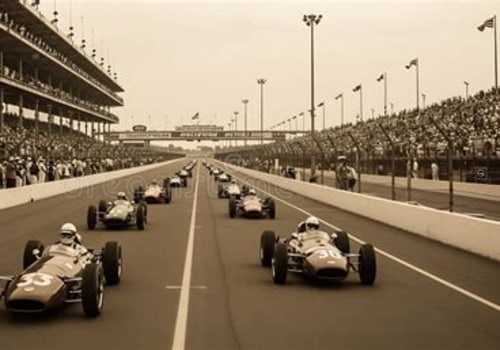
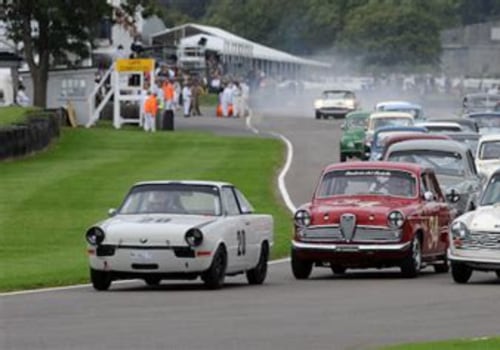
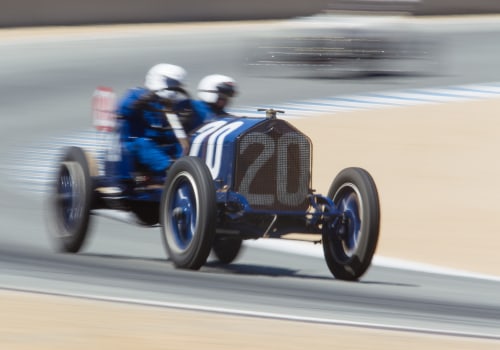
Vintage car racing is more than just a thrilling spectacle; it is a vibrant celebration of automotive history and culture. Enthusiasts gather at racetracks around the country, showcasing their meticulously restored classic cars, each with its own unique story. These events not only provide an adrenaline rush for participants and spectators alike but also serve as a crucial platform for the preservation of classic cars. By participating in vintage races, owners demonstrate their commitment to maintaining these automotive treasures, ensuring that they remain a part of our cultural heritage. The significance of vintage car racing extends beyond the roar of engines and the excitement of competition.
It fosters a community of like-minded individuals who share a passion for classic automobiles. This camaraderie encourages knowledge sharing about restoration techniques, maintenance practices, and the historical context of various models. As racers and fans engage in discussions about their favorite vehicles, they cultivate an appreciation for the craftsmanship and engineering that went into these classics, further solidifying their importance in the automotive world. Moreover, vintage racing events often attract media attention and sponsorships, which can lead to increased awareness and interest in classic cars. This visibility is vital for promoting classic car preservation, as it highlights the need to protect these vehicles from neglect or deterioration.
As more people become aware of the beauty and significance of vintage cars, there is a greater likelihood that they will support initiatives aimed at preserving them for future generations. In this way, vintage car racing not only entertains but also plays a pivotal role in safeguarding our automotive heritage.
The History of Vintage Car Racing
The origins of vintage car racing can be traced back to the early 20th century, when automobile manufacturers began to showcase their engineering prowess through competitive events. The first organized race, the Paris-Bordeaux-Paris in 1895, marked a significant milestone, setting the stage for future competitions that would celebrate speed and innovation.As the automotive industry evolved, so did the nature of racing. By the 1920s and 1930s, events like the Mille Miglia in Italy and the Le Mans 24 Hours in France became iconic, attracting both participants and spectators who were passionate about classic cars.These races not only highlighted the performance of vintage vehicles but also fostered a community dedicated to preserving these automotive treasures.In the post-World War II era, vintage racing events gained popularity as enthusiasts sought to relive the golden age of motorsport. The establishment of organizations such as the Vintage Sports Car Club (VSCC) in the UK and similar clubs worldwide played a crucial role in promoting classic car races. These clubs organized events that allowed owners to race their vintage cars in a safe and regulated environment, ensuring that these vehicles were not only preserved but also celebrated.Today, vintage car racing has evolved into a global phenomenon, with events like the Goodwood Revival and Pebble Beach Concours d'Elegance drawing thousands of fans. These gatherings serve as both a tribute to automotive history and a platform for enthusiasts to share their passion for classic cars.
The evolution of vintage car racing has not only kept the spirit of these vehicles alive but has also instilled a sense of responsibility among owners to maintain and restore their cars to their original glory.In summary, understanding the history of vintage car racing is essential for appreciating its role in preserving classic cars. From its humble beginnings to its current status as a celebrated sport, vintage racing continues to inspire new generations of car lovers while safeguarding the legacy of automotive craftsmanship.
How Vintage Car Races Foster Community and Enthusiasm
Vintage car races serve as a vibrant hub for car enthusiasts, fostering a unique sense of community that transcends mere competition. These events attract individuals from diverse backgrounds, all united by their passion for classic automobiles. The atmosphere at these races is electric, filled with camaraderie and shared stories that celebrate the rich history of each vehicle.One of the most significant benefits of vintage car racing is the opportunity it provides for enthusiasts to connect.Participants and spectators alike engage in conversations about restoration techniques, performance upgrades, and the intricate details that make each classic car special. This exchange of knowledge not only enhances individual understanding but also strengthens the community as a whole.
- Networking Opportunities: Vintage car races often feature meet-and-greet sessions, allowing collectors and fans to network, share resources, and even collaborate on restoration projects.
- Shared Passion: The mutual love for classic cars creates lasting friendships, as attendees bond over their favorite models and racing experiences.
- Support for Preservation: Many racing events include educational components that emphasize the importance of preserving these vehicles, encouraging participants to invest time and resources into maintaining their classics.
By bringing people together and promoting knowledge sharing, these events play a crucial role in the ongoing preservation of classic cars.
Economic Impact of Vintage Car Racing on Preservation Efforts
Vintage car racing not only captivates enthusiasts but also plays a crucial role in the economic preservation of classic automobiles. The financial influx generated by these events significantly contributes to the restoration and maintenance of vintage vehicles.Sponsorships and Partnerships
- Many vintage car races attract sponsorships from automotive companies, local businesses, and even global brands. These sponsorships provide essential funding that can be directed towards restoration projects.
- By partnering with vintage racing events, sponsors gain visibility among a dedicated audience, creating a mutually beneficial relationship that supports the preservation of classic cars.
Ticket Sales and Event Revenue
- Ticket sales from vintage car races contribute significantly to the overall revenue generated by these events. This income can be reinvested into preservation efforts, ensuring that classic cars are maintained for future generations.
- Additionally, many races include merchandise sales, food vendors, and other attractions that further enhance revenue streams, all of which can support restoration initiatives.
Community Engagement and Funding
- Vintage car races often foster a sense of community among enthusiasts, leading to grassroots fundraising efforts aimed at restoring specific vehicles or collections.
- Local clubs and organizations frequently organize events around these races, pooling resources to fund restoration projects that might otherwise lack financial support.
Through sponsorships, ticket sales, and community engagement, these events play a pivotal role in funding the restoration and preservation of classic cars, ensuring that they remain a cherished part of automotive history.
The Role of Organizations and Clubs in Vintage Racing
Organizations and clubs dedicated to vintage car racing play a crucial role in the preservation of classic cars. These groups not only foster a sense of community among enthusiasts but also actively promote the maintenance and restoration of vintage vehicles.Vintage car clubs
serve as a hub for like-minded individuals who share a passion for classic automobiles. Members often exchange knowledge, resources, and tips on restoration techniques, ensuring that the skills required to maintain these vehicles are passed down through generations. Many clubs organize workshops and seminars that focus on various aspects of car restoration, from mechanical repairs to bodywork and paint.In addition to education, these organizations frequently host events such as car shows, rallies, and races that celebrate vintage automobiles.Such events not only showcase the beauty and craftsmanship of classic cars but also raise awareness about their historical significance. By participating in these gatherings, members can demonstrate their commitment to preserving automotive history while inspiring others to appreciate and care for vintage vehicles.Moreover, many clubs collaborate with local and national organizations that support classic cars. These partnerships can lead to initiatives aimed at protecting vintage vehicles from regulations that may threaten their existence. For instance, some clubs advocate for legislative changes that exempt classic cars from certain emissions standards, allowing owners to maintain their vehicles without facing undue financial burdens.Ultimately, the efforts of organizations supporting classic cars extend beyond mere racing; they create a vibrant ecosystem where preservation is prioritized.
By fostering camaraderie among enthusiasts and advocating for the interests of vintage car owners, these clubs ensure that the legacy of classic automobiles continues to thrive for future generations.
Challenges Facing Vintage Car Preservation Through Racing
While vintage car racing serves as a thrilling platform for showcasing classic automobiles, it also presents several challenges that can hinder the preservation of these cherished vehicles. The inherent risks associated with racing, combined with the demands of maintaining older cars, create a complex landscape for enthusiasts and collectors alike.Wear and Tear
One of the most significant challenges in preserving classic cars through racing is the wear and tear that occurs during competitive events. Vintage cars, often built with materials and technologies from decades past, are not designed to withstand the rigors of modern racing. Components such as tires, brakes, and engines can suffer extensive damage, leading to costly repairs and potential loss of originality.Safety Concerns
Safety is another critical issue when it comes to vintage car racing.Many classic cars lack modern safety features, making them more vulnerable in high-speed situations. This raises concerns not only for the drivers but also for spectators. As a result, some vintage racing events have implemented stricter safety regulations, which may require modifications that could compromise the authenticity of the vehicles.
Maintenance Issues
The maintenance of vintage race cars poses its own set of challenges. Regular participation in races demands frequent inspections and repairs, which can lead to a cycle of deterioration if not managed carefully.Owners must balance the need for performance with the desire to maintain the car's historical integrity. This often results in difficult decisions about whether to restore a part to its original condition or replace it with modern equivalents that enhance reliability.In conclusion, while vintage car racing plays a vital role in promoting interest in classic automobiles, it also brings forth significant challenges related to preservation. Enthusiasts must navigate the delicate balance between competition and conservation to ensure that these iconic vehicles continue to be celebrated for generations to come.
FAQs About Vintage Car Racing and Preservation
Vintage car racing not only provides thrilling entertainment but also plays a crucial role in the preservation of classic cars. Below are some frequently asked questions that shed light on this relationship.What are the common concerns about vintage racing?
- Safety: Many enthusiasts worry about the safety of participating in vintage races.
However, strict regulations and safety measures are in place to protect drivers and spectators alike.
- Wear and Tear: Some fear that racing can lead to significant wear on classic cars. While it’s true that racing can be demanding, many owners take great care to maintain their vehicles, often leading to better overall preservation.
- Authenticity: There is concern about modifications that may compromise a car's authenticity. Vintage racing organizations often have guidelines to ensure that cars remain as close to their original specifications as possible.
How does vintage car racing contribute to preservation?
Participating in vintage car races encourages owners to invest in the maintenance and restoration of their vehicles. This not only keeps the cars in excellent condition but also fosters a community of enthusiasts dedicated to preserving automotive history.What are some preservation tips for vintage cars?
- Regular Maintenance: Schedule routine check-ups and maintenance to keep your vintage car running smoothly.
- Proper Storage: Store your classic car in a climate-controlled environment to protect it from extreme temperatures and humidity.
- Use Quality Parts: When replacing parts, opt for high-quality or original components to maintain authenticity and performance.
- Join a Community: Engage with local vintage car clubs or online forums for advice, support, and resources related to preservation.
Conclusion: The Lasting Impact of Vintage Car Racing on Classic Car Preservation
In conclusion, vintage car racing serves as a vital catalyst for the preservation of classic automobiles, ensuring that these magnificent machines are not only celebrated but also maintained for future generations.Throughout this article, we have explored several key aspects that highlight the significance of vintage car racing in the realm of classic car preservation.
- Community Engagement: Vintage car races foster a passionate community of enthusiasts who share a common goal: to keep classic cars alive. This sense of camaraderie encourages knowledge sharing and collaboration among owners, restorers, and fans.
- Restoration and Maintenance: The competitive nature of vintage racing motivates owners to invest in the restoration and upkeep of their vehicles. This not only enhances the performance of these cars but also ensures that they remain in excellent condition for years to come.
- Awareness and Education: Events centered around vintage car racing often include educational components that inform attendees about the history and significance of classic cars. This awareness helps cultivate a new generation of enthusiasts who appreciate the artistry and engineering behind these vehicles.
- Economic Impact: Vintage car races can stimulate local economies by attracting visitors and generating revenue through tourism.
This economic incentive can lead to increased support for preservation efforts within communities.