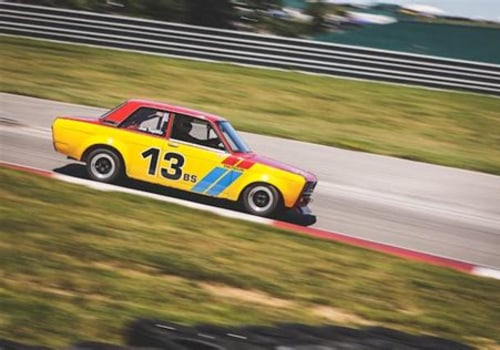
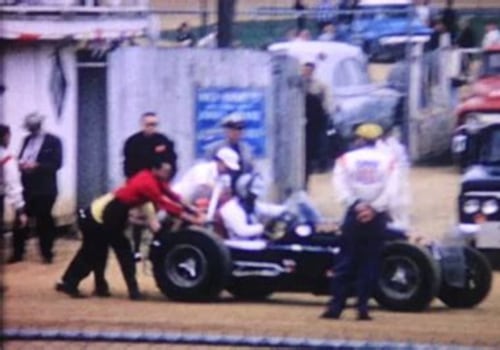
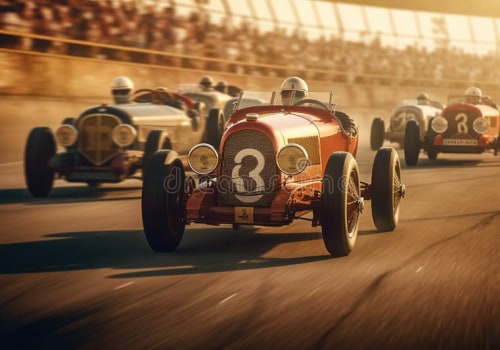
Vintage car racing is not just a sport; it is a celebration of automotive history, craftsmanship, and the thrill of competition. This exhilarating pastime allows enthusiasts to showcase classic vehicles that have stood the test of time, often dating back to the early 20th century. The allure of vintage car racing lies in its unique blend of nostalgia and adrenaline, drawing participants and spectators alike to events that echo the golden age of motorsport. The history of vintage car racing is rich and varied, with roots tracing back to the early days of automobile manufacturing. As cars evolved, so did the desire to test their limits on the racetrack.
Events began to emerge in the 1950s and 1960s, where drivers would compete in races featuring iconic models from brands like Ferrari, Bugatti, and Aston Martin. These races not only highlight the engineering marvels of their time but also foster a community of passionate individuals dedicated to preserving automotive heritage. Integral to the success and safety of these events are race officials, whose roles are paramount in ensuring fair play and adherence to regulations. They are responsible for overseeing every aspect of a race, from pre-event inspections to post-race evaluations. Their expertise helps maintain a level playing field while prioritizing the safety of drivers and spectators alike.
Without the diligent work of race officials, the integrity and excitement of vintage car racing could be compromised, making their role essential in this thrilling sport.
The Responsibilities of Race Officials in Vintage Car Racing
In the world of vintage car racing, race officials play a crucial role in ensuring that events run smoothly and safely. Their responsibilities encompass a wide range of duties that are essential for maintaining order on the track and upholding the integrity of the sport.- Pre-Race Inspections: Before any race begins, officials conduct thorough inspections of all participating vehicles. This includes checking for compliance with safety regulations, verifying that cars meet vintage specifications, and ensuring that all necessary equipment is in place.
- Race Day Coordination: On race day, officials are responsible for coordinating the event schedule. They manage the timing of practice sessions, qualifying rounds, and the main race, ensuring that everything proceeds according to plan.
- Safety Monitoring: One of the primary duties of race officials is to monitor safety conditions throughout the event.
This includes overseeing track conditions, managing pit stops, and ensuring that all safety protocols are followed by drivers and teams.
- Enforcement of Rules: Race officials enforce the rules and regulations governing vintage car racing. They have the authority to penalize drivers for infractions such as speeding in the pits or unsafe driving practices, which helps maintain fair competition.
- Crisis Management: In the event of an accident or emergency, race officials are trained to respond quickly. They coordinate rescue efforts, communicate with medical teams, and make decisions regarding race stoppages or delays to ensure participant safety.
Types of Race Officials in Vintage Car Racing
In the world of vintage car racing, the smooth operation of events relies heavily on a dedicated team of race officials.Each official plays a crucial role in ensuring that races are conducted safely, fairly, and in accordance with established regulations. Below are the primary types of race officials you will encounter in vintage car racing:
- Chief Steward: The chief steward is the head official responsible for overseeing the entire event. This individual ensures that all rules and regulations are followed, mediates disputes, and has the final say on any decisions regarding race conduct.
- Technical Inspectors: These officials are tasked with ensuring that all participating vehicles comply with the technical specifications set forth by the governing body. They inspect cars before and after races to verify that they meet safety standards and performance criteria.
- Flag Marshals: Positioned around the track, flag marshals communicate important information to drivers using colored flags.
They signal various conditions such as caution, danger, or the end of a race, playing a vital role in maintaining safety on the track.
- Timing Officials: Responsible for recording lap times and overall race results, timing officials ensure that all data is accurate and promptly reported. Their work is essential for determining race outcomes and for any potential appeals.
- Grid Marshals: These officials manage the starting grid, ensuring that cars are lined up correctly before the race begins. They help maintain order during the start of the race, which is critical for safety.
The Importance of Safety Regulations in Vintage Car Racing
In the world of vintage car racing, safety is paramount.Race officials play a critical role in enforcing safety regulations that protect both participants and spectators. These regulations are designed to minimize risks associated with high-speed racing, where the combination of vintage vehicles and modern racing conditions can create unique challenges.
Role of Race Officials in Safety Enforcement
- Pre-Race Inspections: Before any race begins, officials conduct thorough inspections of each vehicle to ensure compliance with safety standards. This includes checking for proper safety equipment, such as helmets, harnesses, and fire extinguishers.
- Monitoring Track Conditions: Race officials are responsible for assessing track conditions before and during the event. They must ensure that the surface is safe for racing and that any hazards are promptly addressed.
- Emergency Preparedness: Officials must have emergency plans in place, including medical personnel on-site and clear communication protocols.
This preparedness is crucial for responding quickly to any incidents that may occur during the race.
The Importance of Safety Regulations
The implementation of safety regulations in vintage car racing is not merely a formality; it is essential for the well-being of everyone involved. These regulations help to:
- Protect Drivers: Vintage cars often lack modern safety features, making it vital for drivers to adhere to strict safety guidelines to reduce the risk of injury.
- Ensure Spectator Safety: With crowds often gathered close to the track, race officials must enforce barriers and other measures to keep spectators safe from potential accidents.
- Promote Fair Competition: By ensuring all participants meet safety standards, officials help maintain a level playing field where skill and strategy take precedence over mechanical advantages.
How Race Officials Ensure Fair Competition
In the world of vintage car racing, ensuring a level playing field is paramount for maintaining the integrity of the sport. Race officials play a crucial role in this process, implementing various measures to promote fair competition among participants.Pre-Race Inspections
- Before the race begins, officials conduct thorough inspections of all vehicles to ensure compliance with established regulations.
This includes checking for modifications that could provide an unfair advantage.
- Officials verify that each car meets safety standards, which not only protects the drivers but also ensures that no one has an edge due to unsafe practices.
Monitoring During the Race
During the event, race officials are vigilant in monitoring the competition. They are responsible for:
- Observing driver behavior to prevent unsportsmanlike conduct, such as aggressive driving or intentional collisions.
- Enforcing rules regarding track limits and corner cutting, which can significantly affect race outcomes.
- Utilizing technology, such as timing systems and video footage, to review incidents and ensure accurate decision-making.
Handling Disputes and Infractions
In the event of a dispute or infraction, race officials are tasked with:
- Investigating incidents thoroughly and impartially, gathering evidence from multiple sources to make informed decisions.
- Communicating clearly with drivers and teams about any penalties or rulings, ensuring transparency in their processes.
- Implementing a structured appeals process that allows participants to contest decisions if they believe they have been treated unfairly.
Challenges Faced by Race Officials in Vintage Car Racing
Race officials in vintage car racing face a unique set of challenges that require a blend of expertise, quick decision-making, and a deep understanding of the sport. One of the primary difficulties is ensuring the safety of both participants and spectators.Vintage cars, often lacking modern safety features, can pose significant risks during high-speed events. Officials must be vigilant in monitoring the condition of the vehicles and the track to prevent accidents.Another challenge is managing the diverse range of vehicles that participate in vintage car racing. Each car has its own specifications, performance capabilities, and quirks. This diversity can complicate race regulations and enforcement.
Officials must be well-versed in the rules governing each class of vehicle to ensure fair competition.
- Weather Conditions: Weather can dramatically affect race conditions. Rain or extreme heat can lead to slippery tracks or overheating engines, requiring officials to make quick decisions about race delays or cancellations.
- Technical Inspections: Before races, officials conduct thorough inspections to ensure compliance with safety standards. This process can be time-consuming and requires a keen eye for detail.
- Communication: Effective communication among officials, drivers, and support teams is crucial. Miscommunication can lead to confusion on the track, potentially resulting in dangerous situations.
They participate in regular workshops and simulations to stay updated on best practices and new technologies that can enhance safety and efficiency. Additionally, fostering strong relationships with drivers and teams helps create an environment of trust and cooperation, which is essential for smooth event execution.In conclusion, while the role of race officials in vintage car racing is fraught with challenges, their dedication to maintaining order and safety ensures that these thrilling events can continue to captivate audiences and participants alike.
The Evolution of Race Official Roles in Vintage Car Racing
The role of race officials in vintage car racing has undergone significant transformation since the inception of the sport. Initially, these officials were primarily responsible for ensuring that races were conducted fairly and safely, often with minimal formal training or standardized procedures. As the popularity of vintage car racing grew, so did the complexity of the events and the need for more structured oversight.Early Days: Informal Oversight
- In the early days of racing, officials were often local enthusiasts or club members who volunteered their time.
- Their primary duties included flagging, timing, and ensuring that participants adhered to basic safety protocols.
Mid-20th Century: Professionalization
- As vintage car racing gained traction, the roles of race officials began to professionalize.
- Organizations like the Sports Car Club of America (SCCA) established formal guidelines and training programs for officials.
- This period saw the introduction of specialized roles such as chief steward, technical inspector, and safety officer.
Modern Era: Comprehensive Responsibilities
- Today, race officials in vintage car racing are tasked with a wide array of responsibilities that extend beyond mere oversight.
- They ensure compliance with technical regulations, conduct pre-race inspections, and manage on-track incidents.
- Additionally, they play a crucial role in promoting safety by implementing stringent protocols and emergency response plans.
As the sport continues to evolve, so too will the responsibilities of those who oversee it, ensuring that vintage car racing remains both thrilling and safe for participants and spectators alike.
FAQs About Race Officials in Vintage Car Racing
When it comes to vintage car racing, the role of race officials is crucial for ensuring a safe and fair competition. Here are some frequently asked questions that clarify their responsibilities:What are the primary responsibilities of race officials in vintage car racing?
Race officials are responsible for a variety of tasks, including:- Safety oversight: Ensuring that all safety protocols are followed to protect drivers, crew members, and spectators.
- Rule enforcement: Monitoring the race to ensure that all participants adhere to the established rules and regulations.
- Timing and scoring: Accurately recording race times and positions to determine the winners.
- Incident management: Responding to accidents or mechanical failures on the track, including coordinating emergency services if necessary.
How do race officials ensure fairness during a vintage car race?
To maintain fairness, race officials implement several measures:- Pre-race inspections: Officials conduct thorough inspections of each vehicle to ensure compliance with technical specifications.
- Monitoring conduct: They observe driver behavior during the race to prevent unsportsmanlike conduct or dangerous maneuvers.
- Post-race reviews: After the race, officials may review footage and results to address any disputes or irregularities.
What qualifications do race officials need?
The qualifications for race officials in vintage car racing can vary, but typically include:- Experience in motorsports: Many officials have backgrounds in racing or automotive engineering.
- CERTIFICATION: Some organizations require officials to complete training programs or obtain certifications related to race officiating.
- Strong communication skills: Effective communication is essential for coordinating with drivers, teams, and other officials.
Conclusion: The Indispensable Role of Race Officials in Vintage Car Racing
In conclusion, the role of race officials in vintage car racing is not only vital but multifaceted, ensuring that each event runs smoothly and safely. Throughout this article, we have explored the various responsibilities that these officials undertake, from enforcing rules to maintaining safety standards. One of the primary functions of race officials is to oversee the adherence to regulations that govern vintage car racing.This includes verifying that all vehicles meet the necessary specifications and safety requirements, which is crucial given the unique characteristics of vintage cars. Their expertise helps to preserve the integrity of the sport while also protecting the participants. Moreover, race officials play a significant role in managing the event logistics. They coordinate with teams, drivers, and volunteers to ensure that everything from practice sessions to race day operations runs seamlessly. This level of organization is essential for minimizing risks and maximizing enjoyment for both participants and spectators. Additionally, the presence of experienced race officials fosters a sense of trust among competitors.
Knowing that there are knowledgeable individuals monitoring the race allows drivers to focus on their performance without worrying about potential unfair practices or safety issues. Ultimately, the indispensable role of race officials in vintage car racing cannot be overstated. Their commitment to upholding standards and ensuring a fair competition environment not only enhances the experience for everyone involved but also contributes to the longevity and reputation of this cherished motorsport. As we look to the future of vintage car racing, it is clear that these officials will continue to be a cornerstone of its success.