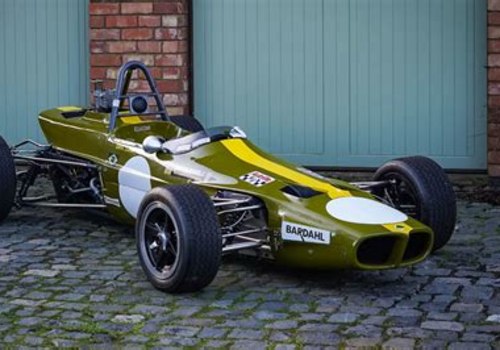
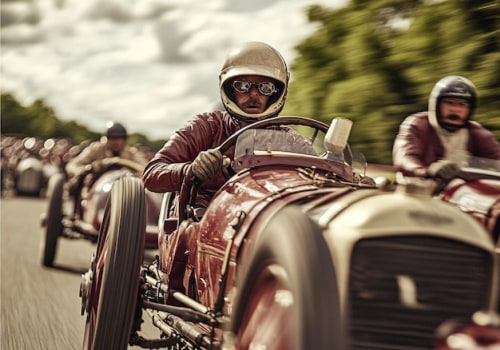
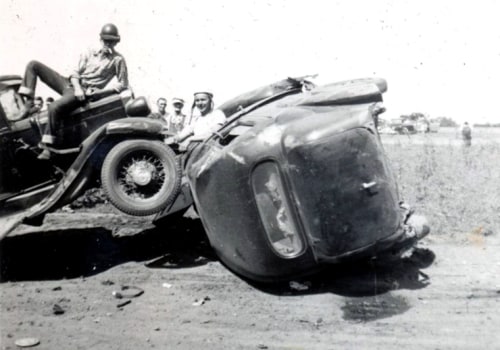
Vintage car racing is more than just a motorsport; it is a celebration of automotive history and craftsmanship. This thrilling activity involves racing cars that are typically over 30 years old, showcasing their unique designs and engineering marvels. The allure of vintage car racing lies not only in the adrenaline rush of competition but also in the nostalgia it evokes, connecting enthusiasts to a bygone era of automotive excellence.The roots of vintage car racing can be traced back to the early 20th century when automobile technology was rapidly evolving. As manufacturers began to produce faster and more powerful vehicles, racing became a popular pastime among the wealthy elite.
Events like the Mille Miglia in Italy and the Pebble Beach Concours d'Elegance in California have become iconic, drawing participants and spectators from around the globe. These events not only highlight the beauty and performance of classic cars but also serve as a reminder of the rich heritage that shapes today’s automotive landscape.Understanding the significance of vintage car racing is crucial for drivers preparing for these events. The preparation process is not merely about tuning the vehicle; it encompasses a deep appreciation for the history and culture surrounding these classic machines. Drivers must familiarize themselves with the specific characteristics of their vintage cars, including handling quirks and mechanical idiosyncrasies that can differ significantly from modern vehicles.
This knowledge is essential for ensuring both safety and performance on the track.
Choosing the Right Vintage Car
When it comes to vintage car racing, selecting the right vehicle is crucial for both performance and enjoyment. The choice of a vintage car can significantly impact a driver’s experience on the track, making it essential to consider various factors before making a decision.Performance and Specifications
One of the first steps in choosing a vintage car for racing is to evaluate its performance specifications. Key aspects to consider include:- Engine Power: Look for cars with robust engines that can deliver the necessary horsepower and torque for competitive racing.
- Weight-to-Power Ratio: A lighter car with a powerful engine often performs better on the track, providing better acceleration and handling.
- Suspension and Braking Systems: Ensure that the car has a well-designed suspension system and reliable brakes, as these are critical for maintaining control during high-speed maneuvers.
Best Vintage Cars for Racing
Some of the most popular choices among vintage racing enthusiasts include:- Jaguar XK120: Known for its speed and elegance, this classic car offers a perfect blend of performance and style.
- Porsche 356: With its lightweight design and agile handling, the Porsche 356 is a favorite among racers looking for a competitive edge.
- Austin Healey 3000: This car combines power with a classic design, making it an excellent choice for vintage racing events.
Personal Preference
While performance is key, personal preference also plays a significant role in selecting a vintage car. Drivers should consider factors such as:- Aesthetic Appeal: Choose a car that resonates with your personal style and passion for vintage automobiles.
- Comfort and Ergonomics: Ensure that the seating position and controls are comfortable, as this will enhance your driving experience during long races.
- Community and Support: Some vintage cars have larger communities and support networks, which can be beneficial for maintenance and racing tips.
By carefully considering these factors, drivers can enhance their chances of success on the track while enjoying the thrill of vintage car racing.
Mechanical Preparation and Maintenance
Preparing a vintage car for racing involves meticulous mechanical checks and maintenance to ensure both safety and optimal performance on the track. Given the unique characteristics of vintage vehicles, drivers must pay special attention to several key areas.- Engine Inspection: The heart of any vintage car is its engine. Drivers should check for oil leaks, inspect the condition of belts and hoses, and ensure that the spark plugs are clean and functioning properly. Regular oil changes and using the right type of oil can significantly enhance engine performance.
- Braking System: A reliable braking system is crucial for safety.
Drivers must inspect brake pads, rotors, and fluid levels. It’s advisable to replace any worn components before race day to avoid potential failures during the event.
- Tires: The tires are the only contact point between the car and the track. Checking tire pressure, tread depth, and overall condition is essential. Vintage cars often require specific tire types that can handle the demands of racing while maintaining authenticity.
- Suspension and Steering: A well-maintained suspension system ensures better handling and stability.
Drivers should examine shock absorbers, bushings, and alignment to guarantee that the car responds accurately to steering inputs.
- Fuel System: Ensuring that the fuel system is clean and functioning properly is vital for performance. Drivers should check fuel lines for leaks, clean fuel filters, and ensure that the carburetor is adjusted correctly for optimal fuel-air mixture.
By adhering to these essential maintenance tasks, drivers can ensure their vintage cars are race-ready and capable of delivering an exhilarating performance on race day.
Physical and Mental Preparation for Drivers
Preparing for a vintage car race involves rigorous physical and mental preparation that is crucial for drivers to perform at their best. The unique demands of racing vintage cars, which often require a blend of skill, endurance, and focus, necessitate a comprehensive training regimen.Physical Fitness for Racing
Physical fitness is paramount for drivers participating in vintage car racing. The intense concentration required during races can lead to physical fatigue, making it essential for drivers to maintain peak physical condition. Here are some key components of their physical training:- Cardiovascular Endurance: Drivers engage in aerobic exercises such as running, cycling, or swimming to enhance their stamina.
This helps them withstand the physical strain of long races.
- Strength Training: Core strength is vital for maintaining control over the vehicle. Weight training focusing on the upper body, core, and legs helps drivers manage the forces experienced during high-speed turns.
- Flexibility: Stretching routines and yoga are incorporated to improve flexibility, which aids in quick movements and reduces the risk of injury.
Mental Preparation for Racing
Mental preparation is equally important as it helps drivers stay focused and calm under pressure. The psychological aspects of racing can significantly impact performance. Here are some strategies drivers use:- Visualization Techniques: Many drivers practice visualization, where they mentally rehearse the race course and their driving techniques.
This helps build confidence and prepares them for various scenarios they may encounter on the track.
- Mindfulness and Relaxation: Techniques such as meditation or deep-breathing exercises are employed to reduce anxiety and enhance concentration. Staying calm can be a decisive factor in high-stress situations during a race.
- Race Simulation: Participating in practice runs or simulations allows drivers to familiarize themselves with the car's handling and the track layout, further boosting their mental readiness.
Understanding Race Regulations and Safety Protocols
Preparing for a vintage car race involves a thorough understanding of race regulations and safety protocols. These guidelines are essential not only for compliance but also for ensuring the safety of all participants on the track.Vintage Car Racing Regulations
- Eligibility Criteria: Each vintage car must meet specific age and model criteria to qualify for racing.
Typically, cars manufactured before a certain year are eligible, often set around 1975.
- Technical Specifications: Cars must adhere to technical specifications that include engine size, weight limits, and modifications. These specifications ensure a level playing field and maintain the integrity of vintage racing.
- Classifications: Races are often divided into classes based on the car's age, type, and performance capabilities. Understanding these classifications helps drivers know where they stand in the competition.
Safety Protocols in Racing
- Personal Safety Gear: Drivers are required to wear appropriate safety gear, including helmets, fire-resistant suits, gloves, and shoes. This gear is crucial for protecting drivers in case of an accident.
- Vehicle Safety Checks: Before the race, each car undergoes a comprehensive safety inspection.
This includes checking brakes, tires, fuel systems, and other critical components to ensure they are in optimal condition.
- Emergency Procedures: Familiarity with emergency procedures is vital. Drivers should know the location of medical personnel and understand the protocol for handling accidents on the track.
Practicing and Testing Before the Race Day
Preparing for a vintage car race involves more than just showing up on race day; it requires extensive practice sessions and thorough testing of both the driver and the vehicle. These preparatory steps are crucial for optimizing performance and ensuring safety on the track.Importance of Practice Sessions
- Familiarization with the Track: Each race track has its unique characteristics, including turns, elevation changes, and surface conditions.
Regular practice sessions allow drivers to become intimately familiar with these elements, which can significantly impact their racing strategy.
- Building Muscle Memory: Vintage car racing often requires precise handling and quick reflexes. By participating in practice sessions, drivers can develop muscle memory, making it easier to execute complex maneuvers during the actual race.
- Testing Car Performance: Practice sessions provide an opportunity to assess how well the vintage car performs under racing conditions. Drivers can identify any mechanical issues or adjustments needed to enhance speed and handling.
Testing Vintage Cars
Before race day, it’s essential to conduct comprehensive tests on the vintage car. This includes:
- Engine Diagnostics: Ensure that the engine is running smoothly and efficiently.
Any irregularities should be addressed well in advance.
- Tire Checks: Inspect tires for wear and proper inflation. The right tire pressure can greatly affect grip and performance on the track.
- Suspension and Brakes: Test the suspension system for responsiveness and check brakes for effectiveness. Both are critical for maintaining control during high-speed turns.
Pre-Race Practice Tips
- Set Realistic Goals: Focus on specific areas of improvement during practice sessions rather than trying to master everything at once.
- Record Data: Use telemetry systems to gather data on speed, braking points, and cornering techniques. Analyzing this data can provide insights into performance enhancements.
- Stay Hydrated and Rested: Physical fitness plays a significant role in racing performance.
Ensure you are well-rested and hydrated before practice sessions.
Race Day: Final Preparations and Strategies
On race day, the atmosphere is electric, and the excitement is palpable. However, for drivers participating in vintage car racing, the day is not just about adrenaline; it’s about meticulous preparation and strategic planning to ensure a successful race.Final Checks Before the Race
- Mechanical Inspection: Before heading to the track, drivers should conduct a thorough mechanical inspection of their vintage cars. This includes checking fluid levels, tire pressure, brakes, and ensuring that all safety equipment is in place.
- Fuel Quality: Using high-quality fuel is crucial for optimal performance.
Drivers should ensure that their tanks are filled with the appropriate fuel type for their vintage models.
- Safety Gear: Drivers must double-check their safety gear, including helmets, gloves, and racing suits. Ensuring that all equipment meets safety standards can prevent accidents on the track.
Strategic Considerations
- Understanding the Track: Familiarity with the track layout can significantly impact performance. Drivers should review track maps and consider any unique features or challenges that may affect their racing strategy.
- Pacing Strategy: Vintage cars often have different handling characteristics compared to modern vehicles. Drivers should develop a pacing strategy that balances speed with control, especially in turns and during overtaking maneuvers.
- Weather Conditions: Weather can play a significant role in race day performance.
Drivers should monitor forecasts and adjust their strategies accordingly, such as changing tire types or modifying driving techniques for wet conditions.
Post-Race Analysis and Maintenance
After the excitement of a vintage car race, the focus shifts to post-race maintenance and performance analysis. This phase is crucial for ensuring the longevity of the vehicle and improving future race outcomes.Analyzing Race Performance
Drivers should begin by reviewing their performance during the race. This includes:- Lap Times: Compare lap times to identify any inconsistencies or areas for improvement.
- Driving Techniques: Reflect on driving strategies used during the race, noting what worked well and what didn’t.
- Competitor Analysis: Observe competitors’ techniques and strategies to gain insights that could enhance your own performance.
Post-Race Maintenance
Once performance analysis is complete, it’s time to turn attention to the car itself.Proper maintenance after a race can prevent long-term damage and ensure optimal performance in future events. Key maintenance tasks include:
- Engine Inspection: Check for any leaks, unusual noises, or signs of wear. Regular oil changes and fluid checks are essential.
- Tire Condition: Inspect tires for wear and tear. Proper tire maintenance can significantly affect handling and speed.
- Brake System Check: Ensure that brakes are functioning correctly, as they are critical for safety and performance.
- Bodywork Assessment: Look for any cosmetic damage or structural issues that may have occurred during the race.
This not only enhances the car's appearance but also helps in identifying any potential issues that may have been overlooked during the initial inspection.By diligently analyzing race performance and conducting thorough maintenance, drivers can ensure their vintage cars remain in peak condition, ready for the next challenge on the track.
Frequently Asked Questions about Vintage Car Racing Preparation
Preparing for a vintage car race can be both exciting and daunting, especially for newcomers. Here are some frequently asked questions that can help guide you through the preparation process.What should I check on my vintage car before a race?
Before hitting the track, it’s crucial to conduct a thorough inspection of your vehicle. Here are key areas to focus on:- Engine performance: Ensure that the engine is running smoothly and that all fluids are at appropriate levels.
- Tires: Check for proper inflation and tread wear. Vintage tires may require special attention due to their age.
- Brakes: Inspect brake pads and fluid levels to ensure optimal stopping power.
- Suspension: Look for any signs of wear or damage that could affect handling.
How do I prepare mentally for a vintage car race?
Mental preparation is just as important as mechanical readiness.Here are some tips:
- Visualize the race: Spend time imagining yourself navigating the course successfully.
- Stay informed: Familiarize yourself with the track layout and any specific challenges it presents.
- Practice relaxation techniques: Techniques such as deep breathing can help manage pre-race nerves.
What tips do you have for new vintage racers?
If you’re new to vintage car racing, consider these helpful tips:- Join a community: Engage with local racing clubs or online forums to learn from experienced racers.
- Start small: Participate in less competitive events to build your confidence and skills.
- Invest in safety gear: Ensure you have the proper safety equipment, including a helmet, gloves, and fire-resistant clothing.