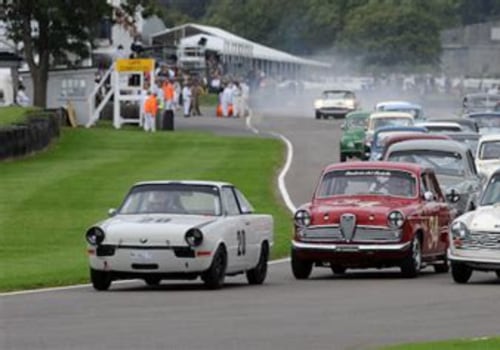
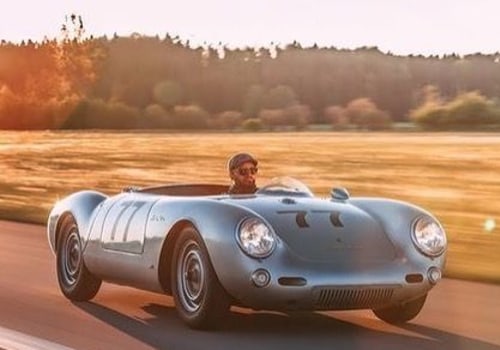
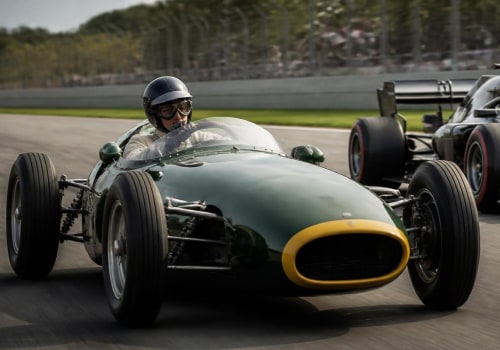
Vintage car racing is more than just a motorsport; it is a celebration of automotive history and engineering excellence. This thrilling sport features classic cars, typically manufactured before 1975, competing on various tracks and roads, showcasing their unique designs and the craftsmanship of a bygone era. The allure of vintage car racing lies not only in the nostalgia it evokes but also in the camaraderie among enthusiasts who share a passion for these remarkable machines. The roots of vintage car racing can be traced back to the early 20th century when automobile racing began to gain popularity. Events like the Monte Carlo Rally and the Goodwood Revival have become iconic, drawing participants and spectators from around the globe.
These events not only highlight the performance capabilities of vintage cars but also serve as a platform for preserving automotive heritage. As these classic vehicles race against time, they remind us of the evolution of speed and technology in motorsport. Understanding the significance of vintage car racing requires an appreciation for its rich history and the events that have shaped it. From local club races to prestigious international competitions, each event offers a unique glimpse into the past while fostering a vibrant community of collectors, restorers, and racers. As we delve deeper into this fascinating world, we will explore the average speeds achieved in vintage car races, revealing how these classic machines perform on modern tracks.
What Defines a Vintage Car?
To understand the average speed of a vintage car race, it is essential to first define what constitutes a vintage car.Generally, a vintage car is classified as a vehicle that was manufactured between 1919 and 1930. However, the definition can vary slightly depending on the organization or racing body involved.
Classification of Vintage Cars
- Veteran Cars: These are vehicles built before 1919. They are often considered the earliest examples of motorized transport.
- Vintage Cars: As mentioned, these cars were produced from 1919 to 1930. They represent a significant era in automotive history, showcasing early engineering and design.
- Classic Cars: While not strictly vintage, classic cars typically refer to vehicles manufactured from 1931 to 1979. Some enthusiasts include these in vintage racing events.
Many vintage car races have strict rules regarding the age of the vehicles allowed to compete. For instance, the Vintage Sports Car Club (VSCC) and other organizations often require cars to meet specific age requirements to ensure authenticity and maintain the spirit of vintage racing.Moreover, understanding these classifications aids in contextualizing the performance metrics of vintage cars during races. The engineering limitations and design philosophies of the era significantly influence their speed capabilities compared to modern vehicles. Therefore, knowing what defines a vintage car not only enriches your appreciation for these classic machines but also provides insight into their racing dynamics.
Factors Influencing Average Speed in Vintage Car Racing
When it comes to vintage car racing, several key factors significantly influence the average speed of the vehicles on the track.Understanding these elements can provide insights into how vintage cars perform in competitive settings.
- Vehicle Condition: The state of the vintage car plays a crucial role in its performance. Factors such as engine health, tire quality, and overall maintenance can greatly affect speed. A well-maintained vehicle with a powerful engine and good tires will naturally perform better than one that has not been cared for.
- Driver Skill: The experience and skill level of the driver are paramount in vintage car racing. A skilled driver can navigate turns more efficiently, manage acceleration and braking better, and make strategic decisions that can enhance speed.
In contrast, an inexperienced driver may struggle to maintain optimal speeds.
- Track Conditions: The condition of the racing surface is another critical factor. Smooth, well-maintained tracks allow for higher speeds, while rough or uneven surfaces can slow cars down due to increased friction and difficulty in handling. Weather conditions, such as rain or extreme heat, can also impact track performance and subsequently affect average speeds.
- Car Specifications: Different vintage cars have varying specifications that influence their speed capabilities. Factors such as weight, aerodynamics, and horsepower all play a role in determining how fast a car can go.
Lighter cars with better aerodynamics typically achieve higher speeds.
Average Speeds in Different Vintage Car Racing Events
When it comes to vintage car racing, the average speeds can vary significantly depending on the type of event and the specific regulations governing each race. Below, we explore some of the most popular types of vintage car races and their corresponding average speeds.Types of Vintage Car Races
- Classic Car Rallies: These events often prioritize endurance over speed, with average speeds typically ranging from 30 to 50 mph. Participants navigate through scenic routes, making it more about the journey than outright racing.
- Vintage Circuit Races: On closed circuits, vintage cars can reach higher speeds.
Average speeds in these races can range from 60 to 100 mph, depending on the track layout and car specifications.
- Hill Climb Events: In these challenging races, cars ascend steep inclines. Average speeds are generally lower, around 40 to 70 mph, as drivers must balance speed with control on winding roads.
- Endurance Races: Events like the Mille Miglia showcase vintage cars over long distances. Here, average speeds can hover around 50 to 80 mph, as teams strategize for fuel efficiency and tire management.
Speed Comparison
To provide a clearer picture, here’s a brief comparison of average speeds across different vintage car racing events:- Classic Car Rallies: 30-50 mph
- Vintage Circuit Races: 60-100 mph
- Hill Climb Events: 40-70 mph
- Endurance Races: 50-80 mph
Understanding these differences can enhance appreciation for the sport and its rich heritage.
Notable Vintage Car Races and Their Speeds
Vintage car racing has a rich history, showcasing not only the beauty of classic automobiles but also the thrilling speeds they can achieve. Some of the most notable vintage car races have set benchmarks in terms of speed and performance, reflecting the evolution of automotive engineering.Famous Vintage Car Races
- The Mille Miglia: This iconic Italian race, held from 1927 to 1957, covered a distance of 1,000 miles. The fastest recorded time was achieved by a Ferrari 335 S in 1957, reaching an average speed of approximately 98.53 mph.
- The Goodwood Revival: A celebration of vintage racing held annually in England, featuring cars from the 1940s to the 1960s. Some races see speeds exceeding 100 mph, particularly in events like the St.
Mary's Trophy.
- The Pebble Beach Concours d'Elegance: While primarily a car show, it includes vintage racing events where cars like the Bugatti Type 35 have been clocked at speeds around 80 mph.
Race Speed Records
Throughout history, various vintage races have produced remarkable speed records that highlight the capabilities of classic cars:- The Indianapolis 500 , although primarily known for modern cars, has seen vintage entries that have reached impressive speeds, with some averaging over 90 mph.
- The Targa Florio , a historic road race in Sicily, had its fastest recorded time in 1955 with a Ferrari 410 Sport achieving an average speed of around 70 mph.
Comparing Vintage Car Racing to Modern Racing Speeds
When examining the world of vintage car racing, it becomes evident that the average speeds achieved in these events differ significantly from those seen in modern racing formats. Vintage cars, typically manufactured before the 1970s, are often characterized by their classic designs and mechanical simplicity. As a result, they generally achieve average speeds ranging from 60 to 100 mph, depending on the specific model and race conditions.In contrast, modern racing cars, equipped with advanced technology and aerodynamics, can reach average speeds of 150 mph or more.This stark difference can be attributed to several factors:
- Technological Advancements: Modern racing vehicles benefit from cutting-edge materials, such as carbon fiber, and sophisticated engineering techniques that enhance speed and performance.
- Aerodynamics: The design of contemporary race cars is heavily influenced by wind tunnel testing, allowing for optimized shapes that reduce drag and increase downforce.
- Engine Performance: Today's engines are not only more powerful but also more efficient, utilizing turbocharging and hybrid technologies to maximize output.
FAQs About Vintage Car Racing Speeds
When it comes to vintage car racing, many enthusiasts and newcomers alike have questions about the speeds these classic vehicles can achieve.Here are some frequently asked questions that help clarify common misconceptions and provide insights into the world of vintage racing.
What is the average speed of vintage cars in races?
The average speed of a vintage car during a race can vary significantly based on several factors, including the type of car, the track conditions, and the specific racing event. Generally, vintage cars can reach speeds between 60 to 120 mph. However, some high-performance models may exceed this range under optimal conditions.Are vintage cars slower than modern race cars?
Yes, vintage cars are typically slower than modern race cars due to advancements in technology, aerodynamics, and materials. While modern race cars can easily exceed speeds of 200 mph, vintage cars are celebrated for their unique engineering and historical significance rather than sheer speed.What factors influence the speed of a vintage car?
- Engine Type: The power and design of the engine play a crucial role in determining speed.
- Aerodynamics: The shape and design of the car affect how it cuts through the air.
- Weight: Lighter cars often perform better in terms of speed.
- Tires: The type and condition of tires can significantly impact grip and acceleration.
- Driver Skill: An experienced driver can maximize a car's potential on the track.
Are there any myths about vintage car racing speeds?
Yes, several myths surround vintage car racing.One common misconception is that all vintage cars are slow. While many are not built for high speeds, some models were designed for performance and can compete effectively even today. Another myth is that vintage racing is only for show; in reality, many events are highly competitive, showcasing both skill and speed.Understanding these aspects of vintage car racing helps enthusiasts appreciate the sport's rich history while also recognizing the unique characteristics that define these classic vehicles.
Conclusion: The Legacy of Vintage Car Racing Speeds
In conclusion, the world of vintage car racing is not just about speed; it is a celebration of automotive history and engineering excellence. Throughout this article, we have explored the average speeds achieved in various vintage car races, which typically range from 60 to 120 miles per hour, depending on the era and type of vehicle.These speeds, while modest compared to modern racing standards, reflect the technological advancements of their time and the skill of the drivers who navigated these classic machines.The significance of these average speeds extends beyond mere numbers. They represent a time when racing was as much about the thrill of competition as it was about the artistry of design. Vintage cars, with their unique aesthetics and engineering quirks, offer a glimpse into the past, reminding us of the evolution of speed and performance in motorsport.Moreover, vintage car racing fosters a sense of community among enthusiasts who share a passion for preserving these historical vehicles. Events such as the Goodwood Revival and Mille Miglia not only showcase these cars in action but also highlight their stories, connecting generations of car lovers.As we reflect on the average speeds in vintage car racing, it becomes clear that these figures are more than just statistics; they are a testament to a rich legacy that continues to inspire new generations.
The blend of nostalgia, competition, and craftsmanship ensures that vintage car racing will remain an integral part of automotive culture for years to come.