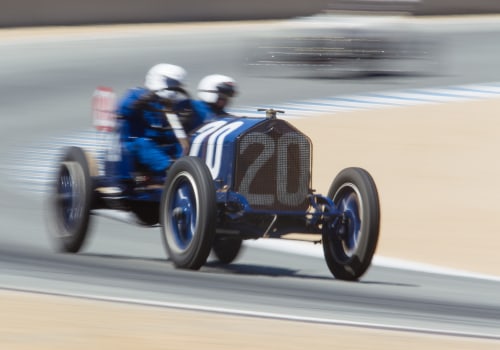
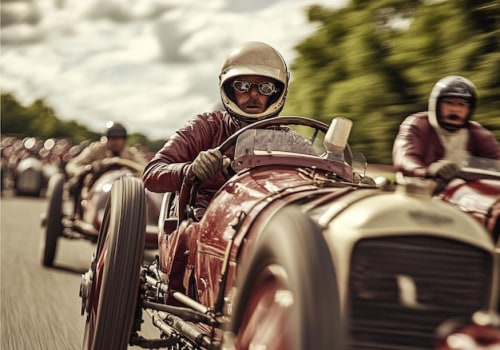
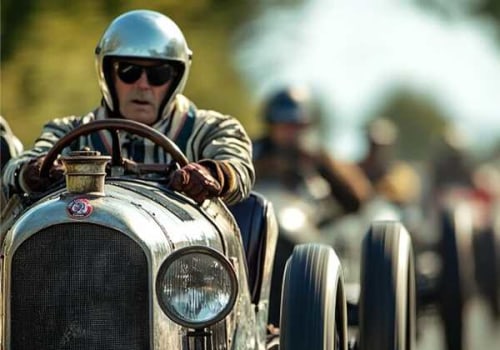
Vintage car racing is more than just a nostalgic pastime; it represents a vibrant intersection of automotive history, culture, and economic vitality. As enthusiasts gather to celebrate classic automobiles, they also contribute significantly to local and national economies. These events attract not only participants but also spectators, sponsors, and vendors, creating a ripple effect that benefits various sectors. The economic impact of car racing events extends beyond ticket sales. Local businesses, including hotels, restaurants, and retail shops, often see a surge in activity during race weekends.
Visitors traveling to attend these races typically spend on accommodations, meals, and souvenirs, injecting much-needed revenue into the community. Furthermore, the influx of tourists can lead to job creation in hospitality and service industries, enhancing the overall economic landscape. Moreover, vintage car racing fosters a sense of community and pride among participants and spectators alike. It encourages the preservation of automotive heritage while promoting local tourism. As cities host these events, they not only showcase their unique culture but also position themselves as attractive destinations for future events.
This dual benefit of cultural enrichment and economic stimulation makes vintage car racing a significant contributor to the economy.
The Growth of Vintage Car Racing Events
The world of vintage car racing has seen a remarkable surge in popularity over the past decade, transforming from a niche hobby into a mainstream attraction. This growth can be attributed to several factors, including the increasing interest in classic automobiles, the rise of social media, and the desire for unique experiences among enthusiasts and spectators alike.According to recent statistics, vintage car racing events have experienced an annual growth rate of approximately 10%. This trend is evident in the increasing number of events held across the United States and globally. For instance, major events like the Pebble Beach Concours d'Elegance and the Goodwood Revival have reported record attendance numbers, drawing thousands of fans who are eager to witness these classic machines in action.Moreover, the demographic of participants and spectators is evolving.While traditional enthusiasts remain a core audience, younger generations are becoming increasingly involved. This shift is largely driven by social media platforms where vintage car culture thrives, allowing enthusiasts to share their passion and connect with like-minded individuals.
- Increased Sponsorship: As the popularity of vintage car racing grows, so does the interest from sponsors. Brands are recognizing the value of associating with these events, leading to enhanced funding and marketing opportunities.
- Diverse Events: The variety of events has expanded significantly. From local races to international competitions, there is now something for everyone, catering to different tastes and preferences.
- Community Engagement: Vintage car racing events often foster a sense of community among participants and fans.
Local clubs and organizations are increasingly hosting events that encourage participation and engagement.
Direct Economic Contributions of Vintage Car Racing
Vintage car racing is not just a thrilling spectacle for enthusiasts; it also plays a significant role in boosting the local economy. The influx of participants and spectators at these events leads to a variety of direct economic contributions.Job Creation One of the most immediate impacts of vintage car racing is the creation of jobs.From event organizers to track staff, mechanics, and hospitality workers, numerous positions are generated to support these races. Local businesses often hire additional staff during race weekends to accommodate the increased demand for services.Tourism and Spending Vintage car races attract visitors from far and wide, contributing to the local tourism sector. Spectators often travel with families and friends, leading to increased spending on:
- Accommodation: Hotels and motels see a surge in bookings.
- Dining: Restaurants and cafes benefit from the influx of hungry race-goers.
- Retail: Local shops experience higher sales as visitors purchase memorabilia and supplies.
This collaboration can create a sense of pride among residents and promote long-term economic benefits. In summary, vintage car racing significantly contributes to the economy through job creation, increased tourism, and community engagement. By attracting visitors and stimulating local businesses, these events help sustain and grow the economic landscape of their host communities.
Tourism Boost from Vintage Car Racing Events
Vintage car racing events serve as a significant tourism magnet, drawing enthusiasts and spectators from across the country and even internationally. These events not only showcase the beauty and history of classic automobiles but also create a vibrant atmosphere that attracts visitors eager to experience the thrill of the races.When vintage car races are held, local economies often see a substantial boost in tourism. Visitors typically spend money on various services, including:- Accommodation: Hotels and motels often fill to capacity, with many establishments offering special packages for race attendees.
- Dining: Local restaurants benefit from increased foot traffic, as visitors seek out meals before and after the races.
- Merchandise: Vendors selling memorabilia, apparel, and other racing-related items see a spike in sales during these events.
- Transportation: Car rentals and local transport services experience heightened demand as tourists navigate the area.
Local businesses often report increased sales leading up to and following vintage car racing events, as the excitement generated can encourage repeat visits. Additionally, these events can enhance the visibility of a region, making it more appealing for future tourism.Moreover, vintage car racing events often include activities such as car shows, meet-and-greets with drivers, and educational workshops. These activities not only enrich the visitor experience but also foster a sense of community among car enthusiasts. As a result, many attendees become ambassadors for the region, sharing their experiences with friends and family, which can lead to further tourism growth.In conclusion, vintage car racing is more than just a thrilling spectacle; it is a powerful economic driver that enhances local tourism through increased visitor spending and engagement with the community.
Sponsorship and Investment in Vintage Car Racing
Sponsorship and investment play a crucial role in the world of vintage car racing, significantly impacting both the sport and the broader economy.As enthusiasts and collectors invest in these classic vehicles, they not only preserve automotive history but also create a vibrant marketplace that attracts various stakeholders.
Sponsorships
in vintage car racing often come from brands looking to align themselves with the prestige and nostalgia associated with classic automobiles. These partnerships can take many forms, including financial support for events, promotional activities, and even product placements. For instance, companies in the automotive sector, such as tire manufacturers or oil brands, frequently sponsor races to showcase their products' performance under competitive conditions.Moreover, the impact of these sponsorships extends beyond mere financial contributions. They help to elevate the profile of vintage car racing events, drawing larger crowds and increasing media coverage.This heightened visibility can lead to increased tourism in host cities, as fans travel to attend races, contributing to local economies through spending on hotels, restaurants, and other services.Investment in vintage car racing also encompasses the restoration and maintenance of classic vehicles. Investors often fund restoration projects that not only enhance the value of these cars but also support skilled labor in automotive restoration shops. This creates jobs and fosters a community of craftsmen dedicated to preserving automotive heritage.Furthermore, brand partnerships within vintage car racing can lead to innovative marketing strategies that benefit both sponsors and event organizers. For example, co-branded merchandise or exclusive experiences for fans can generate additional revenue streams while enhancing brand loyalty.In summary, sponsorship and investment in vintage car racing are vital components that contribute to economic growth.
They foster community engagement, create jobs, and stimulate local economies while preserving the rich history of classic automobiles.
Community Engagement and Cultural Impact of Vintage Car Racing
Vintage car racing serves as a vibrant platform for community engagement, bringing together enthusiasts, families, and local businesses. These events often transform quiet towns into bustling hubs of activity, fostering a sense of belonging and pride among residents.One of the most significant aspects of vintage car racing is its ability to unite people from diverse backgrounds. Local events often feature not just the races themselves but also a variety of activities such as:- Car shows showcasing classic vehicles
- Live music and entertainment
- Food stalls featuring local cuisine
- Workshops and seminars on car restoration and maintenance
Culturally
, vintage car racing holds significant importance.It acts as a living museum, preserving automotive history and showcasing the craftsmanship of bygone eras. Many communities take pride in their racing heritage, often organizing annual events that commemorate local racing legends or historic races. This not only educates younger generations about their local history but also strengthens cultural identity.Moreover, the social aspect of vintage car racing cannot be overlooked. These events create opportunities for networking among car enthusiasts, fostering friendships that can last a lifetime.
Clubs and organizations often form around these interests, further enhancing social cohesion within the community.In conclusion, vintage car racing is more than just a sport; it is a catalyst for community engagement and cultural expression. By bringing people together and celebrating shared passions, these events contribute significantly to local pride and economic vitality.
Challenges Facing the Vintage Car Racing Industry
The vintage car racing industry, while rich in history and passion, faces several significant challenges that threaten its sustainability and growth. Understanding these obstacles is crucial for enthusiasts and stakeholders alike.1.Sustainability Concerns
One of the primary challenges is the increasing scrutiny regarding environmental impact. Vintage cars, often powered by older combustion engines, contribute to higher emissions compared to modern vehicles.
As society shifts towards sustainability, the racing community must find ways to adapt. This includes:
- Exploring alternative fuels that maintain the authenticity of vintage racing.
- Implementing stricter regulations on emissions during events.
- Promoting eco-friendly practices among participants and spectators.
2.Competition from Other Motorsports
The vintage car racing scene also competes with a plethora of other motorsport events that attract audiences and sponsorships. The rise of electric racing series and high-tech motorsports has drawn attention away from traditional events. To remain relevant, vintage car racing must:
- Enhance the spectator experience through engaging events and activities.
- Leverage social media and digital platforms to reach younger audiences.
- Collaborate with modern motorsport events to create hybrid races that celebrate both vintage and contemporary vehicles.
3.Financial Viability
Funding is another critical issue.
Many vintage car owners face high maintenance costs, and securing sponsorship can be challenging in a crowded market. To address this:
- Event organizers should seek partnerships with brands that align with the vintage ethos.
- Developing community-driven fundraising initiatives can help sustain local racing events.
- Encouraging participation from a diverse range of sponsors can broaden financial support.
Future Prospects for Vintage Car Racing and Its Economic Impact
The future of vintage car racing appears promising, with several emerging trends and innovations poised to enhance its economic impact. As enthusiasts and collectors continue to invest in classic automobiles, the demand for vintage racing events is likely to grow, attracting larger audiences and sponsors.One significant trend is the increasing integration of technology in vintage car racing.Innovations such as telemetry systems and digital platforms for live streaming races can enhance the spectator experience, making events more accessible to a global audience. This not only boosts ticket sales but also opens up new revenue streams through advertising and sponsorships.Moreover, the rise of eco-consciousness among consumers is influencing the vintage car racing scene. Events that promote sustainability, such as those featuring electric or hybrid vintage cars, are likely to attract a new demographic of participants and spectators. This shift could lead to partnerships with environmentally focused brands, further enhancing the economic prospects of the industry.Additionally, the growing popularity of vintage car restoration and customization services is creating jobs and stimulating local economies.
As more individuals seek to restore classic cars for racing, businesses specializing in parts and services are likely to flourish.In conclusion, the future of vintage car racing is intertwined with technological advancements and changing consumer preferences. By embracing these trends, the industry can not only sustain its current economic contributions but also expand its reach and influence in the broader automotive market.
Conclusion: The Lasting Economic Legacy of Vintage Car Racing
In conclusion, vintage car racing serves as a significant catalyst for economic growth and community development. Throughout this article, we have explored various dimensions of how these exhilarating events not only attract enthusiasts but also generate substantial revenue for local economies. One of the most compelling aspects of vintage car racing is its ability to draw large crowds. Events often see thousands of spectators, which translates into increased business for local hotels, restaurants, and shops.This influx of visitors creates a ripple effect, stimulating job creation and supporting small businesses that thrive on tourism. Moreover, vintage car races foster a sense of community pride and identity. Local organizations often collaborate to host these events, leading to enhanced community engagement and volunteerism. The shared passion for classic automobiles brings people together, strengthening social ties and promoting a vibrant local culture. Additionally, the preservation of vintage cars contributes to the economy by encouraging restoration businesses and parts suppliers. As enthusiasts invest in their vehicles, they support a niche market that sustains jobs and promotes craftsmanship. Ultimately, the legacy of vintage car racing extends beyond the racetrack.
It embodies a unique blend of entertainment, economic stimulation, and community cohesion. As we look to the future, it is essential to recognize and support these events as vital components of our economic landscape.