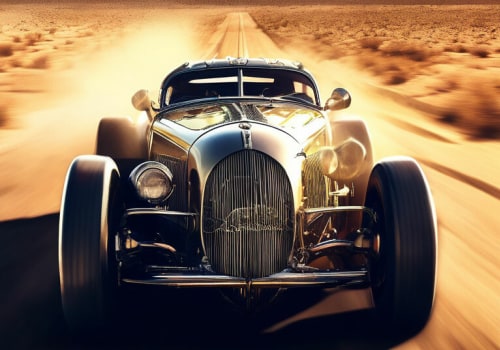
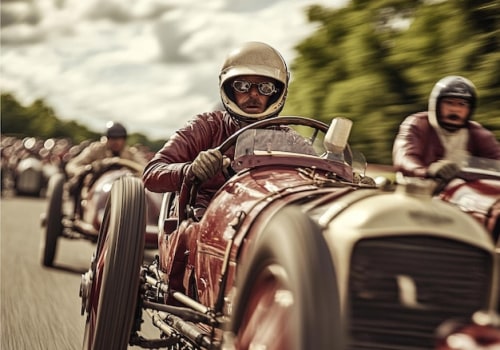
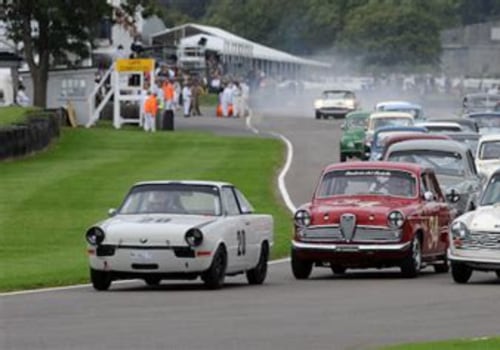
Vintage car racing offers a completely different experience from modern motorsport because it combines competition with history, craftsmanship, and mechanical simplicity. While contemporary racing focuses heavily on advanced engineering, computer-assisted performance, and data analysis, vintage racing places greater emphasis on the character of older machines and the skill required to control them. Drivers compete in vehicles built during earlier eras, often using technology that would be considered basic by modern standards. These cars may lack electronic stability systems, advanced traction control, sophisticated aerodynamics, and highly developed braking systems. As a result, drivers must rely more heavily on their own judgment, mechanical awareness, and ability to understand how the car responds under changing track conditions.
Mechanical Simplicity and Driver Skill
One of the biggest differences between vintage and modern motorsport is the level of technology inside the vehicle. Modern race cars often use electronic sensors, computerized engine management, telemetry, and precise data collection to help teams understand performance. Vintage racing cars are generally much more mechanical. Drivers may need to manage older transmissions, less powerful braking systems, manual steering, and engines that require careful attention throughout a race. Mechanical maintenance therefore becomes an important part of keeping these vehicles competitive and reliable. Even routine services such as oil and lube service in Mississauga reflect the broader importance of proper lubrication, fluid condition, and preventative maintenance when working with older vehicles that may not have the same engineering tolerances as modern machines.
Less Technology, More Communication
Modern racing teams can monitor nearly every aspect of a vehicle in real time. Engineers may receive information about tire temperatures, engine performance, fuel consumption, brake condition, and suspension behavior while a car is still circulating on the track. Vintage racing usually offers far less immediate information. Teams often depend on driver feedback, visual inspections, mechanical experience, and observations made during practice sessions. This creates a different relationship between drivers and mechanics because problems must often be identified through sound, feel, vibration, or changes in handling rather than computerized diagnostics.
The Importance of Preservation
Another unique element of vintage racing is the need to balance competition with preservation. Many vehicles participating in historic motorsport are rare, valuable, or historically significant. Owners may have spent years restoring them using period-correct components and techniques. Although drivers still want to compete, they also understand that damaging an irreplaceable vehicle can have serious consequences. This often creates a slightly different racing culture in which respect for the machinery is especially important. Race organizers may also divide vehicles into categories based on age, engine size, or historical specification to keep competition fair.
A Different Atmosphere for Motorsport Fans
Vintage racing events also provide a distinctive experience for spectators. Modern motorsport often emphasizes extreme speed, advanced aerodynamics, professional sponsorships, and highly structured team operations. Historic events, on the other hand, allow fans to see racing cars from previous generations operating in an environment similar to the one for which they were originally designed. Spectators can hear older engines, observe mechanical details, and sometimes walk through paddock areas where historic vehicles are displayed.
Connecting Motorsport’s Past and Present
Ultimately, vintage car racing is different because it celebrates both competition and automotive heritage. Modern motorsport demonstrates what current technology can achieve, while historic racing shows how earlier generations of engineers and drivers approached the same challenge. The combination of mechanical simplicity, driver involvement, preservation, and nostalgia gives vintage racing an identity that modern racing cannot fully replicate.