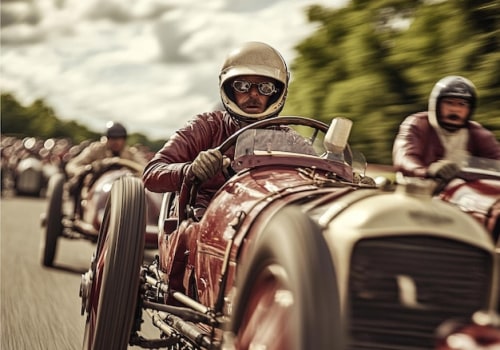
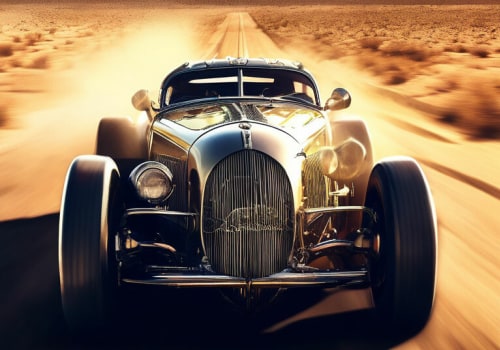
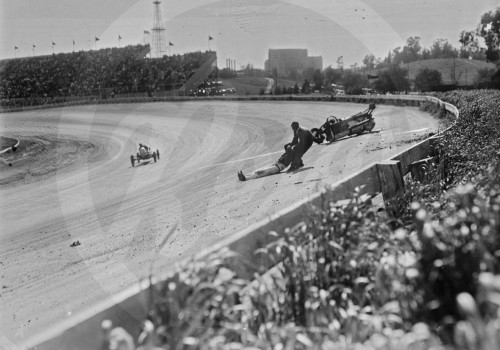
Vintage car racing is more than just a motorsport; it is a celebration of automotive history and culture. This thrilling activity involves racing cars that are typically over 30 years old, showcasing the craftsmanship and engineering of a bygone era. Enthusiasts and collectors alike are drawn to these events, where they can witness the beauty and power of classic vehicles, often restored to their former glory. The allure of vintage car racing lies not only in the competition but also in the stories each car tells, representing a unique piece of history.The roots of vintage car racing can be traced back to the early 20th century when automobile racing began to gain popularity.
Events like the Mille Miglia in Italy and the Pebble Beach Concours d'Elegance in California have become iconic, attracting participants and spectators from around the globe. These races serve as a platform for car enthusiasts to showcase their prized possessions while fostering a sense of community among those who share a passion for classic automobiles. Over the decades, vintage car racing has evolved, but its core essence remains intact: a deep appreciation for the artistry and innovation that defined early automotive design.As we delve deeper into the world of vintage car racing, it is essential to consider its significance within automotive culture. This sport not only preserves historical vehicles but also promotes camaraderie among enthusiasts who cherish the nostalgia associated with these classic machines.
However, as we celebrate this rich heritage, it is crucial to examine the environmental implications of such events. Understanding how vintage car racing impacts our planet will provide valuable insights into balancing our love for these timeless vehicles with our responsibility towards sustainability.
The Environmental Footprint of Vintage Cars
Vintage car racing, while a thrilling spectacle for enthusiasts, carries a significant environmental footprint. Understanding the impact of these classic vehicles requires a closer look at their emissions and fuel consumption.Emissions from Vintage Cars
Many vintage cars were manufactured before stringent emissions regulations were established. As a result, they often emit higher levels of pollutants compared to modern vehicles.
The combustion engines in these cars typically burn fuel less efficiently, leading to increased emissions of carbon dioxide (CO2), nitrogen oxides (NOx), and particulate matter. According to studies, vintage cars can produce up to 10 times more emissions than contemporary models during operation.
Fuel Consumption of Vintage Cars
The fuel consumption of vintage cars is another critical factor contributing to their environmental impact. These vehicles often have larger engines and less efficient designs, resulting in lower miles per gallon (MPG) ratings. For instance, while a modern car might achieve 30 MPG or more, many vintage models struggle to reach even 15 MPG.
This inefficiency not only leads to higher fuel costs for owners but also increases the overall carbon footprint associated with their use.
Comparative Analysis
- Fuel Type: Many vintage cars run on leaded gasoline or other fuels that are now banned or restricted due to their harmful effects on the environment.
- Maintenance Practices: The maintenance of vintage cars often involves using older technologies and materials that may not be environmentally friendly.
- Event Impact: During racing events, the cumulative effect of multiple vintage cars on the track can lead to significant spikes in local air pollution levels.
Racing Events and Their Ecological Effects
Vintage car racing events, while thrilling for enthusiasts and spectators alike, can have significant ecological effects on the environment. These events often require large areas of land, which can lead to various forms of land use that disrupt local ecosystems.Land Use and Habitat Disruption
- The setup for vintage car races typically involves extensive infrastructure, including grandstands, pit areas, and parking lots. This construction can lead to the clearing of natural habitats, affecting local flora and fauna.
- In many cases, the land used for racing events is not returned to its original state post-event, leading to long-term ecological consequences.
- Additionally, the compaction of soil from heavy vehicles can hinder plant growth and disrupt the natural water drainage systems.
Noise Pollution
The roar of vintage engines is a hallmark of these racing events, but it also contributes to noise pollution.
This can have several adverse effects:
- Wildlife Disturbance: Many species are sensitive to noise and may abandon their habitats during races, leading to decreased biodiversity in the area.
- Human Health: Prolonged exposure to high noise levels can affect the health of nearby residents, causing stress and other health issues.
Comparative Analysis: Vintage vs. Modern Racing
When examining the environmental impacts of vintage car racing compared to modern racing practices, several key factors come into play. While both forms of racing have their own environmental footprints, the differences in technology, fuel types, and sustainability efforts are significant.Fuel Efficiency and Emissions
Modern racing vehicles are often equipped with advanced technologies that enhance fuel efficiency and reduce emissions.For instance, many contemporary race cars utilize hybrid systems or alternative fuels that significantly lower their carbon footprint. In contrast, vintage racing cars typically rely on older combustion engines that are less efficient and produce higher levels of greenhouse gases. This fundamental difference highlights a critical aspect of the environmental comparison between the two racing types.
Sustainability Initiatives
In recent years, the racing industry has made strides toward sustainability. Many modern racing organizations have implemented strict regulations aimed at reducing environmental impact, such as promoting electric vehicles and sustainable practices during events.On the other hand, vintage car races often lack these comprehensive sustainability initiatives. However, some vintage racing events are beginning to adopt eco-friendly practices, such as using biofuels or promoting recycling efforts at race venues.
Cultural and Historical Significance
While vintage car racing may have a larger environmental impact due to its reliance on older technologies, it also plays a crucial role in preserving automotive history and culture. The nostalgia associated with vintage races can foster a greater appreciation for automotive engineering and inspire future innovations in sustainability. This cultural significance can lead to increased awareness about the importance of eco-friendly practices in all forms of racing.In conclusion, while vintage car racing tends to have a more substantial negative impact on the environment compared to modern racing practices, there is potential for improvement through sustainability initiatives.As both sectors evolve, the challenge remains to balance the thrill of competition with the responsibility of protecting our planet.
Community Perspectives on Vintage Car Racing
Community perspectives on vintage car racing are as diverse as the cars themselves, often reflecting a blend of nostalgia, environmental concern, and local economic impact. Many enthusiasts view these events as a celebration of automotive history, fostering a sense of community and camaraderie among participants and spectators alike.However, public opinion is not universally positive. Some community members express concerns about the environmental implications of hosting vintage races. The emissions from older vehicles, which may not meet modern environmental standards, can contribute to air pollution.This has led to discussions about the need for stricter regulations or even the promotion of electric vintage cars to mitigate these effects.
Local Economic Impact
On the flip side, vintage car racing can have significant economic benefits for local communities. Events often attract tourists, boosting local businesses such as hotels, restaurants, and shops. Many towns report increased revenue during race weekends, which can be vital for small businesses struggling to stay afloat.- Tourism: Vintage races draw car enthusiasts from afar, creating a vibrant atmosphere that benefits local economies.
- Community Engagement: These events often involve local organizations and charities, fostering community spirit and collaboration.
- Environmental Initiatives: Some racing events are now incorporating sustainability practices, such as waste reduction programs and partnerships with environmental organizations.
As public awareness of environmental issues grows, it will be crucial for organizers to find a balance that honors both the love for vintage cars and the health of the community.
Mitigating Environmental Impact: Best Practices in Vintage Racing
As the vintage car racing community becomes increasingly aware of its environmental footprint, several sustainable practices have emerged to mitigate the impact of these thrilling events. By adopting eco-friendly initiatives, organizers and participants can enjoy the nostalgia of classic racing while being responsible stewards of the environment.Reducing emissions
is a primary focus for many vintage racing events. One effective strategy is the use of alternative fuels. Some racers are experimenting with biofuels derived from renewable resources, which can significantly lower carbon emissions compared to traditional gasoline.Additionally, electric vehicle conversions are gaining traction, allowing classic cars to maintain their vintage charm while operating on cleaner energy.Another important aspect is the implementation of green racing practices. This includes optimizing vehicle performance to enhance fuel efficiency and reduce waste. For instance, teams are encouraged to conduct thorough pre-race inspections to ensure that engines are running at peak efficiency, minimizing unnecessary emissions during races.
- Waste management: Organizers are increasingly prioritizing recycling and proper waste disposal at events. This includes providing clearly marked bins for recyclables and compostables, ensuring that waste is minimized.
- Eco-friendly materials: The use of sustainable materials for race setups, such as biodegradable banners and recyclable signage, helps reduce the overall environmental impact of events.
- Community engagement: Many vintage racing organizations are partnering with local environmental groups to promote awareness and education about sustainability in motorsports.
These initiatives not only help in reducing the ecological impact but also foster a sense of community responsibility among racers and fans alike.In conclusion, while vintage car racing is inherently linked to high-performance vehicles and speed, the community's shift towards sustainable practices demonstrates a commitment to preserving both the sport and the environment for future generations. By embracing these eco-friendly initiatives, vintage car racing can continue to thrive while minimizing its ecological footprint.
Future Trends in Vintage Car Racing and Sustainability
The future of vintage car racing is poised for significant transformation as the industry increasingly embraces sustainability. As environmental concerns grow, both participants and organizers are exploring innovative ways to reduce the ecological footprint of these beloved events.One of the most promising trends is the integration of eco-friendly technologies into vintage cars. While traditional racing vehicles are often associated with high emissions, advancements in technology are paving the way for retrofitting classic cars with modern, sustainable components.For instance, electric drivetrains can be adapted to vintage models, allowing them to maintain their classic aesthetics while significantly reducing their carbon output.Additionally, the use of sustainable fuels is gaining traction. Biofuels and synthetic fuels derived from renewable resources can provide a more environmentally friendly alternative to conventional gasoline. This shift not only helps in minimizing greenhouse gas emissions but also supports the preservation of the vintage car culture by allowing enthusiasts to race their beloved vehicles without compromising on environmental responsibility.Moreover, racing organizations are beginning to implement stricter regulations regarding emissions and fuel types used in competitions. This trend encourages participants to innovate and adopt greener practices, fostering a culture of sustainability within the vintage racing community.As we look ahead, it is clear that the intersection of sustainability and vintage car racing will play a crucial role in shaping the future of this sport.
By embracing eco-friendly technologies and practices, vintage car racing can continue to thrive while also contributing positively to environmental conservation efforts.
Frequently Asked Questions about Vintage Car Racing and the Environment
As vintage car racing gains popularity, many enthusiasts and environmentalists alike have raised questions about its impact on the environment. Here are some frequently asked questions that address these concerns:What are the main environmental concerns associated with vintage car racing?
The primary environmental concerns include:- Emissions: Vintage cars often use older technology, which can lead to higher emissions of pollutants compared to modern vehicles.
- Noise Pollution: The sound produced by vintage engines can contribute to noise pollution, affecting both wildlife and nearby communities.
- Resource Consumption: The production and maintenance of vintage cars require significant resources, including fuel, oil, and parts.
Are there any measures taken to mitigate environmental impact?
Many vintage car racing events are implementing measures to reduce their environmental footprint:- Use of Alternative Fuels: Some races encourage the use of biofuels or other alternative energy sources to minimize emissions.
- Noise Regulations: Organizers may enforce noise limits to reduce the impact on surrounding areas.
- Recycling Programs: Events often promote recycling and responsible waste management practices among participants and spectators.
How does vintage car racing compare to modern motorsports in terms of environmental impact?
While both vintage and modern motorsports have environmental impacts, modern racing often benefits from advancements in technology that improve fuel efficiency and reduce emissions. However, vintage car racing appeals to a different audience that values heritage and craftsmanship, which can sometimes overshadow the environmental concerns. Ultimately, the comparison depends on specific practices adopted by each event.Can vintage car racing be sustainable?
Sustainability in vintage car racing is achievable through conscious efforts from organizers, participants, and fans.By prioritizing eco-friendly practices, such as using sustainable materials and promoting awareness about environmental issues, the community can work towards a more sustainable future for this beloved pastime.