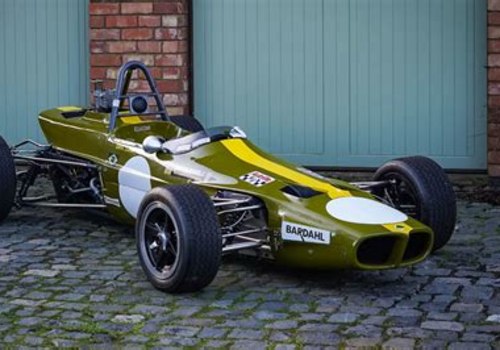
Vintage car racing is more than just a motorsport; it is a celebration of automotive history and engineering excellence. This thrilling sport features classic cars, typically manufactured before 1975, competing on various tracks and courses, showcasing their unique designs and powerful engines. Enthusiasts and collectors alike are drawn to vintage car racing not only for the adrenaline rush but also for the opportunity to preserve and honor the legacy of these remarkable vehicles.The roots of vintage car racing can be traced back to the early 20th century when automobile manufacturers began to recognize the potential of racing as a marketing tool. Events like the Mille Miglia in Italy and the Le Mans 24 Hours in France became iconic, setting the stage for future competitions.
Over the decades, vintage car racing has evolved, attracting a dedicated community of racers, fans, and collectors who appreciate the craftsmanship and history behind each vehicle.Today, vintage car races are held worldwide, featuring a variety of formats from sprints to endurance races. These events not only provide thrilling entertainment but also foster camaraderie among participants who share a passion for classic automobiles. As we delve deeper into the world of vintage car racing, we will explore various aspects, including the prize money awarded to winners, which reflects both the prestige of these events and the dedication of those who participate.
The Basics of Vintage Car Racing
Vintage car racing is a thrilling motorsport that celebrates the beauty and engineering of classic automobiles. To qualify as a vintage car, a vehicle typically must be at least 25 years old, although some organizations may have different criteria.This age requirement helps to preserve the history and craftsmanship of older vehicles, allowing enthusiasts to showcase their prized possessions on the racetrack.There are several types of vintage car races, each offering unique challenges and experiences for participants:
- Endurance Races: These races test the durability and performance of vintage cars over long distances, often lasting several hours or even days.
- Sprint Races: Shorter in duration, sprint races focus on speed and agility, allowing drivers to push their cars to the limit in a more controlled environment.
- Hill Climbs: In these events, drivers race against the clock to ascend steep hills, showcasing both driving skill and vehicle performance.
- Concours d'Elegance: While not a race in the traditional sense, this event judges vintage cars based on their aesthetics and restoration quality, often culminating in awards that can include cash prizes.
- Cars must meet specific age and modification criteria to ensure authenticity.
- Safety equipment such as helmets, fire suits, and roll cages may be required.
- Drivers must adhere to conduct guidelines to maintain fair competition and sportsmanship.
Prize Money Structure in Vintage Car Racing
In the world of vintage car racing, the structure of prize money can vary significantly based on several factors, including the prestige of the event, the number of participants, and sponsorship involvement. Understanding how prize money is determined and distributed is essential for both participants and enthusiasts alike.Prize Money Determination
- Event Prestige: High-profile races, such as those held at renowned tracks or during major automotive festivals, often offer larger prize pools.
These events attract more sponsors and media attention, which can lead to increased funding.
- Sponsorship: The involvement of sponsors plays a crucial role in determining prize money. Sponsors may contribute funds specifically earmarked for prizes, which can significantly enhance the total amount available for distribution.
- Entry Fees: Many vintage car races charge entry fees that contribute to the overall prize pool. The more participants there are, the larger the potential prize money becomes.
- First Place: The winner usually receives the largest share of the prize money, often ranging from 40% to 60% of the total pool.
- Second and Third Places: Runners-up generally receive smaller percentages, with second place earning around 20% to 30% and third place receiving about 10% to 15%.
- Additions for Special Categories: Some races also offer additional prizes for categories such as best restoration or fastest lap time, which can further enhance the overall prize distribution.
Factors Influencing Prize Money Amounts
The amount of prize money awarded in vintage car racing can vary significantly based on several key factors.Understanding these elements can provide insight into why some races offer substantial rewards while others may have more modest payouts.
Sponsorship Impact on Prize Money
One of the most significant influences on prize money is the level of sponsorship involved in the event. Major sponsors often contribute large sums to promote their brands, which can directly increase the prize pool. For instance, a race backed by a well-known automotive brand or a luxury goods company may offer higher rewards to attract top competitors and enhance visibility. Additionally, sponsors may also provide bonuses for specific achievements, such as fastest lap times or best vintage restoration, further increasing the potential earnings for participants.Race Popularity and Event Scale
The popularity of a vintage car race plays a crucial role in determining its prize money.High-profile events that draw large crowds and media attention tend to have larger budgets, allowing for more substantial prizes. For example, prestigious races like the Goodwood Revival or Pebble Beach Concours d'Elegance not only attract elite racers but also command higher entry fees and sponsorship deals, resulting in lucrative prize distributions.Moreover, the scale of the event can also impact prize money. Larger races with multiple categories and a wider range of participants often have more extensive funding sources, leading to increased prize amounts. Conversely, smaller local events may struggle to secure funding and thus offer lower prizes.In summary, the interplay between sponsorship deals, race popularity, and event scale significantly influences the prize money available in vintage car racing.
As these factors evolve, so too will the financial incentives for racers participating in this thrilling motorsport.
Comparative Analysis: Vintage Car Racing vs. Other Motorsports
When examining the prize money associated with vintage car racing, it becomes evident that there are notable differences when compared to modern racing formats. While both types of racing attract passionate fans and skilled drivers, the financial rewards can vary significantly.Prize Money in Vintage Car Racing
In vintage car racing, prize money is often less predictable and can range widely based on the event's prestige, location, and sponsorship. Typically, smaller vintage races may offer prizes in the range of a few thousand dollars, while more prestigious events, such as the Goodwood Revival or Pebble Beach Concours d'Elegance, can feature prize purses that reach into the tens of thousands.However, many participants view these races more as a celebration of automotive history rather than a primary source of income.
Comparative Prize Money in Modern Racing
In contrast, modern racing series like Formula 1 or NASCAR boast significantly higher prize pools. For instance, a single Formula 1 race can offer millions in prize money, with the overall championship winner receiving upwards of $10 million. This stark difference highlights how modern motorsports are often backed by substantial corporate sponsorships and media rights deals.Key Differences in Earnings
- Sponsorship: Modern racing heavily relies on corporate sponsorships, which inflate prize money significantly compared to vintage events.
- Event Scale: Larger modern racing events attract more media attention and larger audiences, leading to higher earnings.
- Cultural Value: Vintage races often prioritize heritage and community over financial gain, making them unique in their approach to competition.
Case Studies: Notable Vintage Car Races and Their Prize Money
Vintage car racing has a rich history, and several notable races stand out not only for their thrilling competition but also for the substantial prize money awarded to winners.Here are a few case studies that illustrate the financial rewards associated with these prestigious events.
The Mille Miglia
The Mille Miglia, held annually in Italy, is one of the most famous vintage car races in the world. Originally a long-distance race from Brescia to Rome and back, it now serves as a rally for classic cars. Participants can win prizes that range from $10,000 to over $50,000, depending on their performance and the category of their vehicle. The allure of this race lies not only in the prize money but also in the prestige of competing on historic roads.The Goodwood Revival
Another iconic event is the Goodwood Revival, which takes place in West Sussex, England.This event celebrates the golden era of motorsport and features a variety of vintage races. Prize money at Goodwood can vary significantly, with some races offering up to $25,000 for winners. The event attracts a mix of professional drivers and passionate amateurs, all vying for both glory and financial rewards.
The Pebble Beach Concours d'Elegance
While primarily known as a car show, the Pebble Beach Concours d'Elegance includes competitive events that can yield substantial earnings. Winners of specific categories can take home prizes exceeding $15,000.This event highlights not just speed but also the craftsmanship and history behind vintage automobiles.These case studies demonstrate that vintage car racing is not just about nostalgia; it also offers significant financial incentives for participants. As the popularity of vintage racing continues to grow, so too does the potential for lucrative prize money, making it an attractive pursuit for car enthusiasts and professional racers alike.
FAQs About Vintage Car Racing Prize Money
When it comes to vintage car racing, many enthusiasts are curious about the potential earnings from participating in these thrilling events. Here are some frequently asked questions regarding prize money in vintage car racing:What is the typical prize money for vintage car races?
The prize money for vintage car races can vary significantly based on the event's prestige, location, and sponsorship. Generally, smaller local races may offer prizes ranging from a few hundred to a couple of thousand dollars, while larger, more renowned events can feature prize pools exceeding $10,000 or more.How do racers earn prize money in vintage racing?
Racers can earn prize money through various means:- Finishing Positions: The most straightforward way to earn is by placing in the top positions.
Most races award cash prizes to the top three or five finishers.
- Sponsorships: Many racers secure sponsorships that provide additional financial support, which can supplement their earnings from race winnings.
- Entry Fees: Some events may have a portion of the entry fees pooled into a prize fund, which is then distributed among winners.
Are there any additional benefits to winning?
In addition to cash prizes, winning a vintage car race can lead to:- Increased Recognition: Victories can enhance a racer's reputation within the vintage racing community.
- Sponsorship Opportunities: Successful racers often attract more sponsors, leading to better financial backing for future races.
- Trophies and Awards: Many events also provide trophies or other awards that hold sentimental value and can be displayed as achievements.
Conclusion: The Future of Prize Money in Vintage Car Racing
As we look towards the future of vintage car racing, it is clear that the landscape of prize money is evolving. The increasing popularity of this motorsport, coupled with a growing number of enthusiasts and sponsors, suggests that prize pools may see significant growth in the coming years.One of the key factors influencing prize money is the rise in participation rates. More racers are entering the field, which not only enhances competition but also attracts more spectators. This influx can lead to higher ticket sales and increased sponsorship opportunities, ultimately contributing to larger prize funds.Emerging Trends in Sponsorship
Additionally, as brands recognize the value of associating with vintage car racing, we can expect to see a diversification in sponsorship deals.Companies are increasingly willing to invest in events that resonate with their target audiences, which can lead to enhanced financial backing for races. This trend could result in:
- Increased prize money for top finishers.
- More lucrative incentives for participants.
- A broader range of awards beyond just cash prizes, such as sponsorship deals or product endorsements.
As interest continues to grow and new financial opportunities arise, we can anticipate a more robust and rewarding environment for racers and fans alike.