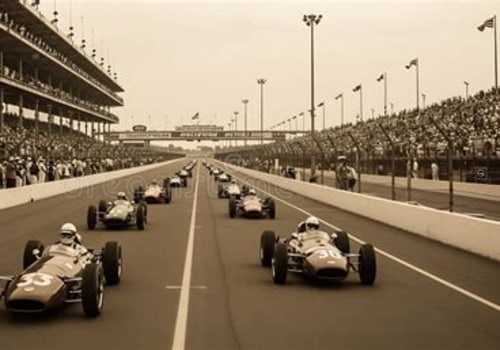
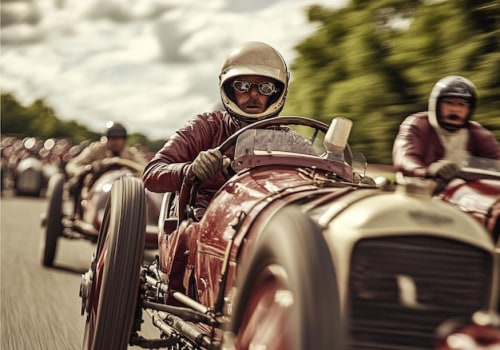
The history of vintage car racing is a fascinating journey that traces back to the late 19th century, a time when the automobile was still a novel invention. The first recorded automobile race took place in 1895, covering a distance of 54 miles from Paris to Rouen. This event not only marked the beginning of competitive racing but also showcased the potential of motor vehicles, igniting public interest and paving the way for future races. Early participants, such as Panhard et Levassor and Benz , were instrumental in demonstrating the capabilities of their machines, setting the stage for what would evolve into a beloved sport. As the 20th century dawned, car racing began to gain traction as a formalized sport.
Events like the Indianapolis 500 , established in 1911, and the Le Mans 24 Hours , which began in 1923, became iconic fixtures in the racing calendar. These races not only tested the speed and endurance of vehicles but also highlighted advancements in automotive technology. The roaring engines and thrilling competition attracted spectators and participants alike, creating a vibrant community around vintage car racing. The allure of vintage car racing lies not just in speed but also in nostalgia. Enthusiasts often celebrate the craftsmanship and design of early automobiles, appreciating their historical significance.
As we delve deeper into this captivating world, we will explore how these early races laid the groundwork for modern motorsport and continue to influence car culture today.
The Golden Age of Racing: 1920s to 1950s
The Golden Age of vintage car racing, spanning from the 1920s to the 1950s, marked a transformative period in motorsport history. This era was characterized by significant technological advancements, the emergence of iconic brands, and the rise of legendary drivers who would become household names.During the 1920s, racing began to gain popularity as a spectator sport, with events like the Indianapolis 500 and the Le Mans 24 Hours capturing the public's imagination. These races not only showcased speed but also highlighted the engineering prowess of manufacturers such as Ferrari, Bugatti, and Aston Martin. The competition pushed these brands to innovate, leading to advancements in aerodynamics, engine performance, and safety features.The 1930s saw the introduction of streamlined designs and supercharged engines, which further enhanced racing performance.Events like the Mille Miglia in Italy became legendary, attracting top drivers and teams from around the world. This period also witnessed the rise of famous drivers such as Tazio Nuvolari and Juan Manuel Fangio, whose skills on the track captivated fans and inspired future generations.As World War II interrupted racing activities, the post-war years in the late 1940s and early 1950s marked a resurgence in vintage car racing. The return of events like the Monaco Grand Prix and the establishment of new series helped revive interest in motorsport. The introduction of Formula One in 1950 further solidified this era as a golden age, with cars becoming faster and more sophisticated.The legacy of this period is still felt today, as vintage racing events continue to celebrate these classic cars and their storied histories.
Events such as the Goodwood Revival and Pebble Beach Concours d'Elegance attract enthusiasts eager to relive the excitement of these historic races.In summary, the golden age of vintage car racing not only laid the foundation for modern motorsport but also created a rich tapestry of stories, innovations, and personalities that continue to inspire car lovers around the globe.
The Revival of Vintage Car Racing in the Late 20th Century
The revival of vintage car racing in the late 20th century marked a significant turning point for automotive enthusiasts and collectors alike. As the 1980s approached, a growing appreciation for classic automobiles began to emerge, fueled by nostalgia and a desire to preserve automotive history. This resurgence was not merely a trend; it represented a cultural shift that celebrated the craftsmanship and engineering of earlier decades.During this period, several key factors contributed to the resurgence of vintage racing. First, the establishment of dedicated vintage racing clubs played a crucial role.Organizations such as the Vintage Sports Car Club of America (VSCCA) and the Historic Sports Car Racing (HSR) provided platforms for enthusiasts to come together, share their passion, and participate in organized events. These clubs not only facilitated races but also fostered a community that valued the history and stories behind each vehicle.In addition to clubs, numerous vintage racing events began to gain popularity throughout the 1980s. Iconic races like the Goodwood Revival in England and the Monterey Historic Automobile Races in California attracted participants and spectators from around the globe. These events showcased a wide array of classic cars, from pre-war models to iconic sports cars of the 1960s and 1970s, allowing fans to witness these machines in action once again.The combination of organized clubs and high-profile events created an environment where vintage car racing could thrive.
Collectors began restoring their classic cars not just for display but for competition, leading to an increase in participation rates. The thrill of racing these historic vehicles on renowned tracks rekindled a sense of excitement that had been dormant for years.This revival also sparked interest among younger generations, who were drawn to the aesthetic appeal and rich history of vintage cars. As more people became involved, the vintage car racing community expanded, ensuring that this cherished pastime would continue to flourish well into the future.
Key Events and Races in Vintage Car Racing History
The history of vintage car racing is rich with iconic events that have shaped the sport and celebrated automotive engineering. Here are some of the most significant races that have left an indelible mark on the world of vintage racing.The Mille Miglia
First held in 1927, the Mille Miglia is one of the most famous endurance races in history.This 1,000-mile open-road race across Italy attracted some of the most prestigious manufacturers and drivers of the time. The event was not only a test of speed but also of reliability and endurance, making it a cornerstone in the legacy of vintage car racing.
Goodwood Revival
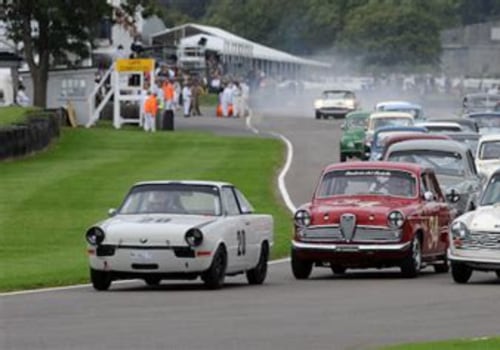
Established in 1998, the Goodwood Revival is a celebration of vintage motorsport held at the Goodwood Circuit in England. This event features classic cars from the 1940s to the 1960s, and it has become a pilgrimage for vintage car enthusiasts. The Revival not only showcases thrilling races but also emphasizes the importance of preserving automotive history.Le Mans Classic
The Le Mans Classic, launched in 2002, pays homage to the legendary 24 Hours of Le Mans race.This event allows vintage cars that participated in previous Le Mans races to compete on the same circuit, creating a nostalgic atmosphere for fans and participants alike. It highlights the evolution of endurance racing and celebrates the spirit of competition.
Pebble Beach Concours d'Elegance
While primarily known as a car show, the Pebble Beach Concours d'Elegance features a vintage racing component that attracts top-tier classic cars. Held annually in California, this event showcases not only beautifully restored vehicles but also includes competitive events that highlight their performance capabilities.These events are just a few examples of how vintage car racing has evolved over the decades. Each race carries its own unique history and significance, contributing to the rich tapestry of automotive culture and ensuring that these classic machines continue to inspire future generations.The Role of Technology in Vintage Car Racing
The evolution of vintage car racing has been significantly influenced by advancements in technology, shaping not only the vehicles themselves but also the overall racing experience.From the early days of racing, where cars were primarily mechanical marvels, to the modern era that embraces cutting-edge innovations, technology has played a pivotal role.
Changes in Vehicle Design
In the early 20th century, vintage race cars were often designed with a focus on simplicity and raw power. However, as the sport progressed, engineers began to incorporate more sophisticated designs that emphasized aerodynamics and weight reduction. The introduction of materials such as aluminum and fiberglass allowed for lighter vehicles that could achieve higher speeds. Today, many vintage race cars are celebrated not just for their performance but also for their iconic designs that reflect the technological capabilities of their time.Safety Measures
As vintage car racing gained popularity, so did the need for improved safety measures.Early races often lacked basic safety protocols, leading to numerous accidents. Over the decades, technology has introduced features such as roll cages, harnesses, and fire-resistant suits. These advancements have not only made racing safer but have also allowed drivers to push their limits with greater confidence.
Performance Enhancements
The impact of technology on performance cannot be overstated. Innovations in engine design, fuel efficiency, and tire technology have transformed how vintage cars perform on the track.For instance, the development of turbocharging and fuel injection systems has enabled older models to compete more effectively against modern vehicles. Additionally, advancements in suspension systems have improved handling and stability, allowing drivers to navigate challenging tracks with precision.In conclusion, the role of technology in vintage car racing is a testament to how far the sport has come. As we look back at its history, it is clear that technological advancements have not only enhanced vehicle performance but have also contributed to a safer and more thrilling racing environment.
Famous Drivers in Vintage Car Racing History
Vintage car racing has been shaped by numerous legendary drivers whose skills and passion for the sport have left an indelible mark on its history. These individuals not only excelled on the track but also contributed to the evolution of racing culture and technology.Notable Figures in Vintage Car Racing
- Juan Manuel Fangio : Often regarded as one of the greatest drivers of all time, Fangio's dominance in the 1950s set a high standard for future generations.
His ability to handle vintage cars with precision and speed made him a formidable competitor.
- Carroll Shelby : A pivotal figure in American motorsport, Shelby's influence extended beyond driving. He was instrumental in developing the iconic Shelby Cobra, which became a staple in vintage racing events.
- Jim Clark : Known for his smooth driving style and tactical acumen, Clark's victories in the 1960s helped popularize vintage car racing. His legacy continues to inspire new drivers today.
- Jackie Stewart : A three-time Formula One World Champion, Stewart's advocacy for safety in racing transformed the sport. His contributions have had lasting effects on how vintage races are conducted.
They have inspired countless enthusiasts to appreciate the craftsmanship and history behind classic automobiles. Their stories are often recounted at vintage racing events, where fans gather to celebrate not just the cars but also the legends who drove them.As vintage car racing continues to grow, the legacies of these famous drivers serve as a reminder of the sport's rich history and its ongoing evolution. Their contributions have paved the way for future generations, ensuring that the thrill of vintage racing remains alive and well.
The Culture and Community Surrounding Vintage Car Racing
The world of vintage car racing is not just about the thrill of speed and competition; it is also a vibrant community filled with passionate enthusiasts and collectors. This culture is deeply rooted in a shared appreciation for classic automobiles, their history, and the craftsmanship that goes into restoring and maintaining them.At the heart of this community are the enthusiasts, individuals who dedicate their time and resources to preserving vintage cars.Many of these enthusiasts participate in local clubs and organizations that focus on vintage car racing. These groups often host events, rallies, and meet-ups where members can showcase their vehicles, share restoration tips, and discuss the intricacies of vintage racing.
Events That Foster Community
Events play a crucial role in fostering the culture of vintage car racing. Renowned races such as the Goodwood Revival in England or the Pebble Beach Concours d'Elegance in California attract thousands of spectators and participants alike. These gatherings not only celebrate the beauty of classic cars but also create an atmosphere where stories are exchanged, friendships are formed, and a sense of camaraderie flourishes.The Role of Collectors
Collectors are another vital component of the vintage car racing culture.Many collectors invest significant time and money into acquiring rare models, often with the intention of restoring them to their former glory. This passion for collecting goes beyond mere ownership; it involves a commitment to understanding the history behind each vehicle and its significance within the racing community.
- Networking Opportunities: Collectors often network with one another to find parts, share restoration techniques, or even trade vehicles.
- Preservation Efforts: Many collectors are involved in preservation efforts that aim to maintain the integrity of vintage cars for future generations.
- Education: Through workshops and seminars, collectors educate newcomers about the nuances of vintage car maintenance and racing.
Challenges Facing Vintage Car Racing Today
The world of vintage car racing is not without its challenges, as enthusiasts and participants navigate a landscape shaped by modern regulations, preservation issues, and the evolving interests of new generations.Regulatory Challenges
One of the most significant hurdles facing vintage car racing today is the increasing number of regulations imposed by governing bodies. These rules often aim to enhance safety and environmental standards, but they can inadvertently complicate the racing experience for vintage car owners.For instance, many classic cars were not designed with modern safety features in mind, leading to debates about how to retrofit these vehicles without compromising their authenticity.
Preservation Issues
Another pressing concern is the preservation of these historical vehicles. As time passes, the availability of original parts diminishes, making it difficult for owners to maintain their cars in racing condition. This scarcity can lead to a reliance on reproduction parts, which may not always meet the same quality standards as original components. Furthermore, the financial burden of restoration can deter new entrants into the sport, limiting participation and threatening the future of vintage car racing.The Future of Vintage Racing
Looking ahead, the future of vintage car racing will likely hinge on how well the community adapts to these challenges.Embracing technology could play a crucial role; for example, digital platforms can facilitate better communication among enthusiasts and streamline access to parts and resources. Additionally, fostering a culture that values both preservation and innovation may attract younger participants who are eager to engage with classic cars in new ways.Ultimately, while vintage car racing faces significant challenges today, proactive measures and a commitment to preserving the spirit of these remarkable machines can ensure that this beloved sport continues to thrive for generations to come.
Conclusion: The Enduring Legacy of Vintage Car Racing
In conclusion, the history of vintage car racing is a rich tapestry woven with passion, innovation, and a deep appreciation for automotive heritage. From its humble beginnings in the early 20th century to the vibrant events we see today, vintage car racing has evolved into a celebrated sport that attracts enthusiasts from all walks of life.The allure of vintage car racing lies not only in the thrill of competition but also in the stories behind each vehicle. These cars are not merely machines; they are symbols of a bygone era, representing the craftsmanship and engineering marvels of their time.As we explored earlier, events like the Mille Miglia and Goodwood Revival serve as platforms for these classic vehicles to shine, allowing spectators to witness history in motion.Moreover, the community surrounding vintage car racing plays a crucial role in its enduring legacy. Enthusiasts, collectors, and racers come together to share their passion, fostering a sense of camaraderie that transcends generations. This vibrant community ensures that the spirit of vintage racing continues to thrive, inspiring new fans and participants.As we look to the future, it is clear that vintage car racing will remain a significant part of automotive culture. The blend of nostalgia and excitement it offers is unmatched, making it an appealing pursuit for both seasoned racers and newcomers alike.
In preserving these classic vehicles and celebrating their history, we not only honor the past but also pave the way for future generations to appreciate the beauty and thrill of vintage racing.Ultimately, the legacy of vintage car racing is one of passion, preservation, and performance—a testament to our enduring love for automobiles and the stories they tell.