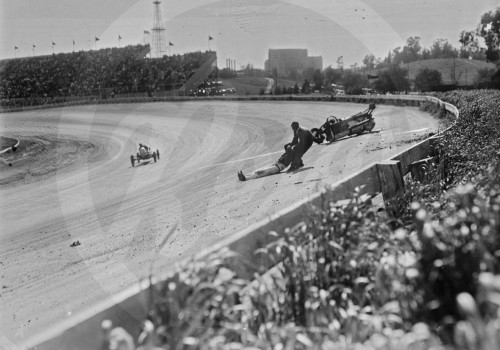
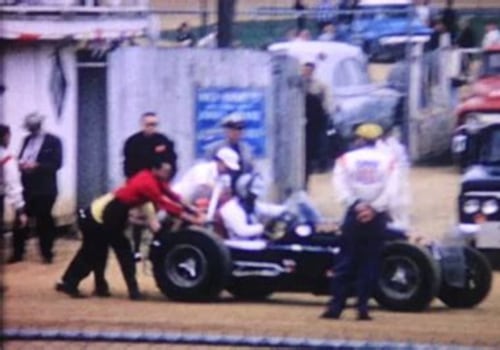
Vintage car racing is not just a sport; it’s a passion that brings together enthusiasts from all walks of life. The allure of classic automobiles, combined with the thrill of competition, creates an exhilarating atmosphere at racetracks around the world. However, while the charm of these historic vehicles captivates many, it’s essential to recognize the risks of vintage car racing. Unlike modern racing cars equipped with advanced safety features, vintage cars often lack the same level of protection, making drivers more vulnerable to accidents.The excitement of racing can quickly turn into a dangerous endeavor.
Drivers face numerous challenges, including high speeds, unpredictable weather conditions, and the potential for mechanical failures. These factors contribute to a heightened risk of injury during races. Understanding the inherent dangers is crucial for anyone considering participation in this thrilling sport. As we delve deeper into the world of vintage car racing, we will explore specific injuries that can occur and discuss how racers can better prepare themselves to mitigate these risks.Ultimately, while vintage car racing offers an unmatched experience filled with nostalgia and adrenaline, it is vital for participants to approach it with caution and respect for its dangers.
By acknowledging the risks involved, racers can enjoy the sport while taking necessary precautions to protect themselves and their fellow competitors.
Overview of Vintage Car Racing
Vintage car racing is a thrilling motorsport that celebrates the beauty and engineering of classic automobiles. This sport typically involves vehicles that are at least 30 years old, allowing enthusiasts to experience the nostalgia of racing cars from a bygone era. The roots of vintage car racing can be traced back to the early 20th century, when automobile technology was rapidly evolving, and racing became a popular pastime.The history of vintage car racing is rich and varied, with its origins linked to the first organized races in Europe and America. Events like the Monte Carlo Rally and the Goodwood Revival have become iconic, showcasing not only the speed but also the craftsmanship of these classic machines.As the years progressed, vintage car racing evolved into a formalized sport with specific regulations and categories, allowing for a diverse range of vehicles to compete.
Types of Vintage Cars
In vintage car racing, several types of vehicles are commonly seen:- Pre-war cars: These are vehicles manufactured before World War II, often characterized by their unique designs and engineering challenges.
- Post-war classics: Cars produced after the war, particularly from the 1950s to the 1970s, which include iconic models from brands like Ferrari, Jaguar, and Porsche.
- Sports cars: Lightweight and agile vehicles designed for performance, often featuring advanced technology for their time.
- Touring cars: These are more practical vehicles that were originally designed for long-distance travel but have been adapted for racing.
Common Injuries in Vintage Car Racing
Vintage car racing, while exhilarating, comes with its own set of risks that can lead to serious injuries. Understanding these common injuries is essential for both participants and spectators alike. Among the most frequent injuries sustained in vintage car racing are:- Fractures: Due to the high speeds and potential for collisions, fractures are a common occurrence.
Drivers may suffer from broken bones in their arms, legs, or ribs during accidents.
- Concussions: The risk of head injuries is significant in racing. A sudden impact can lead to concussions, which may have long-term effects on cognitive function.
- Burns: Vintage cars often lack modern safety features, making drivers vulnerable to burns from hot engines or fires resulting from crashes. Protective gear can mitigate this risk but does not eliminate it entirely.
- Soft tissue injuries: Sprains and strains are also prevalent due to the physical demands of controlling a vintage car at high speeds. These injuries can occur in the neck, back, and limbs.
The lack of modern safety technology in vintage cars means that even minor accidents can lead to significant harm. To minimize these risks, it is crucial for vintage car racers to wear appropriate safety gear, including helmets, fire-resistant suits, and harnesses. Regular vehicle maintenance and adherence to safety protocols can also help reduce the likelihood of accidents and injuries on the track.
Causes of Injuries in Vintage Car Racing
Understanding the causes of injuries in vintage car racing is crucial for enhancing safety measures and protecting drivers. Several factors contribute to the risk of accidents and injuries on the track.Vehicle Design
Many vintage cars were not built with modern safety standards in mind. Features such as:- Inadequate roll cages: Older models often lack robust roll cages, increasing the risk of serious injury during rollovers.
- Poor seatbelt systems: Many vintage vehicles are equipped with outdated or ineffective seatbelt systems, which can lead to severe injuries in the event of a crash.
- Limited crumple zones: The design of vintage cars typically does not include crumple zones that absorb impact, making collisions more dangerous.
Track Conditions
The condition of the racing track plays a significant role in safety.Factors include:
- Pavement quality: Cracks, potholes, and uneven surfaces can lead to loss of control, increasing the likelihood of accidents.
- Weather conditions: Rain or fog can severely reduce visibility and traction, heightening the risk of crashes.
- Track layout: Sharp turns and narrow sections can create hazardous situations, especially for inexperienced drivers.
Driver Behavior
The behavior and experience level of drivers also significantly impact safety. Key aspects include:- Inexperience: Newer drivers may not fully understand the handling characteristics of vintage cars, leading to poor decision-making on the track.
- Aggressive driving: Competitive instincts can lead to risky maneuvers that increase the chance of collisions.
Preventative Measures and Safety Gear
In the thrilling world of vintage car racing, the excitement of speed and competition is often accompanied by significant risks. To mitigate these risks, it is crucial for racers to prioritize preventative measures and invest in high-quality safety gear.Essential Safety Gear for Vintage Car Racing
- Helmets: A certified racing helmet is non-negotiable. Look for helmets that meet or exceed safety standards such as Snell or FIA ratings.
- Fire Suits: Flame-resistant suits made from materials like Nomex can protect drivers from fire hazards.
Ensure the suit fits well and covers the entire body.
- Gloves: Racing gloves provide grip and protect hands from heat and abrasion. Choose gloves that are both comfortable and compliant with safety regulations.
- Racing Shoes: Specialized shoes designed for racing offer better pedal control and protection against heat. They should be lightweight yet durable.
- HANS Device: The Head and Neck Support (HANS) device is essential for preventing head and neck injuries during collisions.
Injury Prevention Strategies
Beyond wearing appropriate safety gear, implementing effective injury prevention strategies is vital. Here are some key measures:
- Pre-Race Inspections: Conduct thorough inspections of both the vehicle and safety equipment before each race to ensure everything is in optimal condition.
- Driver Training: Regular training sessions can enhance driving skills, helping racers respond better to unexpected situations on the track.
- Track Familiarization: Understanding the layout of the track can significantly reduce the risk of accidents.
Spend time practicing on the course before race day.
- Team Communication: Establish clear communication protocols with your pit crew to ensure quick responses to any issues that may arise during a race.
Real-Life Accounts: Injuries from Vintage Car Racing
Vintage car racing is not just a thrilling sport; it also comes with its share of risks. Many racers have faced serious injuries, and their personal accounts shed light on the dangers involved in this exhilarating pastime.John's Story: A Close Call
John, a seasoned vintage racer, recalls a harrowing experience during a race in California. "I was rounding a tight corner when my brakes failed. I crashed into the barriers at high speed, and the impact left me with a fractured collarbone and several broken ribs.
It was a wake-up call about the importance of vehicle maintenance and safety gear," he shares.
Lisa's Experience: The Importance of Safety Gear
For Lisa, her passion for vintage cars turned into a painful lesson. "I was participating in a rally when I lost control on a wet track. I flipped my car and landed upside down. Thankfully, I was wearing my helmet and racing suit, which minimized my injuries to just a concussion and some bruises.
It made me realize how crucial it is to invest in proper safety equipment," she explains.
Mark's Testimonial: The Aftermath of an Accident
Mark, who has been racing vintage cars for over a decade, suffered a severe leg injury during a race in Europe. "I collided with another racer, and my leg got pinned under the dashboard. It took months of rehabilitation to walk again. This experience taught me that even minor accidents can lead to life-altering injuries," he reflects.These personal accounts highlight the reality of vintage car racing injuries.
While the thrill of racing is undeniable, the stories of those who have faced serious injuries serve as important reminders of the risks involved. Racers must prioritize safety and be aware of the potential consequences that come with their passion for speed.
Conclusion: The Importance of Safety in Vintage Car Racing
In conclusion, the world of vintage car racing is as thrilling as it is perilous. Throughout this article, we have explored the various injuries that can occur during these high-speed events, ranging from minor bruises to severe trauma. The risks associated with racing vintage cars are significant, but they can be mitigated through proper safety measures. One of the most critical aspects of ensuring safety in vintage car racing is the use of appropriate protective gear.Drivers should always wear helmets that meet modern safety standards, along with fire-resistant suits, gloves, and shoes. Additionally, the installation of roll cages and harnesses in vintage cars can greatly reduce the risk of injury during accidents. Moreover, it is essential for race organizers to conduct thorough safety inspections of all vehicles participating in events. This includes checking for mechanical issues that could lead to accidents on the track. Regular maintenance and adherence to safety regulations are vital for both drivers and teams. Ultimately, while the allure of vintage car racing lies in its nostalgia and excitement, prioritizing safety should never be overlooked.
By implementing stringent safety protocols and fostering a culture of awareness among participants, we can significantly reduce the likelihood of injuries and ensure that this beloved motorsport continues to thrive for generations to come.
- Wear protective gear: Helmets, fire-resistant suits, gloves, and shoes are essential.
- Install safety features: Roll cages and harnesses can save lives.
- Conduct vehicle inspections: Regular checks can prevent mechanical failures.