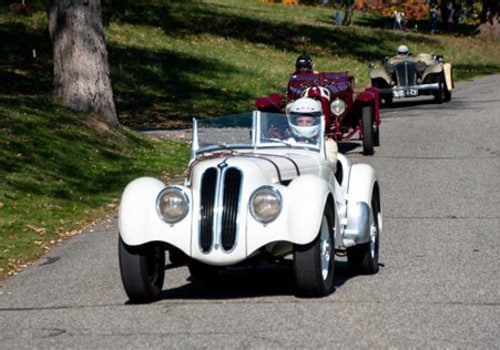
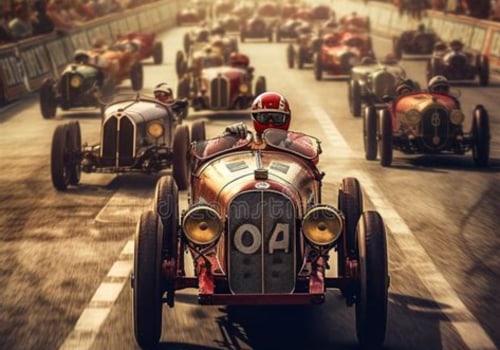
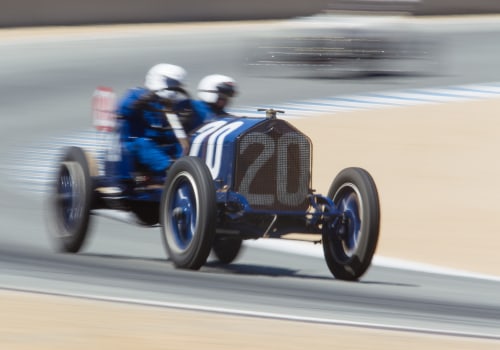
Vintage car racing is more than just a sport; it is a celebration of automotive history and engineering excellence. Enthusiasts and collectors are drawn to the thrilling spectacle of classic cars roaring down the track, each vehicle telling a story of its own. The allure of these races lies not only in the speed and competition but also in the nostalgia they evoke, reminding us of a time when craftsmanship and design were paramount in the automotive world.The history of vintage car racing dates back to the early 20th century, when automobile manufacturers began to showcase their innovations through competitive events. Iconic races such as the Mille Miglia and Le Mans have become legendary, attracting participants and spectators from around the globe.
These events have not only highlighted the technological advancements of their eras but have also fostered a sense of community among car lovers who share a passion for preserving these magnificent machines.The appeal of vintage car racing extends beyond the thrill of competition; it encompasses a rich tapestry of culture, camaraderie, and craftsmanship. For many, participating in or attending these races is akin to stepping back in time, where the roar of engines and the smell of gasoline create an atmosphere that is both exhilarating and nostalgic. As collectors restore these classic vehicles to their former glory, they contribute to a living history that continues to inspire new generations of automotive enthusiasts.
The Legendary Rivalry: Ferrari vs. Maserati
The rivalry between Ferrari and Maserati is one of the most storied in the world of vintage car racing, characterized by fierce competition, groundbreaking technology, and legendary drivers.This intense competition began in the early 20th century and has left an indelible mark on motorsport history.
Key Races and Milestones
- Le Mans 24 Hours: The 1950s saw both manufacturers competing fiercely at this iconic endurance race, with Ferrari often taking the lead. The 1957 race was particularly notable, as it showcased the engineering prowess of both brands.
- Mille Miglia: This historic road race was a battleground for Ferrari and Maserati, with Ferrari's 315 S and Maserati's A6GCS battling for supremacy. The rivalry reached a peak in the late 1940s and early 1950s.
- Formula One: In the 1960s, both brands made their mark in F1, with Ferrari securing multiple championships while Maserati focused on developing innovative engines.
Notable Drivers
- Juan Manuel Fangio: Driving for Maserati, Fangio clinched several championships, showcasing the brand's engineering excellence.
- Enzo Ferrari: The founder of Ferrari himself was a key figure in this rivalry, pushing his team to innovate and outperform Maserati.
- Phil Hill: As the first American to win a World Championship for Ferrari, Hill's contributions to the brand further intensified the competition.
Today, vintage car events often feature classic models from both manufacturers, allowing fans to relive the glory days of this legendary rivalry.
Ford vs. Ferrari: The Race That Changed Everything
The Ford vs. Ferrari rivalry is one of the most storied competitions in the history of vintage car racing, particularly highlighted during the iconic Le Mans races of the 1960s. This fierce battle was not just about speed; it was a clash of corporate philosophies, engineering prowess, and national pride.In the early 1960s, Ford Motor Company sought to revitalize its image and expand its market share by entering the world of motorsport.The company aimed to defeat Ferrari at the prestigious 24 Hours of Le Mans, a race that had become synonymous with Italian automotive excellence. Enzo Ferrari, with his passion for racing and a legacy built on performance, was not an easy target.
The Birth of a Rivalry
The rivalry ignited when Ford attempted to purchase Ferrari in 1963. The deal fell through, leading to a deep-seated animosity between the two automotive giants. In response, Ford committed significant resources to develop a car that could outpace Ferrari's legendary models. This resulted in the creation of the Ford GT40, a vehicle that would become emblematic of American engineering.Le Mans: The Ultimate Showdown
The climax of this rivalry came during the 1966 Le Mans race.After years of development and testing, Ford's GT40 finally triumphed over Ferrari, marking a pivotal moment in vintage racing history. The race saw Ford take the top three spots, a stunning victory that not only showcased their engineering capabilities but also shifted the balance of power in motorsport.
- 1966 Le Mans: Ford GT40 wins against Ferrari.
- Engineering Innovation: Development of advanced aerodynamics and performance features.
- Cultural Impact: The rivalry inspired films and documentaries, solidifying its place in automotive lore.
Jaguar vs. Aston Martin: A British Showdown
The rivalry between Jaguar and Aston Martin is one of the most storied in the world of vintage car racing, representing not just a competition between two manufacturers, but a clash of British automotive engineering and design philosophies.Both brands have a rich heritage in motorsport, and their competition has produced some of the most memorable moments in racing history.
Jaguar
, founded in 1922, quickly made a name for itself with its sleek designs and powerful engines. The introduction of the Jaguar XK120 in 1948 marked a significant milestone, as it became one of the fastest production cars of its time. This model not only dominated the roads but also made waves on the racetrack, winning numerous competitions and establishing Jaguar as a formidable force in vintage racing.On the other hand, Aston Martin, with its roots dating back to 1913, has always been synonymous with luxury and performance. The Aston Martin DB series, particularly the DB5, became iconic not just for its speed but also for its association with James Bond films.In vintage racing, Aston Martin's success was highlighted by its victories at prestigious events like the 24 Hours of Le Mans.
Memorable Events
- Le Mans 1950s: The fierce competition between Jaguar and Aston Martin reached its peak during the 1950s at Le Mans, where both brands vied for supremacy. Jaguar's dominance was evident when they secured multiple wins, but Aston Martin's resilience kept the rivalry alive.
- The Mille Miglia: This legendary endurance race saw both manufacturers showcasing their engineering prowess. Jaguar's lightweight models often outperformed their rivals, but Aston Martin's classic designs captured the hearts of many enthusiasts.
- Goodwood Revival: In modern times, events like the Goodwood Revival have rekindled this rivalry, allowing vintage car enthusiasts to witness these classic machines in action once again.
Each brand has contributed significantly to classic car competitions, making their legacy an integral part of vintage car racing culture.
Porsche vs. Mercedes-Benz: German Engineering at Its Best
The rivalry between Porsche and Mercedes-Benz in the realm of vintage car racing is a testament to the pinnacle of German engineering. Both brands have a storied history, marked by innovation, competition, and a relentless pursuit of excellence on the racetrack.One of the most iconic moments in this rivalry occurred during the 1950s, particularly at events like the 24 Hours of Le Mans. Here, Porsche's lightweight and agile models often faced off against Mercedes-Benz's powerful machines.The engineering philosophies of both manufacturers were starkly different: Porsche focused on optimizing weight and handling, while Mercedes-Benz emphasized raw power and speed.
Key Races that Defined the Rivalry
- 1952 Le Mans: This race showcased Porsche's 356 model, which, despite its smaller engine, managed to secure a class victory against larger competitors.
- 1955 Le Mans Disaster: The tragic events surrounding this race highlighted the fierce competition between the two brands, as Mercedes-Benz withdrew from racing for a period following the incident.
- 1960s Sports Car Championship: During this era, both manufacturers continued to push boundaries, with Porsche's 904 GTS and Mercedes-Benz's 300SLR battling for supremacy.
As enthusiasts continue to celebrate these legendary brands, their contributions to racing history remain unparalleled.
The Role of Drivers in Shaping Rivalries
The world of vintage car racing is not just defined by the machines that roar around the track; it is equally shaped by the legendary drivers who pilot them. These individuals have not only showcased their remarkable skills but have also ignited fierce rivalries that have become the stuff of legend.Famous Vintage Car Drivers
- Juan Manuel Fangio: Often regarded as one of the greatest drivers in history, Fangio's intense competition with rivals like Stirling Moss set a high bar for excellence in racing.
- Stirling Moss: Known as "Mr. Motor Racing," Moss's battles with Fangio and later with Graham Hill created a narrative that captivated fans and elevated the sport.
- Jackie Stewart: His rivalry with Emerson Fittipaldi during the late 1960s and early 1970s brought a new level of strategy and skill to vintage car racing.
The Impact of Drivers on Rivalries
Rivalries in vintage car racing often stem from personal dynamics between drivers. For instance, the fierce competition between Fangio and Moss was not just about speed; it was also about respect and admiration.
Their mutual acknowledgment of each other's talents added depth to their rivalry, making it more than just a contest for victory.Moreover, these rivalries often influenced the development of racing techniques and car technology. As drivers pushed each other to their limits, manufacturers were compelled to innovate, leading to advancements that would shape the future of racing.
Anecdotes from the Track
One memorable anecdote involves Jackie Stewart's infamous comment about his rivalry with Fittipaldi: "We were not just competitors; we were friends who pushed each other to be better." This sentiment encapsulates how personal relationships can fuel competitive spirit while fostering respect among drivers.In conclusion, the role of drivers in shaping rivalries in vintage car racing cannot be overstated. Their passion, skill, and personal stories contribute significantly to the sport's rich history, making each race not just a contest of speed but a narrative filled with drama and excitement.
Iconic Races That Defined Vintage Car Rivalries
The world of vintage car racing is rich with history, and certain races have become legendary for their role in shaping rivalries between iconic manufacturers. These events not only showcased engineering prowess but also ignited fierce competition that continues to resonate in the automotive world today.Le Mans 24 Hours
One of the most famous endurance races, the Le Mans 24 Hours, has been a battleground for brands like Ferrari and Ford.The intense rivalry peaked in the 1960s when Ford aimed to dethrone Ferrari's dominance. The culmination of this competition was the historic 1966 race, where Ford's GT40 triumphed, marking a significant shift in racing dynamics.
Mille Miglia
The Mille Miglia, an open-road endurance race held in Italy, has also played a pivotal role in vintage car rivalries. This race saw fierce competition between Alfa Romeo and Maserati during the 1950s. The event not only tested speed but also reliability, with Alfa Romeo's 8C models often outpacing their rivals, solidifying their reputation in racing history.Goodwood Revival
The Goodwood Revival is another iconic event that celebrates vintage car racing and has become a stage for classic rivalries.Here, cars from different eras compete, reviving the spirit of competition between brands like Jaguar and Aston Martin. The atmosphere is electric as enthusiasts witness these legendary machines battle it out on the track.These races have not only defined the landscape of vintage car racing but have also left an indelible mark on automotive culture. The rivalries born from these events continue to inspire new generations of car enthusiasts and collectors, ensuring that the legacy of these iconic races endures.
The Evolution of Vintage Car Racing Rivalries Over Time
The world of vintage car racing has a rich tapestry of rivalries that have shaped its history and culture. These rivalries often stem from the competitive spirit of manufacturers, drivers, and teams, each vying for supremacy on the track.Over the decades, the nature of these rivalries has evolved significantly, reflecting broader changes in the automotive industry and racing culture.In the early days of vintage car racing, rivalries were primarily driven by technological advancements and engineering prowess. Iconic brands like Ferrari and Maserati battled fiercely during the mid-20th century, pushing each other to innovate. This period saw the introduction of groundbreaking designs and performance enhancements that not only defined their respective brands but also set new standards in racing.
The Shift in Focus
As time progressed, the focus of these rivalries began to shift. By the 1970s and 1980s, the emphasis moved from pure speed and technology to include aspects such as brand loyalty and fan engagement.Events like the Le Mans 24 Hours became battlegrounds not just for cars but for legacies. The fierce competition between Porsche and Audi during this era exemplified how rivalries could transcend mere performance metrics, becoming a matter of pride for manufacturers.
Cultural Impact
The evolution of vintage car racing rivalries has also mirrored changes in society. The rise of motorsport as a cultural phenomenon in the late 20th century brought with it a new audience eager to engage with these storied competitions. This shift has led to an increase in vintage racing events that celebrate historical rivalries, allowing fans to relive classic moments while fostering a sense of community among enthusiasts.- Technological Rivalry: Early competitions focused on engineering excellence.
- Brand Loyalty: Later rivalries emphasized fan engagement and brand identity.
- Cultural Significance: Modern events celebrate historical rivalries, enhancing community among fans.
They not only highlight the competitive spirit inherent in racing but also serve as a reminder of how far automotive technology has come. The stories behind these rivalries enrich the experience for both participants and spectators alike, ensuring that they will be remembered for generations to come.
FAQs About Vintage Car Racing Rivalries
Vintage car racing has a rich history filled with intense rivalries that have captivated fans and shaped the sport. Here are some frequently asked questions that delve into these fascinating competitions.What are some notable rivalries in vintage car racing?
Several rivalries stand out in the world of vintage car racing. Some of the most famous include:- Ferrari vs.
Maserati: This rivalry dates back to the early days of racing, with both brands vying for supremacy on the track.
- Austin Healey vs. MG: These British marques have a long-standing competition, particularly in events like the Mille Miglia.
- Porsche vs. Jaguar: Known for their engineering prowess, these two brands have had numerous head-to-head battles in various vintage racing events.
Why do rivalries matter in vintage car racing?
Rivalries add excitement and drama to vintage car competitions. They create narratives that engage fans and enhance the overall experience of the races.The competition pushes manufacturers to innovate and improve their vehicles, leading to better performance and thrilling races.
How can I learn more about vintage car racing rivalries?
To deepen your understanding of these rivalries, consider:- Reading books and articles focused on the history of vintage car racing.
- Watching documentaries that highlight key races and rivalries.
- Joining online forums or local clubs dedicated to vintage cars where enthusiasts share insights and experiences.
Conclusion: The Enduring Legacy of Vintage Car Racing Rivalries
In conclusion, the world of vintage car racing is not just about speed and engineering; it is deeply intertwined with the rivalries that have defined its history. These rivalries have not only fueled competition but have also inspired innovation and passion among enthusiasts and manufacturers alike. From the legendary battles between Ferrari and Porsche to the fierce contests between Jaguar and Aston Martin, each rivalry has contributed to the rich tapestry of racing lore. These iconic matchups have created memorable moments that resonate with fans, making vintage car racing a cherished part of automotive culture. The significance of these rivalries extends beyond the racetrack. They have shaped marketing strategies, influenced design philosophies, and even impacted the evolution of racing regulations.As teams and drivers pushed each other to their limits, they inadvertently set new standards for performance and safety that continue to benefit modern motorsport. Moreover, the stories behind these rivalries often reflect broader themes of perseverance, innovation, and the human spirit. The passion exhibited by drivers and teams during these historic races serves as a reminder of why vintage car racing remains a beloved pastime for many. As we look to the future, it is clear that the legacy of these rivalries will endure. New generations of racers will undoubtedly emerge, inspired by the legends of the past. The thrill of competition will continue to drive the evolution of vintage car racing, ensuring that its rich history remains alive for years to come.