Car racing has long captivated audiences with its blend of speed, skill, and strategy. From the roaring engines of classic cars to the sleek designs of modern machines, the world of racing offers a thrilling spectacle that appeals to both seasoned enthusiasts and curious newcomers. Among the various forms of racing, vintage car racing stands out as a unique celebration of automotive history, showcasing vehicles that have become icons in their own right. Understanding the nuances between vintage car racing and modern car racing is essential for anyone looking to appreciate the evolution of this exhilarating sport. The charm of vintage car racing lies not only in the nostalgia it evokes but also in the distinct characteristics that set it apart from contemporary racing formats.
While modern races often emphasize cutting-edge technology and aerodynamic efficiency, vintage races focus on the craftsmanship and engineering marvels of a bygone era. This contrast highlights how advancements in automotive design have transformed racing into a high-tech competition, where every millisecond counts. However, vintage races celebrate a different kind of competition—one rooted in tradition, where drivers navigate courses that test their skills and the endurance of their classic machines. As we delve deeper into the differences between these two racing worlds, we will explore how factors such as vehicle design, race formats, and audience engagement vary significantly. Whether you are a die-hard fan of classic cars or someone intrigued by the latest innovations in racing technology, understanding these differences enriches your appreciation for both forms of competition.
Join us as we embark on this journey through time and speed, uncovering what makes vintage car racing a cherished pastime while contrasting it with the fast-paced realm of modern car racing.
The Essence of Vintage Car Racing
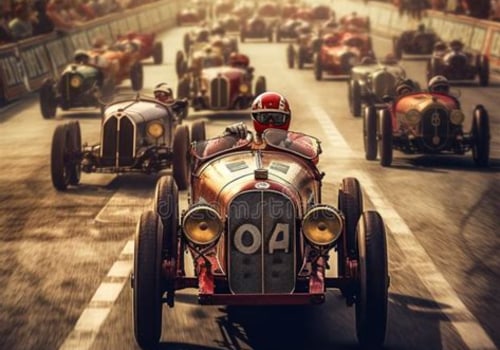
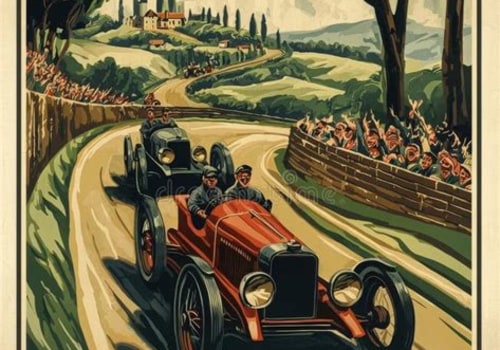
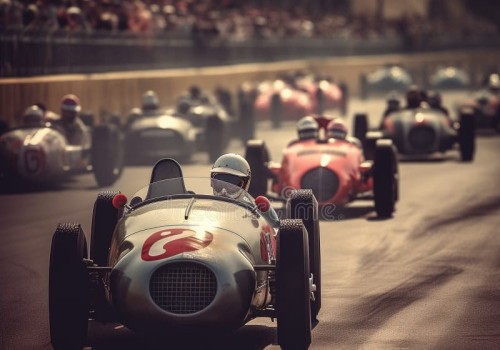
Vintage car racing is a unique motorsport that celebrates the beauty and engineering of classic automobiles, typically manufactured before 1972. This form of racing not only showcases the performance of these historic vehicles but also serves as a nostalgic reminder of automotive history.The roots of vintage car racing can be traced back to the early 20th century when automobile enthusiasts began organizing informal races. As the popularity of these events grew, formal organizations emerged, leading to the establishment of dedicated vintage racing clubs and events. The history of vintage car racing is rich, with iconic races such as the Mille Miglia in Italy and the Goodwood Revival in England becoming legendary in their own right.One of the defining characteristics of vintage car racing is the diversity of vehicles involved. Participants often race cars that range from pre-war classics to mid-century sports cars, each with its own unique story and engineering marvels.These vehicles are not just about speed; they embody a certain charm and craftsmanship that modern cars often lack.
- Types of Vehicles: Vintage races feature a variety of models, including:
- Classic sports cars like the Jaguar E-Type and Porsche 911
- Pre-war racers such as Bugatti and Alfa Romeo
- American muscle cars from the 1960s
- Events: Some notable vintage car racing events include:
- The Pebble Beach Concours d'Elegance
- The Le Mans Classic
- The Historic Grand Prix of Monaco
The Evolution of Modern Car Racing
Modern car racing has undergone a remarkable transformation since its inception, evolving from simple competitions to highly sophisticated events that showcase cutting-edge technology and engineering prowess. This evolution can be attributed to several factors, including advancements in automotive technology, changes in audience expectations, and the introduction of various racing formats.Types of Modern Car Races
- Formula Racing: Known for its single-seater cars and open-wheel design, Formula racing includes prestigious events like Formula 1, where teams compete on a global scale.
- Touring Car Racing: This format features modified production cars racing on closed circuits, emphasizing both speed and handling.
- Sports Car Racing: Combining performance and endurance, this type includes events like the 24 Hours of Le Mans, where teams race for extended periods.
- Rally Racing: Involves racing on varied terrains, often in remote locations, testing both driver skill and vehicle durability.
Innovations such as hybrid powertrains, advanced aerodynamics, and real-time data analytics have revolutionized how teams approach races. For instance, hybrid systems not only enhance performance but also improve fuel efficiency, aligning with global sustainability trends. Additionally, the use of telemetry allows teams to monitor vehicle performance in real-time, enabling quick adjustments during races.Moreover, safety has become a paramount concern in modern racing. The introduction of features like the Halo device, which protects drivers' heads during crashes, exemplifies the industry's commitment to enhancing safety standards.
These advancements not only protect drivers but also contribute to the overall spectacle of modern car racing.In summary, understanding the evolution of modern car racing is crucial for appreciating its complexities and contrasts with vintage car racing. The blend of technology, diverse formats, and heightened safety measures defines the current landscape of this thrilling sport.
Key Differences Between Vintage and Modern Car Racing
When comparing vintage car racing to modern car racing, several key differences emerge that highlight the evolution of the sport. These differences can be categorized into technology, culture, audience engagement, and race formats.Technology
One of the most significant distinctions lies in the technology used in the vehicles.Vintage cars
, often built before the 1980s, feature simpler engineering and mechanical systems.They rely on carburetors, manual transmissions, and analog gauges. In contrast, modern racing cars utilize advanced technology such as fuel injection, automatic transmissions, and digital telemetry systems. This technological gap not only affects performance but also influences how drivers interact with their vehicles.
Culture
The culture surrounding vintage car racing is steeped in nostalgia and appreciation for automotive history. Enthusiasts often gather to celebrate the craftsmanship and design of classic cars.Events are typically more relaxed, focusing on camaraderie among participants and spectators. Conversely, modern car racing is often characterized by high-stakes competition, corporate sponsorships, and a fast-paced atmosphere that appeals to a broader audience.
Audience Engagement
In terms of audience engagement, vintage races tend to attract a dedicated fan base that values tradition and heritage. Spectators often enjoy the opportunity to see rare models in action and participate in events that celebrate automotive history. Modern races, however, leverage technology to enhance viewer experience through live broadcasts, social media interaction, and immersive fan experiences at the track.Race Formats
The formats of races also differ significantly.Vintage car races often feature longer laps with fewer cars on the track, allowing for a more leisurely pace that emphasizes skill over speed. In contrast, modern races are typically shorter and more intense, with larger fields of cars competing simultaneously. This difference in race structure reflects the varying objectives of each style: vintage racing prioritizes enjoyment and skillful driving, while modern racing focuses on speed and competition.In summary, while both vintage and modern car racing share a common passion for motorsport, they diverge significantly in technology, culture, audience engagement, and race formats. Understanding these differences enriches the appreciation for both styles of racing.
Cultural Impact and Community in Vintage Car Racing
The vintage car racing community is a vibrant tapestry woven from shared passions, nostalgia, and a deep appreciation for automotive history.Unlike modern racing, which often emphasizes speed and technology, vintage car racing celebrates the artistry and craftsmanship of classic vehicles. This cultural significance fosters a unique sense of belonging among enthusiasts, who often view their participation as a way to preserve automotive heritage.One of the most compelling aspects of the vintage car racing community is its inclusivity. Events such as the Goodwood Revival in the UK or the Monterey Historic Races in California attract participants and spectators from diverse backgrounds. These gatherings are not just about competition; they are social events where stories are shared, friendships are forged, and memories are created.
The atmosphere is often reminiscent of a family reunion, where everyone shares a common love for classic cars.
Cultural Significance of Vintage Cars
- Historical Appreciation: Vintage cars represent significant milestones in automotive design and engineering, allowing enthusiasts to connect with the past.
- Nostalgia: Many participants have personal stories tied to these vehicles, often recalling their childhood experiences or family connections.
- Artistic Expression: The design and aesthetics of vintage cars are celebrated as forms of art, with many enthusiasts restoring vehicles to their original glory.
As long as there are enthusiasts passionate about preserving these classic machines, the legacy of vintage car racing will continue to thrive.
The Role of Technology in Modern Car Racing
In the realm of modern car racing, technology plays a pivotal role that starkly contrasts with the simpler mechanics of vintage car racing. The advancements in engineering and technology have not only enhanced performance but also significantly improved safety measures, making racing a more thrilling yet secure experience for drivers and spectators alike.Innovations in car racing
have led to the development of sophisticated telemetry systems that provide real-time data on vehicle performance. Teams can monitor everything from tire pressure to engine temperature, allowing for immediate adjustments during races. This level of data analysis was virtually nonexistent in vintage racing, where drivers relied heavily on their instincts and experience.- Aerodynamics: Modern race cars are designed with advanced aerodynamic features that reduce drag and increase downforce, enabling higher speeds and better handling on the track.
- Materials: The use of lightweight materials such as carbon fiber has revolutionized car construction, allowing for faster acceleration and improved fuel efficiency.
- Hybrid Technology: Many contemporary racing series incorporate hybrid engines, combining traditional combustion engines with electric power to enhance performance while reducing environmental impact.
Race strategy has evolved with the integration of advanced simulation software, enabling teams to predict outcomes based on various scenarios. This strategic depth adds a layer of complexity that vintage races simply did not possess.As we look to the future of the sport, it is clear that technology will continue to shape modern car racing. Innovations such as autonomous driving systems and artificial intelligence are on the horizon, promising to further transform how races are conducted. While vintage car racing holds a nostalgic charm rooted in simplicity and raw skill, the technological advancements in modern racing create an exhilarating spectacle that captivates audiences worldwide.
Frequently Asked Questions about Vintage and Modern Car Racing
When it comes to vintage car racing, many enthusiasts and newcomers alike have questions about how it compares to modern car races.Here are some frequently asked questions that can help clarify these differences:
- What defines a vintage car? Vintage cars are typically defined as vehicles manufactured between 1919 and 1930. However, the term can also encompass classic cars from the 1930s to the 1970s, depending on the racing organization.
- How do the rules differ between vintage and modern races? Vintage car racing often adheres to regulations that prioritize authenticity and preservation of the original vehicle specifications. In contrast, modern races may allow for more technological advancements and modifications to enhance performance.
- Are safety standards different? Yes, safety standards have evolved significantly over the years. Modern races implement stringent safety measures, including advanced crash barriers and driver suits, while vintage races may follow older guidelines that reflect the era of the cars being raced.
- What types of tracks are used? Vintage car races often take place on historic tracks that have been preserved for their cultural significance, whereas modern races might utilize state-of-the-art facilities designed for high-speed competition.
Each type offers a unique experience, celebrating different aspects of automotive history and technology. If you're considering attending a race or participating in one, knowing these differences can help you choose the right event that aligns with your interests.
Conclusion: Celebrating Both Worlds of Car Racing
In conclusion, the world of vintage car racing offers a unique charm and nostalgia that contrasts sharply with the high-tech, precision-driven nature of modern car racing. Each form of racing has its own distinct appeal, drawing in enthusiasts for different reasons.Vintage car racing
celebrates the artistry and engineering of classic automobiles, allowing fans to witness the evolution of automotive design and performance. The races are often characterized by their slower speeds and the skill required to handle these older machines, which can be a thrilling experience for both drivers and spectators alike. On the other hand, modern car racing showcases cutting-edge technology and innovation. With advancements in aerodynamics, materials, and engine performance, these races are a testament to what is possible in the realm of speed and efficiency.The excitement of watching cars reach incredible speeds while utilizing advanced telemetry and strategy adds a different layer of engagement for fans. Ultimately, both vintage and modern car racing contribute to the rich tapestry of motorsport culture. They each tell a story—one rooted in history and tradition, the other in progress and competition. By appreciating both forms, enthusiasts can gain a deeper understanding of how far we have come in automotive history while still honoring the past. As we celebrate these two worlds, let us remember that whether it’s the roar of a classic engine or the whir of a modern race car, the passion for racing unites us all.