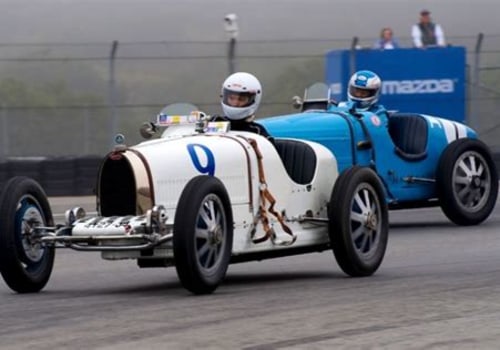
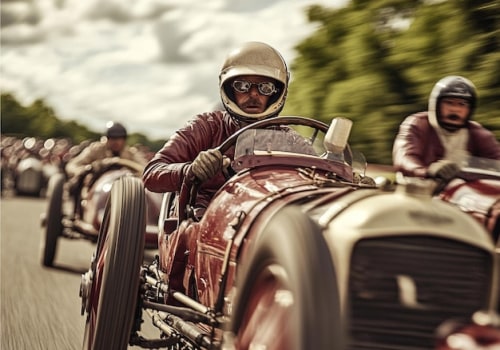
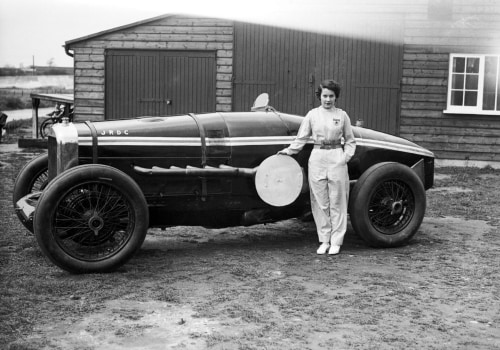
Vintage car racing is more than just a motorsport; it is a celebration of automotive history and engineering excellence. This thrilling activity involves racing cars that are typically over 30 years old, showcasing the craftsmanship and design of a bygone era. As enthusiasts gather to witness these classic machines in action, they not only enjoy the spectacle but also pay homage to the rich heritage of the automotive industry. The roots of vintage car racing can be traced back to the early 20th century when automobile racing began to gain popularity. Events like the Mille Miglia in Italy and the Le Mans 24 Hours in France set the stage for what would become a global passion for racing vintage vehicles.
Over the decades, these races have evolved, but the core essence remains: a deep appreciation for the artistry and innovation that defined each era of automotive design. Understanding vintage car racing is essential for anyone interested in participating, whether as a driver or a spectator. It encompasses not only the thrill of competition but also the camaraderie among participants who share a love for classic cars. As we delve deeper into this fascinating world, we will explore what it takes for drivers to qualify for these prestigious events, ensuring that both safety and authenticity are upheld in every race.
Eligibility Criteria for Vintage Car Racing
Participating in vintage car racing requires drivers to meet specific eligibility criteria that ensure safety and fairness on the track. Below are the primary requirements that aspiring racers should consider:- Age Requirement: Most vintage car racing events require drivers to be at least 18 years old.
Some organizations may allow younger participants, but they typically need parental consent and may have additional restrictions.
- Experience Level: Drivers are generally expected to have a certain level of racing experience. This can include previous participation in amateur or professional racing events. Many vintage racing clubs recommend that drivers have at least one season of experience in a similar racing environment.
- Licensing: A valid racing license is often required to compete in vintage car races. This license can be obtained through various motorsport organizations, which may require drivers to complete a training program or pass specific tests to demonstrate their driving skills.
- Vehicle Eligibility: The car itself must meet specific criteria to qualify for vintage racing.
Typically, vehicles must be manufactured at least 25 years ago and adhere to the regulations set by the racing organization regarding modifications and safety equipment.
- Safety Gear: Drivers must wear appropriate safety gear, including a helmet, fire-resistant suit, gloves, and shoes. Compliance with safety standards is crucial for participation in any racing event.
Types of Vintage Car Races and Their Specific Requirements
Vintage car racing encompasses a variety of events, each with its own unique set of requirements and qualifications. Understanding these distinctions is crucial for drivers aspiring to participate in this exhilarating motorsport.Circuit Races
Circuit races are held on closed tracks, where drivers compete for the fastest lap times.To qualify for these events, participants typically need:
- Valid Racing License: Most circuit races require drivers to hold a recognized racing license, which demonstrates their competency and understanding of racing rules.
- Vehicle Eligibility: Cars must meet specific criteria regarding age, model, and modifications. For instance, many events only allow vehicles manufactured before a certain year.
- Safety Equipment: Drivers must wear appropriate safety gear, including helmets, fire-resistant suits, and gloves, to ensure their protection during the race.
Hill Climbs
Hill climb events challenge drivers to race against the clock on steep and winding roads. The requirements for hill climbs often include:- Technical Inspection: Vehicles undergo rigorous inspections to ensure they are safe and compliant with event regulations.
- Experience Level: Some hill climb events may require drivers to have prior experience in similar races or a certain number of completed races.
- Class Specifications: Cars are categorized into classes based on their specifications, and drivers must enter their vehicle in the correct class to compete fairly.
Endurance Races
Endurance races test both driver skill and vehicle reliability over extended periods. Key requirements include:- Team Participation: Many endurance races require teams of drivers to share driving duties, necessitating coordination and strategy.
- Fuel and Tire Regulations: Participants must adhere to strict regulations regarding fuel types and tire specifications to ensure a level playing field.
- Logbook Documentation: Drivers may need to provide detailed logbooks documenting their vehicle's history and any modifications made.
By understanding the specific requirements for each event, drivers can better prepare themselves and their vehicles for the thrilling world of vintage car racing.
The Role of Racing Organizations and Sanctioning Bodies
In the world of vintage car racing, the role of racing organizations and sanctioning bodies is crucial in establishing the framework within which drivers must operate. These entities not only set the rules for competition but also determine the qualifications necessary for drivers to participate in races.Racing organizations
, such as the Vintage Sports Car Club of America (VSCCA) and the Historic Sports Car Club (HSCC), are dedicated to preserving the spirit of vintage racing. They create guidelines that ensure fair competition while maintaining the authenticity of the vehicles. These organizations often have specific requirements regarding the age and type of cars eligible for racing, which directly impacts driver qualifications.Sanctioning bodies
, like the International Motor Sports Association (IMSA) or the Sports Car Club of America (SCCA), play a pivotal role in overseeing events and ensuring compliance with safety standards.They provide a structured environment where drivers can compete under regulated conditions. To qualify for a vintage race, drivers typically need to obtain a license from these sanctioning bodies, which may require passing a series of tests or demonstrating prior racing experience.
- Driver Licensing: Most sanctioning bodies require drivers to hold a valid racing license, which may involve completing a training program or participating in practice sessions.
- Vehicle Eligibility: Organizations often have strict criteria regarding vehicle specifications, including engine size, weight, and modifications, which must be adhered to for qualification.
- Safety Equipment: Compliance with safety regulations is mandatory. Drivers must wear appropriate gear, including helmets and fire-resistant suits, as stipulated by the governing body.
Preparing Your Vintage Car for Racing
Preparing your vintage car for racing involves a series of essential modifications and safety checks to ensure both performance and compliance with racing regulations.Here are the key areas to focus on:
- Safety Equipment: The first priority in vintage car racing is ensuring that your vehicle meets safety standards. This includes installing a roll cage, which provides structural integrity during a crash, and using racing seats with proper harnesses to secure the driver. Additionally, fire extinguishers should be easily accessible within the car.
- Braking System: Upgrading the braking system is crucial for handling the increased speeds of racing. Consider installing high-performance brake pads and rotors, as well as ensuring that the brake lines are in good condition.
A dual-circuit braking system is often recommended for added safety.
- Suspension and Tires: Modifying the suspension can greatly enhance handling. Upgrading to adjustable shocks and springs allows for better tuning based on track conditions. Furthermore, selecting the right tires is vital; they should provide optimal grip while adhering to vintage racing regulations.
- Engine Modifications: While maintaining the authenticity of your vintage car is important, some modifications may be necessary to improve performance. This could include tuning the engine for better horsepower or upgrading components like the carburetor or exhaust system.
However, ensure that any changes comply with the specific rules of the racing event.
Training and Experience: Building Your Skills as a Vintage Racer
To excel in vintage car racing, aspiring racers must prioritize both training and experience. These elements are crucial for developing the necessary skills to navigate the unique challenges presented by vintage vehicles.Training for Vintage Car Racing
Formal training can significantly enhance a driver's capabilities.Many racing schools offer specialized programs focusing on vintage cars, where participants learn about the specific handling characteristics and mechanical nuances of these classic machines. Look for schools that provide:
- Track Days: Opportunities to practice on actual race tracks under professional supervision.
- Workshops: Sessions that cover vehicle maintenance, setup, and tuning specific to vintage models.
- Simulations: Advanced driving simulators that replicate the experience of racing vintage cars.
Gaining Experience in Vintage Racing
Experience is equally important. Start by participating in local club events or track days where you can drive vintage cars in a less competitive environment. This exposure allows you to:- Understand Vehicle Dynamics: Learn how different vintage cars respond to various driving techniques.
- Network with Other Racers: Build relationships with seasoned racers who can offer valuable insights and mentorship.
- Compete in Lower-Stakes Events: Enter regional races to gain firsthand experience while minimizing pressure.
Skills Needed for Vintage Racers
A successful vintage racer must develop a unique skill set, including:- Precision Driving: Mastering the art of smooth steering and braking to maintain control over older vehicles.
- Tuning Knowledge: Understanding how to adjust settings for optimal performance based on track conditions.
- Crisis Management: Being able to react quickly and effectively to unexpected situations on the track.
By honing these skills, drivers can not only improve their performance but also enjoy the rich heritage and excitement that comes with racing classic automobiles.
Common FAQs About Qualifying for Vintage Car Races
When it comes to vintage car racing, many aspiring racers have questions about the qualification process. Here are some of the most common FAQs:- What are the age requirements for drivers? Most vintage car races require drivers to be at least 18 years old. However, some events may allow younger drivers if they have parental consent and meet specific safety criteria.
- Do I need a special racing license? Yes, most vintage racing organizations require drivers to possess a valid racing license. This can often be obtained through a recognized motorsport association after completing a training program or passing a driving test.
- Are there specific car requirements? Absolutely! Each vintage race has its own set of regulations regarding the age, make, and model of the cars allowed.
Typically, vehicles must be at least 20-30 years old and meet certain safety standards.
- How do I prepare my car for a vintage race? Preparation is key. Ensure your car is in excellent mechanical condition, meets all safety regulations, and has the necessary equipment such as roll cages, harnesses, and fire extinguishers. It's also advisable to have your vehicle inspected by a professional before the race.
- Is there a practice session before the race? Most vintage racing events include practice sessions where drivers can familiarize themselves with the track and their vehicles. Participating in these sessions is highly recommended to improve performance and safety.
Conclusion: The Journey to Becoming a Vintage Car Racer
In conclusion, the journey to becoming a vintage car racer is both thrilling and demanding.As we have explored, qualifying for vintage car racing involves a combination of passion, skill, and adherence to specific regulations. Understanding the requirements is crucial for aspiring racers. First and foremost, drivers must familiarize themselves with the rules and regulations set forth by racing organizations. These guidelines not only ensure safety but also maintain the integrity of the sport. Each vintage car race may have unique criteria regarding vehicle eligibility, driver experience, and safety equipment. Additionally, gaining experience through practice sessions and participating in local events can significantly enhance a driver's skills.
Many successful vintage racers started by attending driving schools or joining clubs that focus on classic cars. This hands-on experience is invaluable in mastering the nuances of handling vintage vehicles. Moreover, networking within the vintage racing community can open doors to mentorship opportunities and valuable insights from seasoned racers. Engaging with fellow enthusiasts can provide support and motivation as you navigate your racing journey. Ultimately, pursuing a passion for vintage car racing requires dedication and perseverance. Whether you are drawn to the thrill of competition or the love of classic automobiles, remember that every racer started somewhere.
Embrace the challenges ahead, stay committed to your goals, and enjoy every moment on the track.