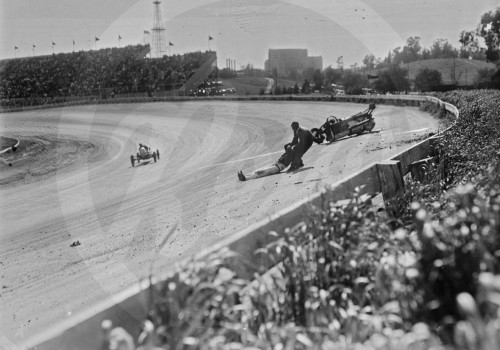
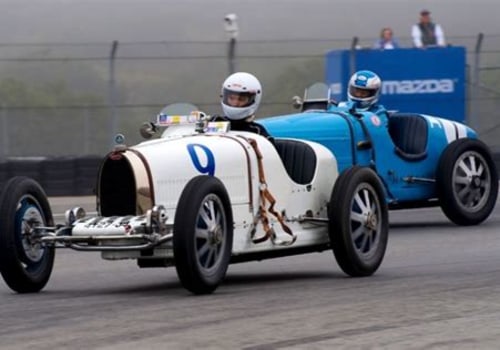
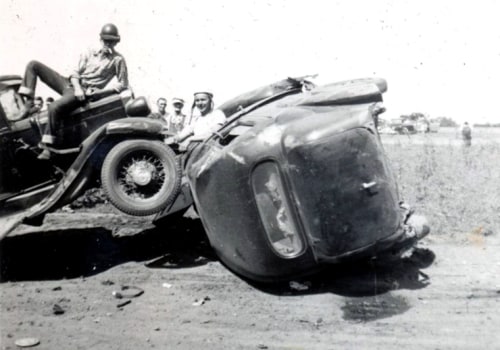
The roots of vintage car racing can be traced back to the early 20th century, a time when the automobile was still a novel invention capturing the imagination of the public. As cars became more accessible, enthusiasts began to explore their potential not just for transportation but also for speed and competition. The first organized races took place in Europe, with events like the Paris-Rouen race in 1894 marking significant milestones in automotive history. These early competitions showcased the capabilities of various manufacturers and set the stage for what would evolve into a passionate racing culture. By the 1920s, vintage car racing began to take shape as a distinct category, with enthusiasts gathering to celebrate the craftsmanship and engineering of older vehicles.
Events such as the Mille Miglia in Italy and the Le Mans race in France attracted not only competitors but also spectators eager to witness the thrill of speed. These races were not merely about winning; they were a celebration of innovation and nostalgia, drawing attention to the beauty and history of classic automobiles. The allure of vintage car racing lies in its ability to connect generations through a shared love for automotive history. As cars from different eras raced side by side, they told stories of technological advancements and cultural shifts. This rich tapestry of history continues to inspire modern racing events, where vintage cars are revered not just as relics but as integral parts of the ongoing narrative of motorsport.
The Golden Age of Racing: 1920s to 1950s
The Golden Age of vintage car racing spanned from the 1920s to the 1950s, a period marked by rapid advancements in automotive technology and a burgeoning fascination with speed and competition.This era saw the rise of iconic races and legendary figures who would shape the future of motorsport.In the 1920s, car manufacturers began to recognize the potential of racing as a marketing tool. Events like the Indianapolis 500, first held in 1911, gained immense popularity, drawing large crowds and media attention. The introduction of streamlined designs and powerful engines led to thrilling races that captivated audiences.By the 1930s, vintage car racing had evolved significantly. The Mille Miglia, an open-road endurance race in Italy, became a symbol of this era, attracting elite drivers and showcasing cutting-edge automotive engineering.
The allure of these events was not just in the competition but also in the glamour associated with them, as wealthy enthusiasts began to participate.
- Key Events:
- Le Mans 24 Hours: Established in 1923, this endurance race became a benchmark for performance and reliability.
- Monaco Grand Prix: First held in 1929, it introduced a new level of prestige to car racing.
- Influential Figures:
- Enzo Ferrari: Founded Scuderia Ferrari in 1929, which would become synonymous with racing excellence.
- Juan Manuel Fangio: Dominated the 1950s with his exceptional skill and strategic prowess on the track.
The Revival in the Late 20th Century
The late 20th century marked a significant revival in vintage car racing, driven largely by a growing nostalgia for the classic automobiles of the past.As the 1980s approached, car enthusiasts began to seek out opportunities to celebrate and race these iconic vehicles, leading to a resurgence in interest that would shape the future of the sport.One of the key factors contributing to this revival was the establishment of numerous classic car events across the United States and Europe. These gatherings not only provided a platform for vintage car owners to showcase their prized possessions but also fostered a community of like-minded individuals passionate about automotive history. Events such as the Pebble Beach Concours d'Elegance and the Goodwood Revival became pivotal in promoting vintage car racing, attracting both participants and spectators alike.During this period, the allure of 1980s car racing was further amplified by media coverage and films that romanticized the golden age of motorsport. Documentaries and feature films highlighted legendary races and celebrated iconic drivers, rekindling public interest in vintage vehicles.
This cultural phenomenon encouraged many to restore classic cars, not just for display but for competitive racing.The combination of nostalgia, community events, and media influence created a perfect storm for the revival of vintage car racing. Enthusiasts began organizing races specifically for classic cars, leading to the formation of various racing series dedicated to preserving the spirit of these historic machines. As a result, vintage car racing transformed from a niche hobby into a vibrant segment of motorsport, attracting new fans and participants eager to experience the thrill of racing in vehicles that had once dominated the tracks.In conclusion, the late 20th century was a pivotal time for vintage car racing, as it transitioned from obscurity to prominence. The revival was fueled by a collective passion for classic cars, supported by events that celebrated their legacy and brought together enthusiasts from all walks of life.
Key Events and Races That Shaped Vintage Car Racing
The evolution of vintage car racing is marked by several key events and races that have significantly shaped its popularity and appeal.These iconic moments not only highlight the rich history of the sport but also showcase the passion of enthusiasts and collectors alike.
Important Vintage Car Races
- Le Mans Classic: Held every two years, this event celebrates the legendary 24 Hours of Le Mans race. It features vintage cars that have participated in the original race, allowing fans to witness the evolution of endurance racing.
- Mille Miglia: This historic Italian road race, which ran from 1927 to 1957, has been revived as a vintage rally. Participants drive classic cars along the original route, making it a pilgrimage for car lovers.
- Goodwood Revival: Since its inception in 1998, this event has become a cornerstone of vintage car racing. Set in the picturesque Goodwood Circuit in England, it features races exclusively for cars from the 1940s to the 1960s.
Famous Vintage Car Events
- Pebble Beach Concours d'Elegance: While primarily a car show, this prestigious event includes vintage racing exhibitions that attract collectors and enthusiasts from around the globe.
- Monaco Historic Grand Prix: This biennial event allows vintage Formula One cars to race on the same streets as their modern counterparts, blending history with contemporary motorsport.
The nostalgia associated with these races continues to draw crowds and participants, ensuring that the legacy of vintage racing remains vibrant and relevant.
The Role of Clubs and Organizations in Promoting Vintage Car Racing
The rise of vintage car racing can be largely attributed to the efforts of various clubs and organizations dedicated to preserving automotive history and fostering a community of enthusiasts. These groups play a crucial role in promoting the sport, organizing events, and creating a vibrant culture around vintage racing.Vintage car clubs
serve as the backbone of this community. They bring together like-minded individuals who share a passion for classic automobiles. Through regular meetings, social events, and track days, these clubs provide a platform for members to connect, share knowledge, and showcase their vehicles.Many clubs also offer resources for restoration and maintenance, ensuring that vintage cars remain in top condition for racing.Organizations such as the Vintage Sports Car Club (VSCC) and the Historic Sports Car Club (HSCC) have been instrumental in organizing races and events that attract participants and spectators alike. These organizations not only host competitive races but also emphasize the importance of safety and fair play, which helps maintain the integrity of the sport.Moreover, these clubs often collaborate with local communities to host vintage car shows and exhibitions, further promoting vintage car racing. Such events not only celebrate automotive history but also educate the public about the significance of preserving these classic vehicles. By engaging with local audiences, clubs help to cultivate a broader interest in vintage racing.In addition to fostering community, these organizations play a vital role in advocating for regulations that protect vintage racing.
They work closely with motorsport governing bodies to ensure that rules are in place to safeguard both participants and spectators while preserving the unique characteristics that define vintage racing.In conclusion, the popularity of vintage car racing is significantly bolstered by the dedicated efforts of clubs and organizations. Through their commitment to community building, event organization, and advocacy for preservation, they ensure that this thrilling sport continues to thrive for generations to come.
Modern Trends in Vintage Car Racing
In recent years, vintage car racing has experienced a resurgence, driven by a combination of technological advancements and a shifting demographic among participants and fans. This evolution reflects not only a passion for classic automobiles but also an adaptation to modern racing environments.Current trends
in vintage car racing highlight the integration of technology into traditional practices. Many vintage races now utilize advanced timing systems and telemetry, allowing for more precise performance tracking.This data-driven approach enhances the competitive aspect of racing while preserving the charm of classic vehicles. Additionally, the use of social media platforms has transformed how events are marketed and how communities engage with one another, fostering a vibrant online presence that attracts new enthusiasts.
Modern Vintage Races
Events like the Goodwood Revival and Monterey Motorsports Reunion have become iconic, showcasing not just the cars but also the culture surrounding them. These events often feature themed races that celebrate specific eras or manufacturers, drawing large crowds and media attention. The atmosphere is electric, with participants often dressing in period-appropriate attire, enhancing the nostalgic experience for both racers and spectators.The Future of Vintage Racing
Looking ahead, the future of vintage car racing appears promising.As younger generations become more involved, there is a growing interest in sustainability within the sport. Some organizations are exploring electric conversions for classic cars, allowing them to participate in races while minimizing their environmental impact. This trend not only preserves the legacy of these vehicles but also aligns with contemporary values regarding sustainability.Moreover, as vintage car racing continues to evolve, it is likely to attract a more diverse audience. Efforts to promote inclusivity within the sport are gaining traction, encouraging participation from various backgrounds and demographics.
This shift could lead to a richer community and more varied perspectives on what vintage racing can be.In conclusion, modern trends in vintage car racing reflect a dynamic interplay between tradition and innovation. As technology advances and demographics shift, the sport is poised for continued growth and transformation, ensuring that it remains relevant for future generations.
Frequently Asked Questions About Vintage Car Racing
Vintage car racing has garnered significant interest over the years, leading to a variety of questions from enthusiasts and newcomers alike. Here are some of the most frequently asked questions about vintage car racing.What is vintage car racing?
Vintage car racing refers to competitive motorsport events featuring classic cars that are typically at least 20 to 30 years old. These vehicles are often restored to their original specifications and compete in races that celebrate their historical significance and engineering.The focus is not only on speed but also on the preservation of automotive heritage.
When did vintage car racing become popular?
The popularity of vintage car racing began to rise in the late 20th century, particularly during the 1970s and 1980s. As classic cars became more accessible to collectors and enthusiasts, organized events started to emerge, allowing owners to showcase their vehicles in a competitive setting. This trend was fueled by a growing appreciation for automotive history and nostalgia for the golden age of motorsport.What types of cars are considered vintage?
- Cars manufactured before 1975 are generally classified as vintage.
- Models that have historical significance or unique engineering features are often prioritized.
- Popular brands in vintage racing include Ferrari, Porsche, and Jaguar.
Are there specific events for vintage car racing?
Yes, there are numerous events dedicated to vintage car racing, including:- The Goodwood Revival in the UK, which features races exclusively for pre-1966 cars.
- The Monterey Historic Automobile Races in California, showcasing a wide range of classic vehicles.
- The Le Mans Classic, which celebrates the legendary 24-hour race with vintage entries.
Conclusion: The Enduring Appeal of Vintage Car Racing
As we reflect on the journey of vintage car racing, it becomes clear that its allure is deeply rooted in a combination of nostalgia, craftsmanship, and community. The revival of interest in classic automobiles has not only preserved the history of racing but has also fostered a vibrant culture that celebrates the artistry and engineering of bygone eras.The popularity of vintage car racing can be attributed to several key factors:- Nostalgia: For many enthusiasts, vintage car racing evokes memories of a simpler time, where the thrill of speed was matched by the elegance of design.
This emotional connection draws both participants and spectators alike.
- Community: Vintage car racing events often bring together like-minded individuals who share a passion for classic cars. This sense of camaraderie enhances the experience, making it more than just a race; it becomes a celebration of shared interests.
- Preservation of History: By participating in vintage car racing, enthusiasts play a crucial role in preserving automotive history. Each race serves as a living museum, showcasing the evolution of technology and design.
- Skill and Strategy: Unlike modern racing, which often relies heavily on technology, vintage car racing emphasizes driver skill and strategy. This aspect attracts those who appreciate the art of driving and the challenge it presents.
As long as there are enthusiasts willing to restore and race these magnificent machines, the spirit of vintage car racing will continue to thrive, captivating new generations and ensuring that this cherished pastime remains alive for years to come.