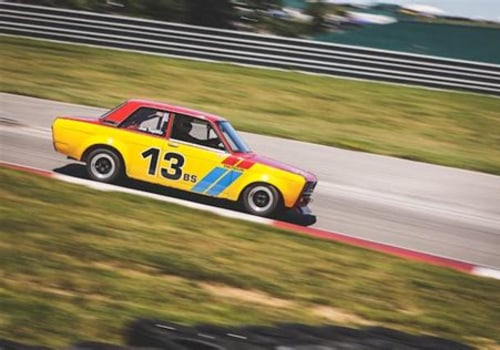
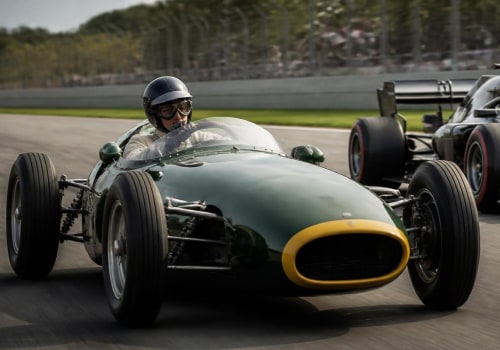
Vintage car racing is more than just a sport; it is a celebration of automotive history and engineering excellence. This thrilling pastime allows enthusiasts to experience the nostalgia of classic automobiles, showcasing vehicles that have shaped the racing world over decades. The roots of vintage car racing can be traced back to the early 20th century when speed and innovation became the driving forces behind automotive design. As these classic cars hit the tracks, they not only evoke memories of a bygone era but also highlight the craftsmanship and passion that went into their creation. The significance of vintage car racing extends beyond mere competition.
It serves as a platform for preserving automotive heritage, allowing collectors and fans to appreciate the unique characteristics of various models. From the sleek lines of pre-war racers to the roaring engines of 1960s muscle cars, each vehicle tells a story. Events dedicated to vintage racing often attract a diverse crowd, from seasoned racers to curious spectators, all eager to witness these magnificent machines in action. Understanding the different types of vintage cars involved in racing is essential for grasping the full scope of this sport. Categories can range from early classics built before World War II to iconic models from the 1970s.
Each type brings its own set of challenges and excitement, making every race a unique experience. As we delve deeper into the world of vintage car racing, we will explore not only the vehicles themselves but also the crucial role that pit crews play in ensuring these historic machines perform at their best on race day.
The Importance of Pit Crews in Racing
In the world of vintage car racing, the role of pit crews is not just important; it is essential for achieving success on the track. These dedicated teams are responsible for a variety of critical functions that can significantly influence the outcome of a race.Key Responsibilities of Pit Crews
- Tire Changes: One of the most visible tasks performed by pit crews is changing tires. In vintage car racing, where tire performance can vary greatly, quick and efficient tire changes can provide a competitive edge.
- Refueling: Ensuring that the car has enough fuel to finish the race is crucial.
Pit crews must execute refueling operations swiftly to minimize downtime.
- Mechanical Adjustments: Vintage cars often require adjustments during a race due to wear and tear or changing track conditions. Pit crews are trained to make these adjustments quickly and effectively.
- Driver Support: Beyond mechanical tasks, pit crews also provide vital support to drivers, offering hydration, strategy updates, and emotional encouragement during high-pressure moments.
Drivers rely on their teams to make quick decisions based on real-time data from the track, which can affect tire choices, fuel strategies, and even when to push for speed or conserve resources.In conclusion, the importance of pit crews in vintage car racing cannot be overstated. Their multifaceted roles not only enhance the performance of vintage cars but also contribute significantly to the overall racing experience. A skilled pit crew is often as crucial as the driver behind the wheel, making them indispensable in the pursuit of victory.
Key Responsibilities of a Pit Crew
In the high-stakes world of vintage car racing, the role of the pit crew is crucial for ensuring that each vehicle performs at its best throughout the race. The responsibilities of a pit crew extend beyond mere tire changes; they encompass a variety of tasks that are essential for maintaining the car's performance and safety.- Tire Changes: One of the most visible tasks performed by pit crews is changing tires.
Vintage cars often require specialized tires that can handle the unique demands of the track. A quick and efficient tire change can significantly impact a team's overall race time.
- Refueling: During a race, refueling is another critical task. Pit crews must ensure that the car is refueled quickly and safely, as any delay can cost valuable seconds. This process requires precision to avoid spills and ensure that the car is ready to hit the track again without delay.
- Repairs: Vintage cars may be more prone to mechanical issues due to their age and design.
Pit crews are trained to perform quick repairs on-site, whether it’s fixing a minor mechanical issue or addressing a tire puncture. Their ability to troubleshoot and resolve problems swiftly can be the difference between finishing the race or retiring early.
- Adjustments: Beyond repairs, pit crews also make necessary adjustments to optimize vehicle performance. This can include tweaking suspension settings or adjusting tire pressure based on track conditions, which is vital for maintaining speed and handling.
The synergy between drivers and their pit crews is built on trust and communication, ensuring that every task is executed flawlessly under pressure.In summary, the responsibilities of a pit crew in vintage car racing are multifaceted and critical to a team's success. From tire changes to quick repairs, their expertise not only enhances vehicle performance but also plays a vital role in the overall strategy of the race.
Team Dynamics and Communication
In the high-stakes world of vintage car racing, the role of the pit crew extends far beyond mere tire changes and refueling. Effective teamwork and communication are crucial elements that can significantly influence a team's performance during a race. Each member of the pit crew must understand their specific responsibilities while also being aware of the overall strategy.Teamwork in the Pit
- Coordination: Every second counts in vintage car racing, and a well-coordinated pit crew can shave precious time off pit stops.
This requires each member to perform their tasks in sync, whether it’s changing tires, refueling, or making adjustments to the car.
- Trust: Trust among team members is essential. Each crew member must have confidence in their colleagues' abilities to execute their roles flawlessly, which fosters a supportive environment that enhances performance.
- Role Clarity: Clearly defined roles help prevent confusion during high-pressure situations. Each crew member should know their specific duties and how they contribute to the overall success of the pit stop.
Communication Strategies
- Pre-Race Meetings: Before the race, teams often hold meetings to discuss strategies, roles, and potential scenarios that may arise during the race. This preparation helps ensure everyone is on the same page.
- Hand Signals: In the noisy environment of a racetrack, verbal communication can be challenging.
Many teams use hand signals or colored flags to convey important information quickly and effectively.
- Real-Time Updates: During a race, having a designated communicator who relays information from the driver to the pit crew can make a significant difference. This ensures that all team members are informed about any changes in strategy or issues with the car.
Training and Skills Required for Pit Crew Members
Becoming a successful member of a pit crew in vintage car racing requires a unique blend of training and skills. The fast-paced environment of a pit stop demands not only technical knowledge but also physical fitness and teamwork.Essential Training for Pit Crew Members
Training for pit crew members often begins with a solid foundation in automotive mechanics.Understanding how vintage cars operate, including their unique systems and components, is crucial. Many aspiring crew members start by taking courses in automotive technology or participating in hands-on workshops that focus on vintage vehicles.In addition to mechanical training, many teams conduct simulation drills to prepare for race day. These drills help crew members practice their roles under pressure, ensuring that they can perform tasks such as tire changes, refueling, and adjustments quickly and efficiently.
Key Skills Required
- Technical Knowledge: A deep understanding of vintage car mechanics is essential. Crew members should be familiar with the specific models they work on, including their quirks and maintenance needs.
- Physical Fitness: The ability to perform physically demanding tasks quickly is vital.
Crew members often need to lift heavy equipment and work in tight spaces, making strength and agility important.
- Teamwork: Pit stops are a coordinated effort. Effective communication and collaboration among crew members can significantly impact the speed and efficiency of the pit stop.
- Problem-Solving Skills: Issues can arise unexpectedly during a race. Crew members must think on their feet and make quick decisions to address any problems that may occur.
Challenges Faced by Pit Crews in Vintage Racing
In the world of vintage car racing, pit crews encounter a unique set of challenges that differ significantly from those faced in modern racing.These challenges stem primarily from the age and technology of the vehicles they service, as well as the specific regulations governing vintage events.
Dealing with Older Technology
- Limited Resources: Many vintage cars utilize outdated technology, which can complicate repairs and maintenance during races. Pit crews must be well-versed in older mechanical systems, often requiring specialized knowledge that is not commonly found in modern racing.
- Parts Availability: Sourcing replacement parts for vintage vehicles can be a daunting task. Pit crews often have to rely on their ingenuity to fabricate or repair components on the spot, which can be time-consuming and requires a high level of skill.
Maintaining Safety Standards
- Adhering to Regulations: Vintage racing is governed by strict safety regulations that may not align perfectly with the capabilities of older cars. Pit crews must ensure that all safety equipment is up to date while also respecting the historical integrity of the vehicle.
- Risk Management: The inherent risks associated with racing vintage cars are heightened due to their age and condition.
Pit crews must be vigilant in monitoring the performance of these vehicles, identifying potential hazards before they escalate into serious issues.
Overcoming Obstacles in Racing Pits
- Time Constraints: In vintage car racing, every second counts. Pit crews must work efficiently under pressure, often with limited time to complete necessary adjustments or repairs during pit stops.
- Team Coordination: Effective communication and teamwork are crucial in overcoming the challenges faced during races. Each member of the pit crew must understand their role and execute it flawlessly to ensure a successful pit stop.
The Evolution of Pit Crews in Vintage Car Racing
The role of pit crews in vintage car racing has undergone significant transformation since the early days of motorsport.Initially, pit stops were rudimentary, often involving just a few mechanics who would perform basic maintenance and refueling. As the sport evolved, so did the complexity and specialization of pit crews.
The Early Days
In the early 20th century, racing teams were often small, with drivers relying on friends or local mechanics to assist during races. The focus was primarily on speed and endurance rather than the efficiency of pit stops. Teams would make quick stops to change tires or refuel, but these operations were far from the well-oiled machines we see today.Mid-Century Innovations
By the mid-1900s, as vintage car racing gained popularity, teams began to recognize the importance of a dedicated pit crew.This period saw the introduction of specialized roles within the crew, such as tire changers and fuelers. The need for speed during pit stops became paramount, leading to innovations in tools and techniques.
Modern Techniques
Today, vintage car racing pits are equipped with advanced tools and technology that streamline the process. Crews are often composed of highly trained individuals who practice their roles extensively. The use of communication systems allows for real-time updates between drivers and their teams, ensuring that every second counts during a pit stop.- Team Coordination: Modern pit crews operate with precise coordination, often completing tire changes in under 10 seconds.
- Specialized Training: Crew members undergo rigorous training to master their specific tasks, enhancing overall efficiency.
- Safety Protocols: With advancements in safety gear and procedures, crews are better equipped to handle emergencies during pit stops.
As technology continues to advance, we can expect further innovations that will enhance both performance and safety in the pits.
FAQs About Pit Crews in Vintage Car Racing
Understanding the role of pit crews in vintage car racing is essential for fans and participants alike. Here are some frequently asked questions that shed light on their critical functions:What do pit crews do in vintage car racing?
Pit crews are responsible for a variety of tasks that ensure a car is race-ready. Their primary duties include:- Tire changes: Quickly replacing tires during pit stops to optimize performance.
- Refueling: Ensuring the car has enough fuel to complete the race, which can be crucial in longer events.
- Adjustments: Making necessary adjustments to the car's setup, such as suspension tweaks or aerodynamic changes.
- Repairs: Addressing any mechanical issues that arise during the race, which can be vital for maintaining competitiveness.
Why are pit crews important in vintage car racing?
The efficiency and skill of a pit crew can significantly impact a team's success. In vintage car racing, where every second counts, a well-coordinated pit stop can mean the difference between winning and losing.The crew's ability to perform under pressure while maintaining high standards of safety and precision is crucial.
How many members are typically in a pit crew?
The size of a pit crew can vary depending on the specific event and regulations, but it usually consists of 5 to 10 members. Each member has a designated role, from tire changers to fuelers, ensuring that every aspect of the pit stop is handled efficiently.What skills are essential for pit crew members?
Members of a pit crew must possess a range of skills, including:- Technical knowledge: Understanding the mechanics of vintage cars is vital for effective repairs and adjustments.
- Teamwork: Coordination among crew members is essential for executing quick and efficient pit stops.
- Communication: Clear communication helps prevent mistakes during high-pressure situations.
Conclusion: The Indispensable Role of Pit Crews in Vintage Car Racing
In the world of vintage car racing, the significance of pit crews cannot be overstated. These dedicated teams are the backbone of any successful racing effort, ensuring that every aspect of a vehicle's performance is optimized during the race.From tire changes to refueling, the efficiency and expertise of pit crews can mean the difference between victory and defeat.Throughout this article, we have explored various facets of how pit crews contribute to the success of vintage car racing. Their roles extend beyond mere mechanical support; they embody teamwork, strategy, and precision under pressure. Each member of a pit crew has a specific responsibility, whether it’s managing fuel levels, adjusting tire pressure, or conducting quick repairs. This specialization allows for a seamless operation that can dramatically reduce the time spent in the pits.
- Speed and Efficiency: The ability to execute rapid pit stops is crucial in vintage car racing.
A well-coordinated crew can shave precious seconds off a car's total race time.
- Technical Expertise: Vintage cars often require specialized knowledge due to their unique engineering and historical significance. Pit crews must be well-versed in these intricacies to perform effective maintenance and repairs.
- Strategic Decision-Making: Pit crews play a vital role in race strategy, making real-time decisions based on track conditions, competitor performance, and fuel consumption.