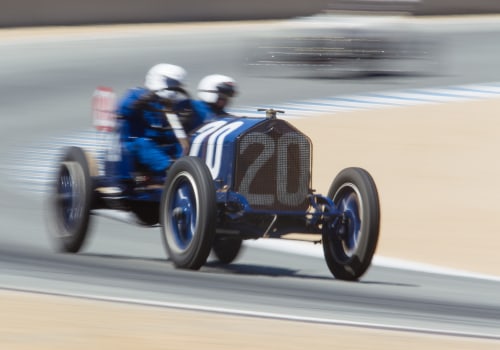
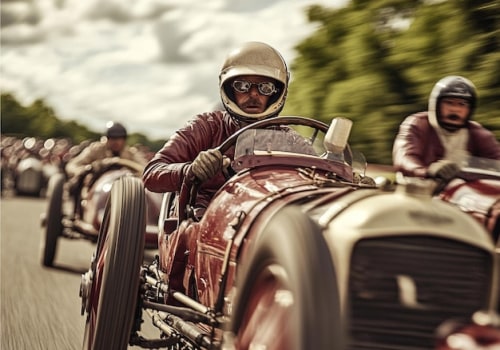
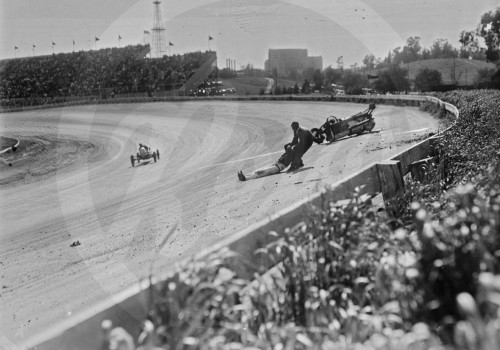
Vintage car racing is more than just a sport; it is a celebration of automotive history and engineering excellence. This thrilling pastime allows enthusiasts to experience the nostalgia of classic automobiles while competing on the racetrack. The roots of vintage car racing can be traced back to the early 20th century when motorsport began to gain popularity. As cars evolved, so did the passion for racing them, leading to the establishment of various events dedicated to preserving and showcasing these magnificent machines. The allure of vintage car racing lies not only in the beauty and craftsmanship of the vehicles but also in the stories they tell.
Each car represents a unique chapter in automotive history, reflecting the technological advancements and design philosophies of its time. From the roaring engines of pre-war racers to the sleek lines of 1960s sports cars, these vehicles embody a rich heritage that continues to captivate fans around the world. As we delve deeper into the world of vintage car racing, it becomes evident that technology has played a pivotal role in shaping this sport. While traditionalists may cherish the authenticity of racing as it was originally conceived, modern innovations have introduced new dimensions to the experience. From advanced timing systems to enhanced safety measures, technology has transformed how races are conducted and how enthusiasts engage with their beloved cars.
This intersection of technology and vintage car racing not only preserves the past but also paves the way for future generations to appreciate these timeless machines.
The Historical Context of Vintage Car Racing
The origins of vintage car racing can be traced back to the early 20th century, a time when automobiles were becoming increasingly popular and accessible. The first organized races took place in Europe, with events like the Paris-Rouen race in 1894, which marked the beginning of competitive driving. These early races were not just about speed; they showcased the engineering prowess of the time and set the stage for what would evolve into a global phenomenon.As the decades progressed, car racing began to evolve significantly. The introduction of new technologies, such as the internal combustion engine and advancements in aerodynamics, transformed racing dynamics.By the 1920s and 1930s, manufacturers like Alfa Romeo and Bugatti were pushing the boundaries of speed and performance, leading to iconic races like the Mille Miglia and Le Mans.In the post-war era, classic cars became synonymous with racing heritage. The 1950s and 1960s saw a surge in interest for vintage models, as enthusiasts sought to preserve these mechanical marvels. Events dedicated to vintage car racing began to emerge, allowing collectors and racers alike to celebrate their passion for these historic vehicles.Key milestones in this evolution include:
- The establishment of vintage racing clubs: Organizations such as the Vintage Sports Car Club (VSCC) in the UK played a crucial role in promoting vintage racing events.
- The introduction of regulations: To ensure fair competition, rules were established that defined what constituted a vintage car, typically focusing on models produced before a certain year.
- The rise of technology: From timing systems to safety gear, technology has continually enhanced both the experience and safety of vintage car racing.
Technological Advancements in Vintage Car Racing
The world of vintage car racing has undergone significant transformations due to various technological advancements.These innovations have not only enhanced the performance of classic vehicles but have also improved safety measures, ensuring that enthusiasts can enjoy the thrill of racing while minimizing risks.
Safety Improvements
- Advanced Materials: The introduction of lightweight yet durable materials, such as carbon fiber and reinforced plastics, has revolutionized the construction of vintage race cars. These materials help reduce weight while maintaining structural integrity, leading to better handling and performance.
- Modern Safety Equipment: Vintage racers now benefit from contemporary safety gear, including advanced helmets, fire-resistant suits, and improved harness systems. These enhancements significantly reduce the risk of injury during high-speed races.
- Engine Technology: Innovations in engine tuning and fuel efficiency have allowed vintage cars to perform at levels previously thought unattainable. Modern fuel injection systems and electronic management tools enable precise control over engine performance, enhancing speed and reliability.
- Tire Technology: The development of high-performance tires specifically designed for vintage racing has improved grip and handling.
These tires provide better traction on various surfaces, allowing drivers to push their classic cars to the limit.
- Aerodynamics: Advances in aerodynamic design have led to modifications in vintage car shapes, optimizing airflow and reducing drag. This not only enhances speed but also improves fuel efficiency during races.
- Data Analytics: The use of telemetry and data analysis tools allows teams to monitor vehicle performance in real-time. This data-driven approach helps in making informed decisions regarding tuning and strategy during races.
The Role of Data Analytics and Telemetry
In the world of vintage car racing, the integration of data analytics and telemetry has revolutionized how teams approach performance and strategy.While vintage cars are celebrated for their classic designs and historical significance, the application of modern technology has allowed racers to gain insights that were previously unattainable.
Data Analytics in Racing
- Performance Metrics: Teams can now collect and analyze data on various performance metrics such as speed, acceleration, and braking efficiency. This information helps in understanding how a car performs under different conditions.
- Predictive Analysis: By utilizing historical data, teams can predict potential issues before they arise, allowing for proactive maintenance and adjustments to enhance performance.
- Driver Behavior: Analyzing driver behavior through data can lead to tailored coaching strategies, helping drivers improve their skills and adapt their techniques to maximize speed and control.
Telemetry in Vintage Car Racing
- Real-Time Monitoring: Telemetry systems enable real-time monitoring of a car's performance during races. This allows teams to make immediate adjustments based on live data, such as tire pressure and engine temperature.
- Data Transmission: Advanced telemetry systems can transmit data wirelessly, providing teams with crucial information without the need for physical connections that could hinder the vintage aesthetic.
- Strategic Decisions: With access to real-time data, teams can make informed strategic decisions regarding pit stops, tire changes, and fuel management, ultimately enhancing their chances of success on the track.
Impact of Social Media and Online Communities
The rise of social media has significantly transformed the landscape of vintage car racing, creating new avenues for enthusiasts to connect, share, and promote their passion.Platforms like Instagram, Facebook, and Twitter have become essential tools for vintage car racers and fans alike, allowing them to showcase their vehicles, share racing experiences, and engage with a global community.One of the most notable impacts of social media is the ability to form online communities. These communities serve as virtual meeting places where vintage car enthusiasts can exchange tips, discuss restoration techniques, and organize events. For instance, Facebook groups dedicated to specific makes or models allow members to post questions, share photos of their projects, and even arrange meet-ups at local races or shows.Moreover, social media has democratized the way information is disseminated within the vintage car racing community. Enthusiasts no longer rely solely on traditional media outlets; instead, they can follow influencers and experts who provide real-time updates on racing events, industry news, and technological advancements.
This shift has empowered individuals to become content creators themselves, sharing their unique perspectives and experiences with a wider audience.In addition to fostering community engagement, digital marketing strategies have also evolved in the realm of vintage car racing. Businesses catering to this niche market can leverage social media advertising to target specific demographics interested in classic cars. By utilizing targeted ads and engaging content, companies can effectively reach potential customers who are passionate about vintage vehicles.Furthermore, platforms like YouTube have become invaluable for showcasing racing events and tutorials. Enthusiasts can watch live streams of races or instructional videos on restoration techniques, enhancing their knowledge and appreciation for vintage cars.
This accessibility not only enriches the experience for existing fans but also attracts new enthusiasts to the world of vintage car racing.In conclusion, the impact of social media and online communities on vintage car racing is profound. These platforms have not only connected enthusiasts but have also transformed how they share their passion and promote their interests in a rapidly evolving digital landscape.
Sustainability and Eco-Friendly Technologies in Vintage Racing
The world of vintage car racing is undergoing a significant transformation as it embraces sustainability and eco-friendly technologies. As enthusiasts and organizers become increasingly aware of the environmental impact of motorsports, there is a growing trend towards implementing green initiatives that not only preserve the heritage of these classic vehicles but also ensure their future viability.One of the most notable advancements in this area is the integration of eco-friendly technologies into vintage cars. Many racers are now exploring alternative fuels, such as biofuels and electric powertrains, which significantly reduce carbon emissions while maintaining the performance characteristics that vintage car aficionados cherish.For instance, some racing teams have successfully converted classic models to run on renewable energy sources, allowing them to compete without compromising their commitment to sustainability.Additionally, the use of lightweight materials and advanced aerodynamics has become more prevalent in vintage racing. These innovations not only enhance speed and handling but also contribute to lower fuel consumption. By adopting modern engineering techniques, vintage racers can enjoy the thrill of competition while minimizing their environmental footprint.
- Green Initiatives: Many racing events are now incorporating sustainability into their operations. This includes waste reduction programs, recycling initiatives, and partnerships with environmental organizations to promote awareness.
- Electric Conversion: Some vintage cars are being retrofitted with electric drivetrains, allowing them to participate in races without emitting harmful pollutants.
- Biofuels: The use of biofuels derived from renewable resources is gaining traction, providing a cleaner alternative to traditional gasoline.
By marrying tradition with innovation, the vintage racing community is paving the way for a more sustainable future while honoring the rich history of these remarkable machines.
Challenges Faced by Vintage Car Racers with New Technologies
As vintage car racing continues to evolve, the integration of new technologies presents a unique set of challenges for racers who are deeply rooted in tradition. While advancements can enhance performance and safety, they also create a tension between preserving the authenticity of vintage racing and embracing modern innovations.One of the primary challenges is the adaptation to new technologies. Many vintage car racers are accustomed to the mechanical simplicity of older vehicles, which often lack the sophisticated electronics found in contemporary racing cars. This can lead to a steep learning curve when it comes to understanding and utilizing modern tools such as telemetry systems, data analytics, and electronic fuel injection.For some, this shift may feel like a departure from the essence of what makes vintage racing appealing.
- Cost Implications: Integrating new technologies can be expensive. Upgrading vintage cars with modern components not only requires financial investment but also raises questions about authenticity and compliance with racing regulations.
- Regulatory Challenges: Racing organizations often have strict rules regarding modifications to vintage cars. Navigating these regulations while trying to incorporate new technologies can be a daunting task for racers.
- Skill Gap: Many vintage car racers may lack the technical skills needed to effectively use new technologies. This gap can hinder their ability to compete on equal footing with those who are more tech-savvy.
The community surrounding vintage car racing often values tradition and nostalgia, which can lead to resistance against adopting new technologies. Racers may fear that embracing modern advancements could dilute the spirit of competition that defines vintage racing.In conclusion, while technology has the potential to enhance safety and performance in vintage car racing, it also poses significant challenges that racers must navigate carefully. Balancing innovation with tradition will be key for the future of this beloved motorsport.
Future Trends in Vintage Car Racing Technology
As we look to the future of vintage car racing, several emerging technologies and trends are poised to reshape the landscape of this beloved motorsport. While preserving the charm and character of classic vehicles, advancements in technology can enhance performance, safety, and sustainability.Electrification of Vintage Cars
One of the most significant trends is the electrification of vintage cars.With the growing emphasis on sustainability, many enthusiasts are exploring ways to integrate electric powertrains into classic models. This not only reduces emissions but also offers a unique blend of modern performance with vintage aesthetics. Companies are already developing conversion kits that allow vintage car owners to maintain their vehicles' original look while benefiting from electric efficiency.
Advanced Data Analytics
Another exciting development is the use of advanced data analytics in vintage car racing. By employing telemetry systems, racers can gather real-time data on vehicle performance, track conditions, and driver behavior.This information can be analyzed to optimize racing strategies and improve overall performance. As more vintage racers adopt these technologies, we can expect a shift in how races are approached, with data-driven decisions becoming increasingly common.
Enhanced Safety Features
Safety is paramount in any form of racing, and vintage car racing is no exception. Future innovations may include retrofitting classic cars with modern safety features such as advanced braking systems, roll cages, and improved harnesses. These enhancements will not only protect drivers but also attract new participants who may have previously been hesitant to enter the sport due to safety concerns.Virtual Reality and Simulation Training
The rise of virtual reality (VR) technology presents another opportunity for vintage car racing.VR can be used for training purposes, allowing drivers to practice on simulated tracks without the risks associated with real-world racing. This technology can help racers hone their skills and familiarize themselves with different courses before hitting the track.In conclusion, the future of vintage car racing is bright, with numerous technological advancements on the horizon. From electrification and data analytics to enhanced safety features and VR training, these innovations promise to enrich the experience for both racers and fans alike while preserving the essence of what makes vintage car racing so special.
Conclusion: The Intersection of Tradition and Innovation in Vintage Car Racing
As we reflect on the evolution of vintage car racing, it becomes clear that the fusion of tradition and innovation has created a dynamic landscape that honors the past while embracing the future. The advancements in technology have not only enhanced the performance and safety of these classic vehicles but have also transformed the way enthusiasts engage with this beloved sport.Throughout this article, we explored how modern tools such as data analytics, telemetry, and simulation software have revolutionized race preparation and strategy.These technologies allow teams to analyze performance metrics in real-time, enabling them to make informed decisions that can significantly impact race outcomes. Furthermore, the integration of 3D printing and advanced materials has made it possible to restore and maintain vintage cars with unprecedented precision.Moreover, the rise of digital platforms has fostered a vibrant community of vintage car racing enthusiasts. Social media and online forums provide spaces for sharing experiences, tips, and resources, thereby enhancing the camaraderie among racers and fans alike. This connectivity not only preserves the rich history of vintage racing but also encourages new generations to participate.In conclusion, while the essence of vintage car racing lies in its rich heritage, technology continues to play a pivotal role in shaping its future.
The balance between maintaining traditional values and embracing innovative practices ensures that this thrilling sport remains relevant and exciting for years to come. As we look ahead, it is evident that the intersection of tradition and innovation will continue to drive the passion for vintage car racing forward.