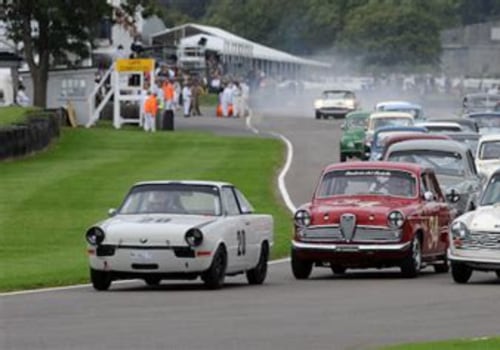
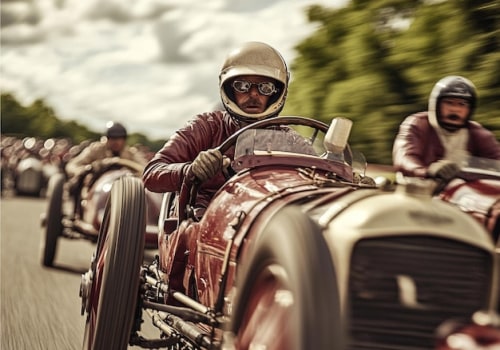
Vintage race car restoration involves preserving the history, appearance, and mechanical integrity of vehicles that once competed in motorsport events. These automobiles often feature unique engineering designs, specialized components, and delicate finishes that require careful attention. Restoring a classic racing vehicle involves more than repairing mechanical systems or replacing worn parts. Maintaining exterior cleanliness and protecting original materials are equally important for preserving authenticity. Professional car wash techniques can complement restoration efforts by removing contaminants, protecting sensitive surfaces, and helping owners maintain the vehicle's appearance without compromising its historical value.
Preserving Original Paint and Exterior Finishes
One of the most important considerations when restoring vintage race cars is protecting original paintwork. Older vehicles may feature aging finishes, hand-painted racing graphics, or specialized coatings that differ significantly from modern automotive paints.
Improper washing methods, harsh chemicals, and abrasive cleaning tools can damage these delicate surfaces. Professional cleaning techniques emphasize gentle washing, appropriate cleaning solutions, and careful drying procedures to minimize unnecessary wear.
Using soft microfiber materials and suitable automotive cleaning products helps remove dirt while reducing the possibility of scratches. Preservation-focused cleaning is particularly important when maintaining original finishes rather than applying complete paint replacements.
Removing Contaminants Without Damaging Components
Vintage race cars frequently accumulate grease, road grime, oil residue, and environmental contaminants around their exterior panels and mechanical assemblies. These substances can gradually affect appearance and make restoration inspections more difficult.
Professional cleaning services, including Gateway Express Car Wash, can complement routine exterior maintenance when their equipment and procedures are appropriate for the vehicle's age, condition, and construction. However, delicate vintage racing vehicles may require specialized handwashing instead of automated cleaning systems.
Restoration specialists should carefully evaluate vulnerable areas, including exposed electrical connections, aging rubber seals, custom body panels, and original decorative elements, before beginning any cleaning procedure.
Supporting Accurate Restoration Inspections
Thorough cleaning plays an important role in identifying areas requiring restoration work. Accumulated dirt and grease can conceal corrosion, damaged paint, deteriorating seals, and minor structural imperfections.
Once surfaces are cleaned, restoration professionals can more easily assess the condition of body panels, engine compartments, suspension components, and undercarriage assemblies.
This improved visibility allows technicians to distinguish between cosmetic concerns and mechanical problems. Documenting component conditions before and after cleaning also supports more accurate restoration planning and maintenance records.
Protecting Specialized Materials and Historical Details
Vintage race cars often contain materials that require different cleaning approaches, including polished aluminum, chrome trim, leather upholstery, and historic racing decals.
Applying unsuitable chemicals can discolor surfaces or damage irreplaceable components. Restoration professionals should select cleaning products specifically formulated for each material and test unfamiliar solutions on inconspicuous areas.
Protective treatments may help preserve certain surfaces, provided they are compatible with original materials and restoration objectives.
Maintaining Long-Term Restoration Results
Successful vintage race car restoration requires ongoing maintenance after the initial restoration process is completed. Regular cleaning helps prevent contaminant buildup while preserving the appearance of carefully restored components.
Owners should establish cleaning schedules based on vehicle usage, environmental exposure, and storage conditions. Indoor storage, breathable protective covers, and periodic inspections can provide additional protection.
Ultimately, appropriate professional cleaning techniques support vintage race car restoration by protecting delicate finishes, improving inspection accuracy, and preserving historical details. Combining specialized automotive care with thoughtful restoration practices helps enthusiasts maintain the authenticity, condition, and lasting appeal of these remarkable racing vehicles.