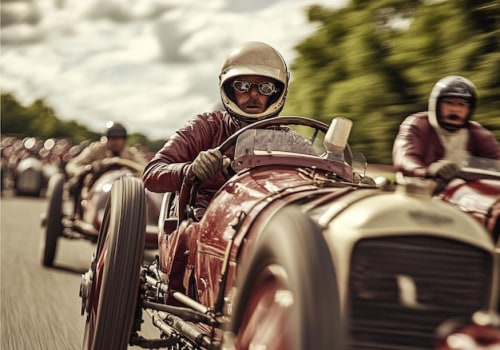
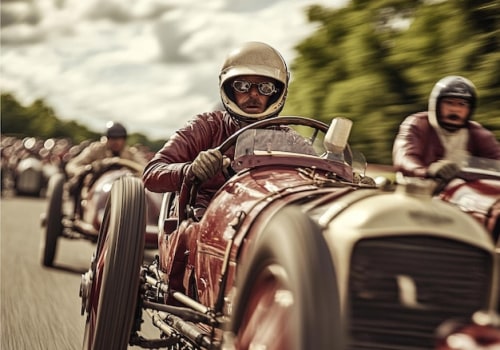
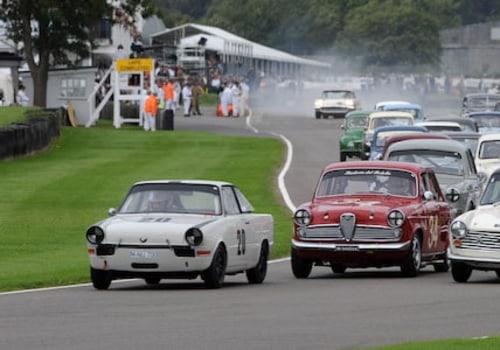
Vintage car racing is not just a thrilling spectacle of speed and nostalgia; it is also a domain where safety precautions play a crucial role in ensuring the well-being of drivers, crews, and spectators alike. As enthusiasts gather to celebrate the beauty and engineering of classic automobiles, the inherent risks associated with high-speed racing necessitate a comprehensive approach to safety. Understanding the unique challenges of vintage racing is essential for both participants and fans, as it highlights the measures taken to protect everyone involved. The charm of vintage car racing lies in its rich history and the passion that fuels it. However, the age of these vehicles often means they lack modern safety features found in contemporary race cars.
This reality has led to the implementation of specific vintage car racing safety protocols designed to mitigate risks while preserving the authenticity of these classic machines. From advanced driver training programs to stringent vehicle inspections, every aspect of safety is meticulously considered. As we delve deeper into the world of vintage car racing, it becomes evident that safety is not merely an afterthought but a fundamental component that enhances the overall experience. By prioritizing safety measures, organizers and participants can ensure that the thrill of racing does not come at the expense of well-being. In this article, we will explore various safety precautions taken in vintage racing, shedding light on how they contribute to a safer and more enjoyable environment for all.
Understanding Vintage Car Racing
Vintage car racing is a thrilling motorsport that celebrates the beauty and engineering of classic automobiles.This form of racing typically involves cars that are at least 30 years old, allowing enthusiasts to experience the nostalgia and craftsmanship of a bygone era. The roots of vintage car racing can be traced back to the early 20th century when automobile technology was rapidly evolving, and racing became a popular pastime for the wealthy.As the sport developed, various organizations emerged to promote and regulate vintage car racing events. These organizations often categorize cars based on their age, make, and model, leading to a diverse range of vehicles participating in races. Common types of vintage cars include:
- Pre-war cars: Vehicles manufactured before World War II, often characterized by their unique designs and engineering.
- Post-war classics: Cars produced from the late 1940s to the early 1960s, showcasing the transition in automotive technology.
- Sports cars: High-performance vehicles designed for speed and agility, popular among racing enthusiasts.
- Grand Prix cars: Iconic racing machines that competed in early Formula One events, known for their advanced engineering.
Events like the Mille Miglia in Italy and the Goodwood Revival in England have become legendary, drawing participants and spectators from around the globe. These races not only highlight the performance capabilities of vintage cars but also serve as a platform for preserving automotive heritage.Understanding the context of vintage car racing is essential for appreciating the safety measures implemented in this sport. As these classic vehicles often lack modern safety features, organizers have developed stringent regulations to ensure participant safety while maintaining the authenticity of the racing experience.
Key Safety Equipment for Drivers
In the world of vintage car racing, ensuring the safety of drivers is paramount. The unique challenges posed by older vehicles, combined with the high speeds and competitive nature of racing, necessitate the use of specialized safety equipment.Below are some essential components of driver safety gear that every vintage racer should utilize.
- Helmets: A high-quality helmet is the first line of defense for any driver. Vintage racing helmets are designed to meet modern safety standards while providing comfort and visibility. Look for helmets that are certified by organizations such as Snell or FIA, ensuring they can withstand impacts and protect against head injuries.
- Fire Suits: Fire-resistant suits are crucial in protecting drivers from flames in the event of a fire. These suits are typically made from materials like Nomex or Kevlar, which provide excellent heat resistance.
A well-fitted fire suit not only protects but also allows for ease of movement during races.
- Gloves: Racing gloves enhance grip on the steering wheel while providing protection from heat and abrasion. Look for gloves that offer a snug fit and are made from fire-resistant materials to ensure maximum safety and control.
- Harnesses: A proper harness system is essential for keeping drivers securely in their seats during high-speed maneuvers. Vintage cars often lack modern safety features, making a multi-point harness critical for preventing ejection during an accident. Ensure that the harness is properly installed and regularly inspected for wear and tear.
Investing in quality safety gear not only enhances performance but also reflects a commitment to personal safety in the thrilling realm of vintage car racing.
Vehicle Modifications for Safety
In the world of vintage car racing, ensuring the safety of drivers and vehicles is paramount. As these classic cars are often not equipped with modern safety features, several modifications are necessary to enhance their performance on the track.Roll Cages
One of the most critical safety modifications in vintage car racing is the installation of a roll cage. A roll cage is a framework of metal bars that provides structural support to the vehicle's chassis. In the event of a rollover or collision, a roll cage helps to protect the driver by maintaining the integrity of the passenger compartment.It is essential that these cages are designed and installed according to specific regulations to ensure maximum effectiveness.
Braking Systems
Another vital modification involves upgrading the braking system. Many vintage cars were originally equipped with drum brakes, which may not provide adequate stopping power for high-speed racing. Upgrading to disc brakes can significantly improve braking performance, allowing for shorter stopping distances and better control during races. Additionally, incorporating high-performance brake pads and fluid can further enhance safety.Safety Harnesses and Seats
To secure drivers in their seats during high-speed maneuvers, installing a multi-point safety harness is crucial.Unlike standard seat belts, these harnesses distribute forces across the body more effectively, reducing the risk of injury in an accident. Coupled with racing seats that provide better support and protection, these modifications are essential for driver safety.
Fire Suppression Systems
Given the risk of fire in racing environments, many vintage racers also opt to install fire suppression systems. These systems can quickly extinguish flames in case of an engine fire or fuel leak, providing an additional layer of safety for drivers.In conclusion, while vintage cars may evoke nostalgia and charm, their safety on the racetrack must be prioritized through various modifications. From roll cages to advanced braking systems, these enhancements are vital for ensuring that drivers can enjoy vintage car racing while minimizing risks.Track Safety Measures
In vintage car racing, ensuring the safety of drivers and spectators is paramount.Various track safety measures are implemented to create a secure racing environment. One of the primary considerations is the design of the racetrack. Tracks are often designed with wide turns and ample run-off areas to minimize the risk of collisions. These features allow drivers to regain control if they veer off course, reducing the likelihood of serious accidents.Another critical aspect of track safety is the installation of barriers.
Modern racetracks utilize a combination of tire walls, concrete barriers, and energy-absorbing systems to protect both drivers and spectators. Tire walls, for instance, can absorb impact energy effectively, while concrete barriers are strategically placed to prevent cars from crossing into spectator areas. The placement and type of barriers are carefully evaluated based on the track layout and expected speeds.The role of marshals is also vital in maintaining safety during vintage car racing events. Marshals are stationed at various points around the track to monitor the race and respond quickly to incidents.
They are trained to handle emergencies, such as accidents or mechanical failures, ensuring that drivers receive assistance promptly. Additionally, marshals play a crucial role in flagging situations that require immediate attention, such as oil spills or debris on the track.Furthermore, regular safety audits and inspections are conducted to ensure that all safety measures are up to date and effective. This includes evaluating track conditions, barrier integrity, and marshal readiness. By prioritizing these track safety measures, vintage car racing can continue to be an exhilarating yet safe sport for participants and fans alike.
Pre-Race Safety Protocols
Before the engines roar to life in vintage car racing, a series of meticulous pre-race inspections and safety protocols are implemented to ensure the well-being of both drivers and spectators.These protocols are essential in maintaining the integrity of the race and minimizing risks associated with high-speed competition.
Vehicle Inspections
- Mechanical Checks: Each vintage car undergoes a thorough mechanical inspection, focusing on critical components such as brakes, tires, steering, and suspension. This ensures that all parts are functioning optimally and can withstand the rigors of racing.
- Safety Equipment: Drivers must have appropriate safety gear, including helmets, fire-resistant suits, gloves, and shoes. The condition and compliance of this equipment are verified during inspections.
- Fluid Leaks: Inspectors check for any signs of fluid leaks that could pose hazards during the race. This includes oil, fuel, and coolant leaks that could lead to dangerous situations on the track.
Driver Briefings
Prior to the race, drivers participate in comprehensive briefings where they are informed about the specific rules of the event, track conditions, and emergency procedures.
These briefings emphasize:
- Track Layout: Understanding the layout helps drivers anticipate turns and potential hazards.
- Communication Protocols: Drivers learn how to communicate effectively with race officials and other participants during the event.
- Emergency Procedures: Knowledge of what to do in case of an accident or mechanical failure is crucial for ensuring safety on race day.
Race Day Protocols
On race day, additional protocols are in place to maintain safety throughout the event:
- Pit Lane Regulations: Strict rules govern activities in the pit lane to prevent accidents during refueling or repairs.
- Crowd Management: Barriers and designated viewing areas help keep spectators at a safe distance from the track.
- Medical Readiness: Medical teams are on standby, equipped to respond quickly to any incidents that may occur during the race.
Emergency Preparedness During Races
In the world of vintage car racing, safety is paramount, and emergency preparedness is a critical component of race organization. Each event is meticulously planned to ensure that both drivers and spectators are protected in the event of an incident.On-Site Medical Teams
- Every vintage car race features a dedicated team of medical professionals, including paramedics and doctors, who are trained specifically for motorsport emergencies.
- These teams are strategically positioned around the track to ensure rapid response times, often within minutes of an incident.
- Medical personnel are equipped with advanced life support equipment and are familiar with the unique injuries that can occur in racing scenarios.
Emergency Response Plans
- Race organizers develop comprehensive accident response plans that outline procedures for various emergency situations, from minor accidents to major collisions.
- These plans include clear communication protocols among race officials, medical teams, and emergency services to ensure a coordinated response.
- Regular drills and simulations are conducted prior to races to test the effectiveness of these plans and make necessary adjustments.
Communication Systems
- Effective communication is vital during a race. Organizers utilize two-way radios and other communication devices to keep all teams informed about track conditions and any incidents that may arise.
- This real-time information allows for quick decision-making, ensuring that safety measures can be implemented without delay.
The proactive measures taken by organizers demonstrate a commitment to ensuring that the thrill of racing does not come at the expense of safety.
Post-Race Safety Assessments
After the excitement of a vintage car race, the focus shifts to post-race safety assessments, which are crucial for ensuring both vehicle integrity and driver health. These assessments serve as a vital component of the overall safety protocol in vintage car racing, emphasizing that safety does not end when the checkered flag is waved.Post-Race Inspections of Vintage Cars
One of the primary aspects of post-race safety is the thorough inspection of each vehicle. This process typically includes:- Structural Integrity Checks: Inspecting the chassis and frame for any signs of damage or stress that may have occurred during the race.
- Engine and Mechanical Evaluations: Assessing the engine, transmission, and other mechanical components to ensure they are functioning correctly and have not sustained any damage.
- Tire Condition Analysis: Examining tires for wear and tear, as well as checking for any punctures or other issues that could affect performance in future races.
Assessing Damage After Races
In addition to mechanical inspections, assessing damage after races is essential for maintaining the historical value and performance of vintage cars. This involves:- Documenting Any Damage: Keeping detailed records of any repairs needed, which helps in preserving the car's history and ensuring it remains safe for future events.
- Restoration Planning: Developing a plan for restoring any damaged components to their original specifications, which is particularly important in vintage racing where authenticity is key.
Racer Health Checks Post-Race
The health of drivers is equally important in post-race assessments.Medical personnel typically conduct health checks that include:
- Vital Signs Monitoring: Checking heart rate, blood pressure, and other vital signs to ensure drivers are fit after the physical exertion of racing.
- Injury Assessments: Evaluating any potential injuries sustained during the race, even if they are not immediately apparent.
Common Safety Challenges in Vintage Car Racing
Vintage car racing presents a unique set of challenges when it comes to safety, primarily due to the age and design of the vehicles involved. Unlike modern race cars, vintage cars often lack the advanced safety features that have become standard in contemporary racing. This absence can lead to increased risks for drivers and spectators alike.One of the most significant risks in vintage racing is the structural integrity of older vehicles.Many vintage cars were not built with modern safety standards in mind, which can result in inadequate crash protection. Additionally, the materials used in these cars, such as thin metal and wood, may not withstand high-speed impacts as effectively as modern composites.
Overcoming Safety Issues
To address these challenges, organizers and participants in vintage car racing are implementing several strategies:- Retrofitting Safety Features: Many vintage racers are retrofitting their cars with modern safety equipment, such as roll cages, harnesses, and fire suppression systems. These upgrades can significantly enhance driver protection without compromising the car's historical integrity.
- Strict Regulations: Racing organizations are establishing stricter regulations regarding vehicle modifications and safety equipment. This ensures that all participating cars meet a minimum safety standard while still preserving their vintage character.
- Driver Training: Enhanced training programs for drivers focus on handling vintage cars under race conditions.
Understanding the unique handling characteristics of older vehicles can help drivers react more effectively in emergencies.
- Track Safety Measures: Vintage racing events are increasingly held at tracks that have been updated to include modern safety features, such as improved barriers and medical facilities. This helps mitigate risks associated with accidents during races.
'Frequently Asked Questions' About Vintage Car Racing Safety
When it comes to vintage car racing, safety is a paramount concern for both participants and organizers. Here are some frequently asked questions regarding safety precautions in this thrilling motorsport.What are the main safety measures in vintage car racing?
Vintage car racing events implement several key safety measures, including:- Helmet Requirements: All drivers must wear approved helmets that meet modern safety standards.
- Fire Suits: Drivers are required to wear fire-resistant suits to protect against flames in case of an accident.
- Roll Cages: Many vintage cars are retrofitted with roll cages to provide structural integrity and protect the driver during rollovers.
- Safety Harnesses: Modern 5-point harnesses are often installed to keep drivers securely in their seats.
- Medical Personnel: Events typically have medical teams on-site, ready to respond to any emergencies.
Are vintage cars safe to race?
While vintage cars may not have the same safety features as modern vehicles, many enthusiasts take significant steps to enhance their safety.This includes:
- Upgrading Braking Systems: Many racers upgrade their braking systems for better performance and control.
- Tire Quality: Using high-quality tires designed for racing can improve grip and reduce the risk of blowouts.
- Regular Inspections: Cars undergo thorough inspections before races to ensure they meet safety standards.
What should spectators know about safety at vintage car racing events?
Spectators also play a role in maintaining a safe environment. Here are some tips for those attending:- Stay Behind Barriers: Always remain behind designated barriers and fences for your protection.
- Follow Event Guidelines: Pay attention to announcements and follow any posted guidelines from event organizers.
- Avoid Restricted Areas: Do not enter areas marked as off-limits, as these may be hazardous zones.
'Conclusion: The Importance of Safety in Vintage Car Racing'
In conclusion, the importance of safety in vintage car racing cannot be overstated. As enthusiasts and participants in this thrilling sport, it is our responsibility to prioritize safety measures that protect not only the drivers but also the spectators and support teams involved. Throughout this article, we have explored various precautions taken in vintage car racing, highlighting their critical role in ensuring a secure racing environment.Key safety measures include:- Use of modern safety gear: Drivers are now required to wear helmets, fire-resistant suits, and gloves that meet contemporary safety standards.
- Vehicle modifications: Vintage cars are often retrofitted with roll cages, improved braking systems, and enhanced seat belts to provide better protection during races.
- Pre-race inspections: Thorough checks are conducted on each vehicle to ensure compliance with safety regulations, identifying potential hazards before they become a risk on the track.
- Emergency response plans: Organizers implement detailed emergency protocols, including medical teams on-site and clear evacuation routes for both drivers and spectators.
As we reflect on the thrilling nature of this sport, it is essential to remember that the excitement should never come at the cost of safety. By adhering to established guidelines and continuously improving safety standards, we can ensure that vintage car racing remains a cherished tradition for generations to come.In summary, maintaining high safety standards is vital for the longevity and enjoyment of vintage car racing. As we move forward, let us commit to fostering a culture of safety that honors both the history of these magnificent machines and the well-being of everyone involved.